
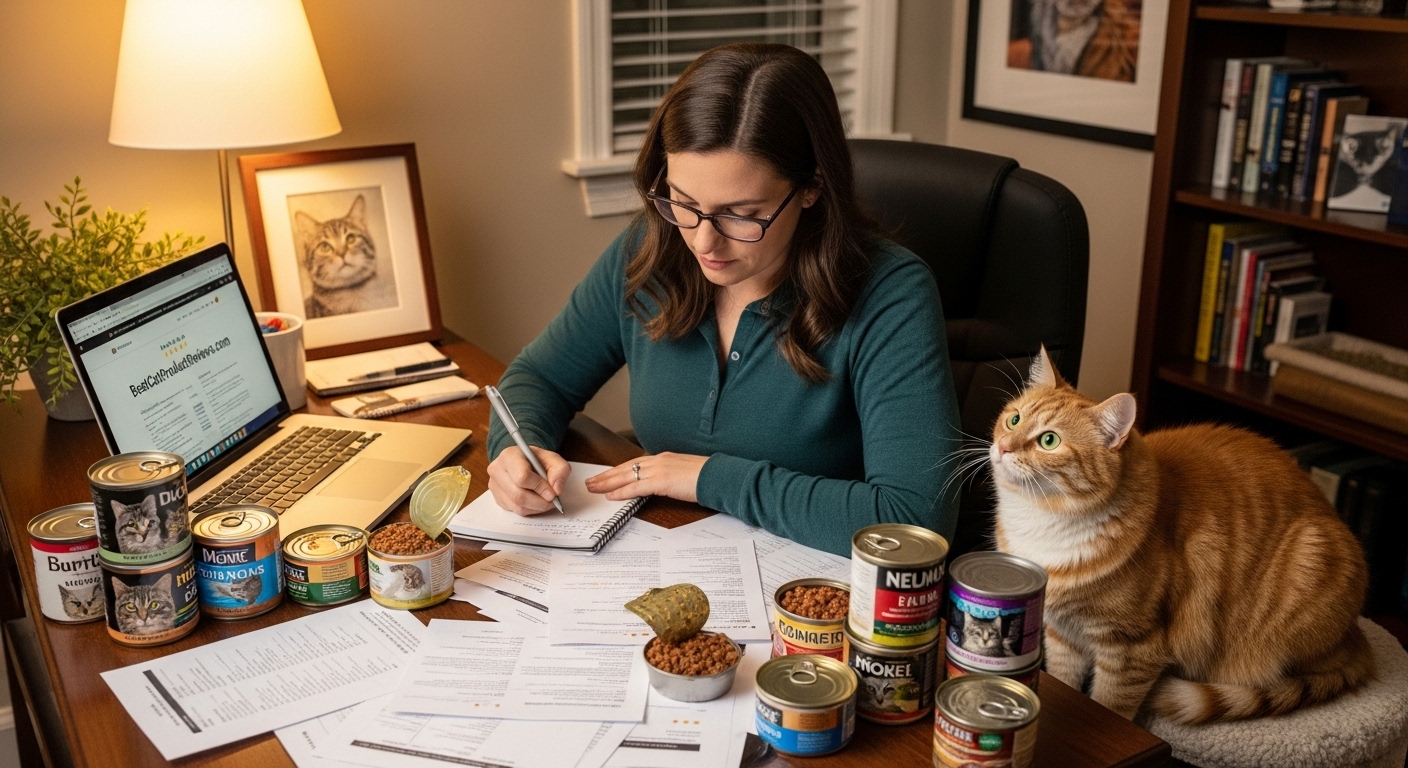

Indoor cats lead relaxed, protected lives, but their lower activity levels often leave pet parents wondering about correct meal portions. Figuring out how much wet food should i feed my indoor cat requires balancing daily energy burn with moisture-rich nutrition. Unlike active outdoor felines, indoor companions spend substantial hours resting, which makes measured feeding essential to prevent gradual weight gain. Evaluating labeled feeding directions alongside your companion’s body condition score helps you establish a reliable baseline.
Many caregivers turn to canned meals to provide necessary hydration while keeping carbohydrate intake under control. Quality canned recipes offer succulent shredded proteins suspended in savory broths, supporting urinary wellness and lean muscle maintenance. Finding dependable, affordable cat food options allows you to maintain consistent meal sizes without compromising on protein clarity or essential fatty acids. Establishing regular feeding routines keeps indoor felines satisfied while preventing the digestive upsets associated with erratic free-feeding habits.


Complete Guide to Wet Food Portions for Indoor Cats
Determining the precise amount of canned food for an indoor cat comes down to daily caloric expenditure, target body weight, and the energy concentration of your chosen recipe. Indoor environments naturally limit running and climbing opportunities, meaning most healthy adult felines require fewer calories per pound than their outdoor counterparts. Starting with manufacturer guidelines on three-ounce cans provides a reliable foundation, but personal adjustments ensure your pet maintains a healthy body shape.
Determining Daily Caloric Needs for Indoor Lifestyles
Indoor felines burn noticeably less energy throughout the day, spending prolonged stretches napping, grooming, and lounging on comfortable perches. A typical healthy indoor cat weighing between eight and ten pounds generally expends approximately one hundred eighty to two hundred twenty calories per day. Individual metabolic rates vary widely depending on age, neuter status, and daily play habits, making rigid feeding amounts inaccurate across different households. Spayed or neutered cats experience hormonal shifts that slow resting metabolism, requiring fewer calories to maintain stable mass.
Evaluating your companion’s physical frame through body condition scoring offers far more accuracy than relying strictly on bathroom scale numbers. You should be able to feel your cat’s ribs easily under a light layer of tissue without pressing firmly into the sides. An observable waistline should tuck neatly behind the ribcage when viewed from directly above the feline’s spine. If an indoor feline begins losing that distinct waistline or develops a heavy abdominal fat pad, trimming daily meal volumes by small increments helps restore an ideal physique.
Environmental enrichment also plays a subtle role in daily calorie burn for domestic felines. Cats that actively explore an indoor cat tree condo or chase wand toys expend more energy than sedentary felines resting in sunny windows all day. Daily climbing and stretching routines demand muscular effort, which slightly elevates baseline metabolic requirements over time. Observing your cat’s activity level over several weeks provides the necessary context to determine whether their daily wet food portion should lean toward the higher or lower end of recommended feeding ranges.
Deciphering Wet Food Can Sizes and Calorie Density
Canned feline diets arrive in various container sizes, with three-ounce cans standing as one of the most popular formats for adult cats. For instance, the I AND LOVE AND YOU Feed Meow Indoor Wet Cat Food line provides single-meal convenience in three-ounce servings, featuring moisture-rich shredded fish and poultry. Because wet formulas vary in water content and fat levels, two cans of the same physical volume can carry noticeably different caloric values. Checking the specific energy statement ensures you do not inadvertently underfeed or overfeed your pet when switching between flavor varieties.
Reading the nutritional statement on the label reveals the exact energy density, normally expressed in kilocalories per can or kilocalories per kilogram. A typical three-ounce can of adult maintenance wet food frequently ranges between sixty and eighty-five calories, depending on whether it emphasizes lean shredded meat or richer gravy gravies. When a recipe provides seventy calories per three-ounce can, a ten-pound indoor cat eating strictly wet food would usually consume approximately two and a half to three cans across a twenty-four-hour period. Splitting this volume across morning, afternoon, and evening meals keeps feline digestion comfortable throughout the day.
Manufacturer feeding charts printed on multipack packaging typically suggest daily ranges based on average adult weights. These guides frequently advise feeding roughly two to three three-ounce cans per six to eight pounds of body weight daily when fed as an exclusive diet. However, indoor cats usually fall at the lower boundary of those manufacturer suggestions because commercial label guides often assume moderate feline roaming activity. Starting at the conservative lower end of the feeding guide helps avoid unwanted weight gain during the initial weeks of feeding a new recipe.
Balancing Moisture Content and Protein Intake
One of the primary advantages of wet feline diets is natural hydration, which closely mimics the moisture content found in fresh prey. Cats possess a low physiological thirst drive, rarely visiting the water bowl until mild dehydration has already begun. Recipes such as I AND LOVE AND YOU Feed Meow Boost Wet Cat Food utilize savory broths to ensure felines take in abundant liquids with every mouthful, supporting bladder health and kidney function. Consuming adequate water through meals assists in flushing the urinary tract, which remains a frequent area of concern for indoor felines.
High moisture levels mean that wet food is less calorically dense by volume compared to dry kibble. A standard three-ounce can may contain upwards of eighty percent moisture, allowing cats to enjoy a satisfying, bulky meal without consuming excess carbohydrates. This substantial volume helps indoor cats feel physically full after eating, reducing the persistent begging behaviors that often plague owners using small portions of calorie-dense dry foods. Satisfied felines are far less likely to vocalize between scheduled meal times when their stomach contains moisture-rich meat shreds.
Focusing on high-quality animal protein sources also aids indoor weight management and muscle retention. When canned meals feature real meats such as cage-free chicken, wild-caught salmon, or tuna rather than starchy fillers like corn, wheat, or soy, cats utilize the amino acids effectively for lean tissue maintenance. Recipes formulated without filler grains prevent unnecessary blood sugar spikes, keeping feline energy steady throughout the day. Sustained energy levels encourage playful behavior, helping your indoor companion stay active rather than lethargic after eating.
Mixed Feeding Schedules Combining Wet and Dry Kibble
Many cat owners prefer a hybrid feeding approach, offering wet meals for hydration while leaving measured amounts of dry kibble for texture variety. Combining both food styles is completely viable, but caregivers must calculate fractional calories to avoid accidental overfeeding. Replacing an entire three-ounce can of wet food requires removing an equivalent number of dry kibble calories rather than relying on visual guesswork. Because dry kibble is compact and concentrated, even an extra tablespoon can contribute unwanted calories over time.
To calculate a mixed feeding ratio accurately, check the calorie disclosures on both product packages. If your cat requires two hundred calories daily, you might choose to provide one three-ounce wet can containing seventy-five calories in the morning and evening, leaving fifty calories worth of kibble for interactive puzzle feeders during the afternoon. Reviewing everyday cat food selections alongside wet pouches helps you match nutritional profiles so that both foods complement each other smoothly. Maintaining consistent caloric ratios prevents sudden spikes in daily energy consumption.
Avoiding free-choice kibble grazing is especially critical when wet food forms part of the daily routine. Leaving a full bowl of dry food out while also serving morning and evening wet cans almost always leads to excessive calorie intake in indoor cats. Instead, portion the exact daily kibble allowance into a measuring cup each morning, dispensing small portions throughout the day to keep daily consumption strictly controlled. Once the allocated measuring cup is empty, no additional crunchy treats or dry pellets should enter the feeding dish until the following day.
Portion Adjustments Across Different Adult Life Stages
Caloric requirements do not remain static throughout an indoor cat’s adult life. A young adult cat between one and three years old typically burns more calories through spontaneous sprints, interactive play, and curiosity than a mature feline approaching nine or ten years of age. Adapting canned food portions as an animal transitions from lively adolescence to calm maturity prevents the subtle creeping weight gain that often begins in middle age. Monitoring body shape every month ensures portions align with real-time metabolic shifts.
Senior indoor cats present unique nutritional considerations that require careful visual monitoring and portion refinement. While middle-aged cats often gain weight due to declining activity, senior felines over eleven years old sometimes lose lean muscle mass and struggle with nutrient absorption. When monitoring an older cat, owners may need to slightly increase daily wet portions or select higher-protein recipes with easily digestible shredded textures to sustain proper body mass. Gentle, easily chewable wet foods allow aging cats with dental sensitivity to consume adequate nutrition without discomfort.
Neutering and spaying also alter feline metabolic efficiency within days of surgery. Altered cats typically experience a twenty to thirty percent decrease in resting metabolic rate while simultaneously showing an increased appetite. Recognizing this metabolic shift early allows cat owners to establish restrained wet food portions right from adulthood, protecting the animal from early onset obesity. Adjusting the daily serving sizes immediately after alteration sets the stage for a healthy lifetime weight profile.
Practical Meal Frequency and Dish Management
Dividing your indoor cat’s daily wet food allowance into multiple smaller meals aligns closely with natural feline feeding behavior. In wild environments, small cats consume several small prey items across both day and night rather than gorging on a massive feast once daily. Splitting a daily allowance of two or three cans into two, three, or four separate meal times keeps energy levels balanced and reduces the likelihood of rapid gorging followed by regurgitation. Frequent small meals also satisfy predatory hunting instincts, keeping indoor cats mentally engaged throughout the day.
Handling canned cat food properly protects both feline digestive health and food palatability. Once opened, any remaining wet food inside a three-ounce can should be transferred to an airtight container or fitted with a tight silicone can lid before placing it in the refrigerator. Unfinished wet food left in an ambient room temperature feeding dish should generally be discarded after two to four hours to prevent bacterial growth and surface drying. Establishing a habit of cleaning feeding bowls between wet food meals prevents crusty residue from repelling sensitive feline noses.
Serving chilled wet food straight from the refrigerator often leads to rejection by finicky cats that rely heavily on scent. Feline taste buds are closely tied to food temperature, and aromas dissipate when meat is cold. Allowing a portioned dish to sit on the counter for ten to fifteen minutes or adding a small splash of warm water revives the savory aroma of shredded chicken or tuna broth, encouraging prompt consumption. Never microwave food in metal cans, and always check that warmed food is only lukewarm before placing it in front of your cat.
Recognizing Satiety Signals and Pacing Meals
Observing how your indoor cat interacts with their wet food portion provides valuable clues regarding satiety and digestive pace. Some indoor cats eat rapidly, finishing an entire three-ounce dish in seconds, while others prefer eating half their meal and returning later. Cats that consume meals too quickly often ingest excess air, which can trigger immediate stomach discomfort. Using wide, shallow ceramic dishes or specialized lick mats can slow down eager eaters, helping them register feelings of fullness before emptying the bowl.
Distinguishing genuine hunger from boredom or habitual begging remains a central hurdle for indoor cat caregivers. Indoor felines frequently meow near their food station because they desire interaction, play, or human attention rather than actual sustenance. Providing an engaging puzzle feeder, a scratching post session, or five minutes of interactive feather wand play often satisfies the cat without adding unnecessary calories. If your pet readily walks away from the bowl after interacting with you, the vocalization was likely social rather than nutritional.
Tracking weekly weight measurements on a baby scale removes emotional bias from your portioning decisions. Weighing your indoor feline at the same time each week under consistent conditions reveals subtle weight trends before they become obvious visual changes. A steady, unchanging number confirms that your current daily wet food volume matches your cat’s energy expenditure perfectly. If the scale reflects steady upward or downward movement over three consecutive weeks, minor portion adjustments of ten to fifteen percent will help stabilize their weight safely.
When to Seek Individualized Guidance from Your Veterinarian
While general portion formulas and manufacturer feeding guides offer an excellent baseline, individual health conditions always override standard guidelines. Unexplained weight fluctuations, persistent changes in thirst, or sudden shifts in appetite require a thorough professional examination. Conditions such as feline diabetes, hyperthyroidism, and renal insufficiency dramatically alter nutrient and moisture demands, requiring tailored dietary protocols. Attempting to manage clinical conditions through routine commercial portions alone can jeopardize your pet’s recovery.
Routine wellness exams provide the best opportunity to review your cat’s current body condition score and daily caloric targets. Your veterinary team can calculate exact resting energy requirements based on precise clinic scale measurements and personal health history. If your feline companion requires therapeutic support or supervised weight loss, working directly with a veterinarian ensures that portion reductions proceed safely without risking hepatic lipidosis. Professional oversight brings peace of mind and guarantees that your indoor companion receives optimal nutritional balance at every stage of life.
Managing how much wet food your indoor feline consumes each day comes down to attentive observation, accurate calorie awareness, and consistent feeding schedules. Providing moisture-rich shredded recipes in measured portions protects indoor cats from sedentary weight gain while nourishing their bodies with necessary hydration and animal protein. By pairing label feeding guidelines with regular physical checkups, you can confidently fine-tune daily meals to keep your indoor companion healthy, active, and satisfied throughout their indoor life.


Write Your Review
No reviews yet. Be the first to share your experience!