
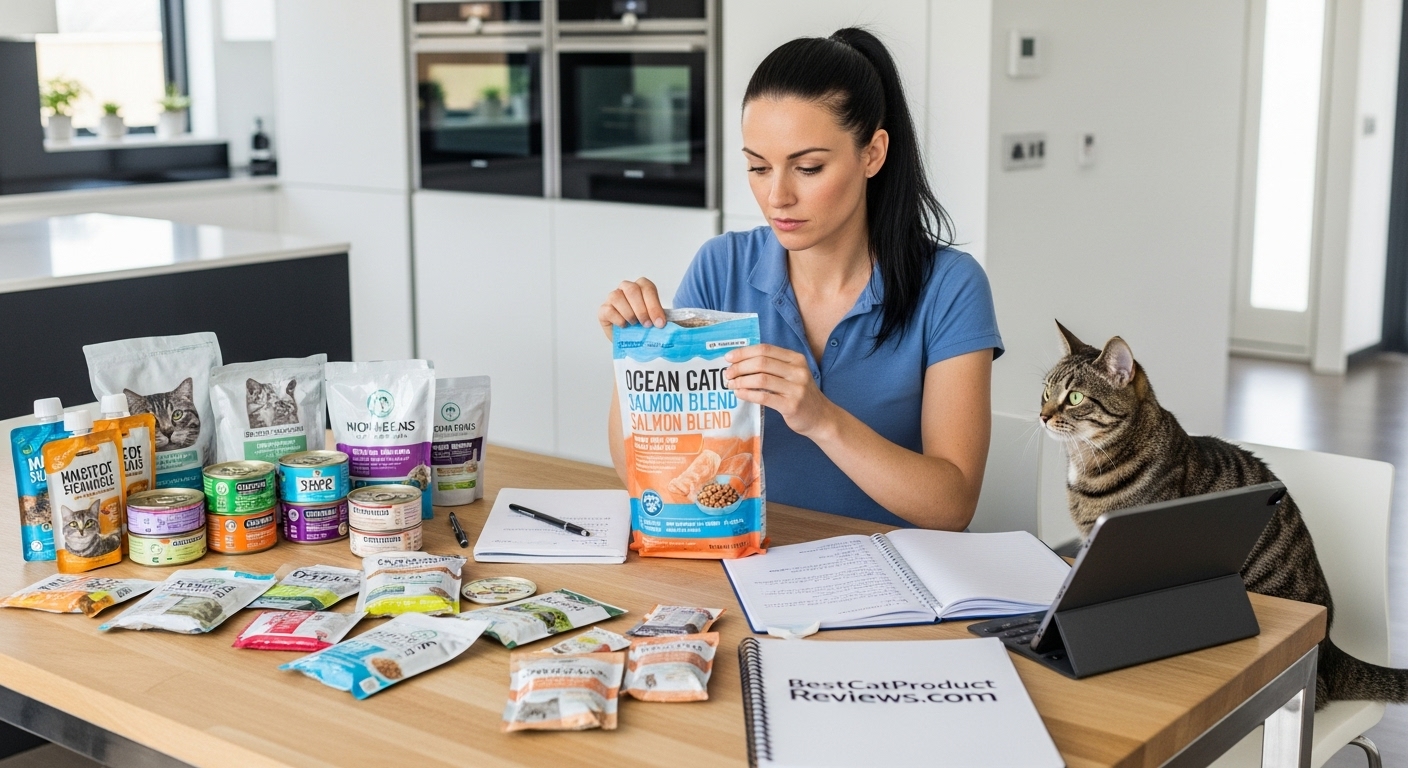

Adolescent kittens experience a rapid shift in their physical development around six months of age, bridging the gap between early infant vulnerability and young adult agility. Learning how much wet food for 6 month old cat helps ensure your pet receives adequate daily fuel without encouraging rapid, unhealthy weight gain during this critical window. Most young felines require food formulated specifically for growth or all life stages because their developing skeletal structure and lean muscle mass demand balanced amino acids and fatty acids. Reviewing the feeding guidelines on commercial kitten cans helps establish an initial caloric baseline that aligns with your companion’s natural play routine.
Different moisture-rich recipes deliver varying calorie concentrations, meaning a rich paté often supplies more energy per ounce than shredded meat swimming in light broth. Evaluating whether your chosen canned meals offer complete nutrition rather than serving as complementary toppers prevents unexpected nutrient deficiencies. When balancing daily meals alongside dry kibble or exploring everyday feline vitality food options, tracking weekly body condition scores provides the clearest signal for portion adjustments. Consistent feeding routines and attentive monitoring allow pet parents to support natural adolescent energy while maintaining optimal feline physical conditioning.

Pros
- Convenient single-serve trays prevent waste and keep food fresh.
- Complete and balanced nutrition specifically for kittens, with DHA and Vitamin E.
- Three protein-rich flavors appeal to picky eaters and provide dietary variety.
- Made without grains, corn, soy, by-products, or artificial flavors - clean ingredients.
- Portion control helps manage feeding amounts easily for new kitten owners.
Cons
- Price per serving is higher compared to larger cans or bulk wet food options.
- Individual plastic trays create more packaging waste than multi-serving cans.
- Pate texture may not appeal to kittens that prefer chunks or shreds.
Sheba Perfect Portions Kitten Wet Cat Food Pate is a wet food designed specifically for growing kittens. It comes in a 24-count pack of twin-pack trays, providing 48 servings total. Each tray contains two separate portions, which helps maintain freshness and eliminates messy leftovers. The variety pack includes chicken, salmon, and turkey entrees, all in a smooth pate texture that is easy for small mouths to chew and swallow.
This kitten food is best suited for new cat owners who want a convenient and nutritious option for their kitten. It is also a great choice for multi-cat households with kittens, as the portioned trays make feeding simple and consistent. The formula is complete and balanced for growth, with DHA to support brain development and Vitamin E for a healthy immune system. According to the product description, it contains no grains, corn, soy, by-products, or artificial flavors, which many cat owners appreciate for a clean diet.
In terms of real-world performance, the portion control is a standout feature. Each tray provides a pre-measured serving, so you don't have to guess how much to feed. This is especially helpful for busy kitten parents who want to ensure proper nutrition without overfeeding. The pate texture is soft and easy to eat, making it a good transition food for weaning kittens. User reviews indicate high palatability, with many kittens eagerly eating all three flavors. The added moisture in the wet food also helps keep kittens hydrated, which is beneficial for urinary tract health.
Build quality is solid - the trays are durable and easy to peel open. The food is made in the USA with ingredients sourced from around the world. Each tray is sealed to maintain freshness until opened. There is no need for refrigeration of unopened trays, but opened portions should be used immediately or refrigerated. The packaging is recyclable where facilities exist, though some users may prefer more eco-friendly options.
Cleaning and maintenance are minimal. Simply peel back the foil, serve, and discard the empty tray. There are no cans to rinse or leftovers to store. This makes daily feeding quick and tidy. However, the individual trays do generate more plastic waste than a single large can, which is a consideration for environmentally conscious buyers. Also, the price per serving is higher than buying larger cans or bulk wet food, so budget-conscious pet parents may find it less economical over time.
Overall, Sheba Perfect Portions Kitten Wet Cat Food Pate is a reliable choice for kitten owners who prioritize convenience, nutrition, and variety. It is particularly well-suited for new kitten parents who want to simplify feeding while ensuring their kitten gets essential nutrients for growth. While it may not be the most budget-friendly option, the portion control and high-quality ingredients make it a worthwhile investment for your kitten's health. If your kitten prefers pate textures and you value hassle-free meal times, this product is a strong recommendation.
Sheba Perfect Portions Kitten Wet Cat Food Pate is formulated to meet the nutritional needs of growing kittens. Each serving is complete and balanced according to AAFCO guidelines for growth. The recipe includes DHA from fish oil to support brain and vision development, as well as Vitamin E and taurine for heart and immune health. The food is grain-free and contains no corn, soy, or artificial additives, making it suitable for kittens with sensitive stomachs.
Feeding guidelines recommend 4-7 servings per day for kittens, depending on age and activity level. Each twin-pack tray provides two servings, so you can easily adjust portions. The pate texture is easy to digest and encourages hydration due to its high moisture content. The variety of chicken, salmon, and turkey flavors helps prevent mealtime boredom and can be rotated to keep your kitten interested.
For best results, serve at room temperature and discard any uneaten food after 30 minutes. Opened trays can be covered and refrigerated for up to 24 hours. Always provide fresh water alongside wet food. This product is not intended for adult cats, as their nutritional requirements differ.
This wet food is specifically designed for kittens, with a soft pate texture that is easy for small mouths to eat. It helps kittens transition from milk to solid food, providing essential nutrients for growth. The portioned trays make it easy to introduce new flavors without committing to a large can. Many kitten owners report that even picky eaters enjoy the chicken, salmon, and turkey varieties.
The food is gentle on developing digestive systems, with no grains or common allergens. The added moisture supports hydration, which is especially important for kittens who may not drink enough water. The convenient packaging also makes it ideal for travel or short trips, as you can pack individual servings without worrying about leftovers.
For new kitten parents, this product simplifies feeding and ensures your kitten gets a balanced diet. It is also a good option for fostering or caring for multiple kittens, as the portion control helps manage feeding schedules. Always consult your veterinarian for specific dietary recommendations for your kitten.

Pros
- High-protein formula with real meat first ingredient supports healthy growth and energy levels.
- Includes DHA for brain and eye development, crucial for kittens during their first year.
- Grain-free and free from artificial additives, appealing to health-conscious cat owners.
- Variety pack offers two flavors, helping to prevent food boredom and encouraging a balanced diet.
- Paté texture is smooth and easy for young kittens to consume, reducing mess during feeding.
Cons
- Some kittens may prefer chunkier or shredded textures over paté, so individual taste may vary.
- The 3-oz cans are small, requiring multiple cans per day for growing kittens, which may be less convenient for some owners.
- Price per can is higher compared to some other kitten food brands, which could be a concern for budget-conscious pet parents.
If you're a new kitten parent or an experienced cat owner looking to give your growing feline the best start, the Blue Buffalo Wilderness Kitten Food Variety Pack is a solid choice. This wet food is specifically designed for kittens, with a high-protein, grain-free formula that mirrors the natural diet of wild cats. The variety pack includes both chicken and salmon recipes, so you can offer your kitten some mealtime variety without compromising on nutrition.
For kitten owners, this food shines in its nutritional profile. The first ingredient is real chicken or salmon, providing essential amino acids for muscle development. DHA from fish oil supports brain and eye development, which is critical during the first year of life. The high moisture content also helps with hydration, especially for kittens who may not drink enough water on their own. This can be a big plus for preventing urinary issues later on.
In terms of real-world performance, many cat owners report that their kittens eagerly eat this paté-style food. The texture is smooth and easy to lap up, making it ideal for weaning kittens or those with sensitive mouths. The grain-free formula also reduces the risk of digestive upset, which is common in young cats. However, some kittens may prefer a chunkier texture, so it's worth trying a single can first if your cat is picky.
From a build quality perspective, Blue Buffalo is a trusted brand with a focus on natural ingredients. This food contains no chicken by-product meals, no corn, wheat, or soy, and no artificial preservatives. The cans are easy to open and store, and the 3-oz size is appropriate for kittens, though you may need to feed multiple cans per day depending on age and weight. The feeding directions are clear and adjustable based on your kitten's stage.
One realistic limitation is the price. This variety pack is on the higher end compared to some other kitten foods, but the quality of ingredients justifies the cost for many owners. Also, the paté texture may not be universally loved by all kittens, so be prepared to transition slowly if needed. Cleaning up is easy since the cans are small and the food doesn't leave much residue.
Overall, this Blue Buffalo Wilderness Kitten Food Variety Pack is a great investment for new cat owners, kitten parents, and anyone who wants to prioritize their kitten's health with a high-protein, grain-free diet. It's also a thoughtful gift for cat lovers who are raising a new kitten. While it may not be the most budget-friendly option, the nutritional benefits and convenience make it a top contender in the kitten food category.
This Blue Buffalo Wilderness Kitten Food is designed to meet the nutritional needs of growing kittens up to 1 year of age. The recommended feeding guidelines vary by age: up to 20 weeks, feed as much as your kitten will eat in 3-4 meals daily; from 21 to 30 weeks, feed about 1/2 can per pound of body weight per day; and from 31 to 52 weeks, feed about 1/4 can per pound per day. Always adjust based on your kitten's individual needs and consult your veterinarian for specific advice.
The paté format is easy to portion and mix with dry food if desired. The high moisture content (about 78%) helps maintain hydration, which is especially important for kittens who may not drink enough water. Each can is 3 ounces, and the variety pack includes three cans of chicken recipe and three of salmon recipe, giving you a balanced rotation of flavors.
Storage is simple: refrigerate any unused portion and use within a few days. The cans are BPA-free and recyclable, aligning with eco-conscious pet parents. This food is also free from artificial colors, flavors, and preservatives, making it a clean choice for your kitten's developing system.

Pros
- High-quality, natural ingredients with visible meat pieces.
- Great for picky eaters according to user reviews.
- Hydrating broth helps with moisture intake for cats that don't drink enough water.
- Simple, limited ingredient list reduces risk of food sensitivities.
- Variety pack adds excitement and prevents mealtime boredom.
Cons
- Small can size (2.47 oz) may require multiple cans per day for larger cats, increasing cost.
- Some customers report inconsistent broth-to-meat ratio between cans.
- Not a complete balanced diet on its own; should be used as a topper or supplement.
Reveal Natural Wet Canned Cat Food is a variety pack of limited ingredient, grain-free wet food in broth. It is designed for cat owners who prioritize simple, natural ingredients. This product works well for all life stages, from kittens to seniors, and is especially suitable for picky eaters or cats with food sensitivities.
According to user reviews, many cats eagerly accept this food, even fussy felines. The high moisture content from the broth helps support hydration, which is beneficial for urinary health. The real protein first ingredient supports muscle maintenance and overall vitality. The variety pack includes three flavors: Real Chicken Breast in Mousse, Real Tuna Fillet in Mousse, and Real Tuna Fillet with Crab in Mousse, ensuring mealtime variety.
The ingredients are limited and natural, with no artificial colors, flavors, or preservatives. The brand is B Corp certified, indicating a commitment to ethical and sustainable practices. Each can contains visible shredded meat and broth, providing a visually appealing and nutritious meal. The mousse texture is soft and easy to eat, making it suitable for senior cats or those with dental issues.
The cans are easy to pop open, though some users with arthritis may need a tool. The small 2.47 oz size is convenient for portion control but may require feeding multiple cans per day for larger cats. As a complementary food, it should be paired with a complete and balanced diet. The package includes 12 cans, offering a good trial for new customers.
This product is a great choice for cat owners who value ingredient transparency and natural nutrition. It is particularly recommended for those with picky eaters, multi-cat households, or cats with dietary restrictions. However, budget-conscious buyers should note the premium price point. For best results, serve at room temperature and ensure fresh water is always available.

Pros
- Four grain-free recipes offer variety and help prevent mealtime boredom for picky eaters
- Real meat, poultry, or fish is the first ingredient, ensuring high-quality protein for muscle maintenance
- Moisture-rich pate supports hydration, which is especially helpful for cats prone to urinary issues
- Natural formula with added vitamins, minerals, and nutrients provides complete and balanced nutrition for all life stages
- Convenient pull-top cans make feeding quick and easy, with no can opener needed
Cons
- Some cats may prefer chunkier textures over pate, so picky eaters might need an adjustment period
- The variety pack includes only four flavors, which may not suit cats with very specific taste preferences
- Pate texture can be messy to serve if not fully scooped out, and some cats may not finish the entire can in one sitting
If you are looking for a reliable, high-protein wet food that keeps your cat excited about mealtime while supporting overall health, the Purina ONE High Protein Grain Free Pate Variety Pack is a strong contender. This pack includes 24 three-ounce cans featuring four grain-free recipes: Turkey, Chicken, Ocean Whitefish, and Beef. Each recipe starts with real meat, poultry, or fish as the number one ingredient, ensuring your cat gets the quality protein she needs for strong muscles and energy. The pate texture is smooth and easy to eat, making it suitable for kittens, adults, and seniors alike.
This variety pack is especially well-suited for new cat owners who want a trusted, veterinarian-recommended brand, as well as for multi-cat households where different taste preferences need to be satisfied. The grain-free formula is a great option for cats with dietary sensitivities, and the moisture-rich pate helps support healthy hydration, which is particularly important for cats that don't drink enough water on their own. Many cat owners have reported improvements in their cat's coat condition, energy levels, and overall health after switching to this food, based on user feedback.
Each can is made with natural ingredients and contains no fillers, corn, wheat, or grains. The pate texture is smooth and easy to eat, making it suitable for kittens, adult cats, and seniors, including those with dental issues. The variety pack includes four flavors, which can help prevent mealtime boredom and encourage even picky eaters to finish their bowl. The pull-top cans are a practical convenience, eliminating the need for a can opener and making feeding quick and mess-free.
Purina ONE is a veterinarian-recommended brand, and this wet food is produced in U.S. facilities. The company emphasizes sustainable practices, including reduced water usage and renewable electricity. While the product is not organic, it is made with natural ingredients and contains no artificial flavors or preservatives. The feeding guidelines suggest one can per 3.5 pounds of body weight daily for an average adult cat, with adjustments for kittens and pregnant or nursing cats.
One realistic limitation is that some cats may prefer chunkier textures over pate, so an adjustment period might be needed for picky eaters. Additionally, the variety pack includes only four flavors, which may not be enough for cats with very specific preferences. However, for most cat owners, this pack offers a convenient way to provide dietary diversity and ensure their cat gets the hydration and nutrition she needs. The 24-can pack is a practical value for multi-cat households or for those who want to stock up without frequent reordering.
Overall, this Purina ONE variety pack is a solid choice for cat owners who prioritize high-quality ingredients, grain-free nutrition, and mealtime variety. It works well for kittens, adults, and seniors, and the moisture-rich formula supports urinary health and hydration. Whether you are a new cat owner looking for a trusted brand or an experienced pet parent seeking a convenient, balanced wet food option, this pack delivers on both nutrition and taste.

Pros
- Supports sensitive stomachs with prebiotics and fiber from pumpkin.
- Grain-free and filler-free formula aligns with many vet-recommended diets.
- Shredded texture in gravy is highly palatable for picky cats.
- Complete nutrition for kittens, adults, and seniors simplifies feeding for multi-cat homes.
- Convenient 3oz pouches reduce waste and keep food fresh.
Cons
- Some cats may prefer a different texture or flavor variety.
- Price per ounce might be higher than some larger cans or dry food.
- Pouches are single-use and not resealable, requiring proper disposal.
If you have a cat with a sensitive stomach or a picky eater who turns up their nose at typical wet food, the I and Love and You Feed Meow Tummy Wet Cat Food in Tuna and Pumpkin is worth a closer look. This product is a grain-free, shredded wet food packed in convenient 3-ounce pouches, designed to support digestion while delivering a taste that many cats find irresistible. The combination of wild-caught tuna and fiber-rich pumpkin, along with added prebiotics, aims to keep your cat's gut healthy and regular.
This cat food is best suited for a wide range of cat owners. New cat owners will appreciate the complete and balanced nutrition that meets AAFCO standards for all life stages, from kitten to senior. Multi-cat households can benefit from a single food that works for everyone, while those with cats prone to digestive issues may find the prebiotics and pumpkin particularly helpful. Budget-conscious pet parents will like the value of a 12-pack, and gift buyers looking for a practical, health-focused present for a cat lover will find this a thoughtful choice.
In terms of real-world performance, this food focuses on digestive health and hydration. The shredded texture in a savory gravy can encourage cats to eat and drink more, which is a plus for cats prone to urinary issues. Many cat owners report that their cats accept this food readily, even those who are usually finicky. The prebiotics help feed healthy gut bacteria, potentially reducing vomiting and hairballs. For senior cats or those with dental issues, the soft, shredded meat is easy to chew and swallow.
Build quality is solid: the pouches are easy to tear open and portion out, and the food is made without grains, rice, corn, or other fillers that can contribute to obesity and lethargy. The manufacturer, NatPets, emphasizes using wild-caught tuna and natural ingredients. While this is a wet food, it comes in a pate-style shred, which some cats may prefer over chunkier varieties. The product is made in the USA and follows AAFCO guidelines, giving pet parents peace of mind about nutritional completeness.
Ease of use is a highlight. Simply tear open a pouch and serve. No mixing or measuring required. The 3-ounce size is ideal for a single meal for an average adult cat, reducing leftovers and waste. Refrigerate any unused portion, but the pouch is not resealable, so you'll need a separate container. Daily feeding amounts are clearly listed on the package based on your cat's weight, making it straightforward for new owners.
Realistic limitations include the fact that some cats may not like the shredded texture if they prefer pate or chunks. Also, while the price is reasonable for a premium wet food, it may be a bit higher than some budget brands. However, for cats with sensitive stomachs or those who need extra hydration and fiber, this food offers real benefits. Overall, it's a reliable choice for any cat owner looking to support digestive health without sacrificing taste or nutrition.

Pros
- High-quality, real meat ingredients with no fillers or artificial preservatives.
- Excellent nutritional profile for kittens with DHA, taurine, and prebiotics.
- Variety of flavors keeps kittens interested and encourages eating.
- Soft, shred-like texture is easy for young kittens to eat.
- Positive feedback from many kitten owners about palatability and health benefits.
Cons
- Some kittens may not like all flavors, leading to uneven consumption.
- Price per can is higher than some budget kitten foods.
- A few reviewers reported digestive upset in sensitive kittens.
The Tiki Cat Baby Shreds Variety Pack is a premium wet kitten food designed specifically for kittens aged 8 weeks and older. This 12-can pack features four distinct recipes - Chicken & Salmon, Chicken/Tuna/Chicken Liver, Chicken/Duck/Duck Liver, and Chicken & Egg - providing a range of protein sources to keep mealtime exciting for growing felines. Each 2.4-ounce can delivers high protein and fat to support the energy needs of active kittens, along with DHA for brain and vision development, taurine for heart health, and prebiotics for gentle digestion.
This food is best suited for new kitten owners who prioritize high-quality nutrition, as well as experienced cat parents looking to give their kittens a strong start. The grain-free, non-GMO formula contains no artificial colors, flavors, or fillers, making it a clean choice for health-conscious households. Many reviewers note that even picky kittens eagerly devour the soft shreds in savory broth, which can be especially helpful for weaning or transitioning from milk replacer.
In terms of real-world performance, the food consistently receives praise for its palatability and digestibility. The variety pack helps prevent flavor fatigue, and the balanced calcium-phosphorus ratio supports proper bone growth. However, some kittens may have individual preferences - a few owners reported that their kitten refused certain flavors, and a small number of sensitive kittens experienced mild digestive upset, which can happen when introducing any new food. The texture is soft and easy for young mouths to manage, reducing the risk of choking.
Build quality is excellent: ingredients are sourced from trusted suppliers, and the cans are easy to open and portion out. The packaging is compact, making storage simple. For daily use, the small can size is convenient for single servings, and leftovers can be refrigerated. The variety pack's assortment encourages rotation, which can help maintain nutritional diversity. While the price per can is higher than many budget brands, many owners feel the ingredient quality justifies the cost for a growing kitten's critical first year.
One realistic limitation is that the distribution of flavors in the pack may not be exactly equal - some customers received more of one recipe than another, which could be frustrating if your kitten dislikes a particular flavor. Additionally, because this is a high-moisture wet food, it may require more frequent feeding compared to dry kibble, but the hydration benefit is significant for kidney and urinary tract health. Overall, for owners who want a nutritious, appetizing, and well-formulated kitten food, this variety pack is a strong choice. It is particularly recommended for households with one or more kittens, as the variety can cater to different tastes, and for those who value transparency in ingredients.
The Tiki Cat Baby Shreds Variety Pack is formulated to meet the nutritional levels established by the AAFCO Cat Food Nutrient Profiles for growth and reproduction. Each recipe features high-quality animal proteins as the first ingredient, providing essential amino acids for muscle development. The inclusion of DHA from fish oil supports cognitive and visual development during the critical early months.
Feeding guidelines suggest offering 2 to 3 cans per day for a kitten weighing around 2-4 pounds, adjusting based on activity level and body condition. Because this is a complete and balanced food, it can be served alone or mixed with dry kibble. The soft shreds and broth texture encourage hydration, which is especially important for kittens that may not drink enough water. The variety pack allows for easy rotation of protein sources, which can help prevent food sensitivities and keep mealtime interesting.
All recipes are grain-free, potato-free, and carrageenan-free, and they contain no artificial preservatives or by-products. The prebiotics (such as chicory root) help support a healthy gut microbiome, which is crucial for developing immune systems. For kittens with sensitive stomachs, it's advisable to transition gradually over 5-7 days by mixing increasing amounts of this food with the current diet. While the price point is higher than some commercial kitten foods, the nutritional density and ingredient quality often result in smaller portions needed per feeding, which can offset the cost over time.

Pros
- High-quality, grain-free ingredients with real meat and organ meats
- Smooth pate texture ideal for weaning and sensitive kitten stomachs
- Contains essential DHA and taurine for healthy development
- Variety pack offers flavor rotation to keep kittens interested
- Positive user feedback on digestibility and palatability
Cons
- Premium price point compared to some other kitten foods
- Some users note the formula now lists sunflower oil as a third ingredient, which may be harsh for very sensitive kittens
- Small 2.4 oz cans may require multiple cans per day for growing kittens, increasing cost
Bringing home a new kitten is an exciting time, and choosing the right food is one of the most important decisions you can make for their health and happiness. The Tiki Cat Baby Pate Wet Kitten Food Variety Pack is designed specifically for kittens 4 weeks and older, offering a smooth, grain-free pate that supports their rapid growth and development. This variety pack includes four recipes: Chicken & Chicken Liver, Chicken, Salmon & Chicken Liver, Chicken, Duck & Duck Liver, and Chicken, Tuna & Chicken Liver, giving your little one a range of flavors to explore.
This food is best suited for new kitten owners, those weaning kittens from milk, and experienced cat parents looking for a high-quality, protein-rich diet. The soft pate texture is easy on tiny mouths and helps ease the transition to solid food, which many reviewers found helpful for bottle-fed kittens. The inclusion of DHA and taurine supports healthy brain and nervous system development, while prebiotics aid digestion. Many cat owners report that their kittens love the taste and have no issues with digestion, making it a reliable choice for sensitive stomachs.
Based on product specifications and user feedback, the Tiki Cat Baby Pate delivers excellent nutrition with real meat and organ meats as primary ingredients. It is grain and potato free, with no carrageenan or artificial fillers, which many health-conscious owners appreciate. However, some users have noted that the formula now lists sunflower oil as the third ingredient, which may be a concern for kittens with very sensitive tummies. Mixing this food with other options or rotating it can help mitigate any potential issues.
In terms of build quality and practicality, each 2.4 oz can is easy to open and serve. The small size is convenient for portion control, but growing kittens may need multiple cans per day, which can add up in cost. The variety pack is a great way to introduce different proteins without committing to a single flavor. Storage is simple at room temperature, and unopened cans have a good shelf life.
Some realistic limitations include the premium price point compared to budget-friendly brands, and the small can size may require frequent reordering for multi-kitten households. A few reviewers mentioned that their kittens were not as enthusiastic about this food as others, but the majority report high acceptance rates. Overall, this is a high-quality kitten food that many owners swear by for its digestibility and nutritional completeness.
For new kitten parents, those with picky eaters, or anyone wanting a grain-free, protein-rich start for their furry friend, the Tiki Cat Baby Pate Variety Pack is a solid investment. It's also a thoughtful gift for new cat owners. While it may be pricier than some alternatives, the quality ingredients and positive feedback on kitten health and growth make it a worthwhile choice for those prioritizing nutrition.
Determining the Right Wet Food Portions for a Six-Month-Old Kitten
At six months of age, most adolescent kittens eat between two to four 3-ounce cans of wet food each day, translating roughly to 180 to 260 kilocalories depending on their exact weight and activity level. This transitional life stage represents a subtle plateau where metabolic demands remain significantly higher than adult maintenance requirements, yet slightly lower than the ravenous nursery stage. Because caloric density varies across recipes, matching portion volume to manufacturer caloric statements prevents underfeeding or unwanted adolescent obesity. Establishing a clear understanding of label guidelines, can dimensions, and individual growth rates allows caregivers to measure daily meals with confidence.
Caloric Requirements and Adolescent Growth Rates
Adolescent kittens undergo substantial internal maturation at six months even if their outward skeletal frame begins to resemble a fully formed adult cat. Their developing organs, expanding muscle tissues, and dense bone structure require approximately twice the daily caloric energy per pound of body weight compared to a mature adult cat. Active kittens that sprint across living rooms and climb scratching towers burn substantial energy, necessitating robust meal portions to maintain growth momentum. Conversely, felines with quieter temperaments or indoor lifestyles may require slightly moderated daily caloric totals to prevent early excess fat accumulation.
Calculating accurate daily portions starts with weighing your kitten regularly using a dependable digital scale or consulting veterinary weigh-in records. An average six-month-old kitten weighs between six and eight pounds, though large breeds and naturally petite cats can fall outside this standard bracket. Veterinary nutrition guidelines generally suggest offering approximately 30 to 40 calories per pound of body weight during this adolescent period. Multiplying your cat’s current body weight by this target caloric range creates an individualized baseline that guides daily can measurements.
Caregivers must remember that standard caloric formulas serve as starting estimates rather than rigid feeding rules. Every companion animal possesses a unique metabolic rate influenced by genetics, daily play habits, and environmental temperature. Observing how eagerly your kitten finishes each meal provides valuable insight into whether their current calorie allotment satisfies their natural hunger. Adjusting the total wet food volume upward or downward by small increments ensures your growing feline stays energized without feeling chronically deprived.
Can Dimensions, Pouch Sizes, and Label Feeding Directions
Commercial wet cat food arrives in an assortment of packaging formats that can easily confuse caregivers attempting to portion daily meals. Standard retail offerings frequently include 3-ounce cans, smaller 2.4-ounce cans, single-serve pouches, and snap-apart twin-pack plastic trays. For example, Sheba Perfect Portions Kitten Wet Cat Food Pate packages food into 2.6-ounce twin packs, allowing caregivers to serve half the container while keeping the remainder completely sealed. Examining the net weight listed on the exterior packaging ensures you know exactly how many ounces enter the food dish at each feeding.
Label directions printed on kitten cans typically express feeding guidance based on age brackets and body weight categories. Products like Blue Buffalo Wilderness Kitten Food often suggest feeding approximately one can per six to eight pounds of body weight per day for adult maintenance, but advise feeding up to twice that amount for growing kittens. Reading these label guidelines carefully helps owners understand that a six-month-old cat generally requires substantially more food than an adult cat of identical physical size. Disregarding the specific life-stage multiplier on the label often results in inadvertent underfeeding during essential developmental windows.
Because feeding instructions represent broad population averages, dividing the recommended total daily cans into consistent meals provides optimal digestive stability. Feeding three 3-ounce cans across morning, midday, and evening servings prevents the kitten’s small stomach from becoming uncomfortably distended. Tracking daily can usage on a simple feeding calendar eliminates confusion in busy households where multiple family members share pet care duties. Consistently opening fresh cans at scheduled intervals keeps meals appetizing and simplifies overall household feeding management.
Recipe Texture and Calorie Density: Paté Versus Shreds and Broth
The culinary texture of canned cat food directly dictates how many calories your kitten consumes per mouthful. Finely minced loaves and smooth paté recipes typically contain higher proportions of dietary fats and animal proteins packed tightly into each ounce. In contrast, shredded meats, flakes, and minced morsels suspended in savory gravy or light culinary broth inherently contain higher moisture percentages. As a result, an adolescent kitten may need to consume three cans of shreds to match the caloric intake supplied by two cans of dense paté.
Caregivers can observe these textural differences when comparing dedicated young cat recipes. A recipe like Tiki Cat Baby Pate Wet Cat Food for Kittens provides a smooth, concentrated blend of finely minced poultry and organ meats designed for small mouths and rapid nutrient absorption. Meanwhile, textured options such as Tiki Cat Baby, Shreds Variety Pack offer shredded muscle meats that encourage active chewing and provide appealing culinary variety. Selecting between paté and shredded textures often comes down to individual kitten preference, but owners must adjust serving volumes to account for moisture variations.
Checking the Guaranteed Analysis panel on the packaging allows you to identify the maximum moisture percentage listed for each recipe. Wet foods with moisture levels approaching 82 or 84 percent offer remarkable hydration benefits, but deliver fewer energy calories per ounce than formulas sitting near 78 percent moisture. If your adolescent kitten prefers lighter shredded recipes in gravy, plan to feed slightly larger physical portions throughout the day. Balancing texture preference with caloric awareness guarantees your pet enjoys mealtime while receiving the requisite fuel for continuous growth.
Complete Diets Versus Complementary Broths and Meal Toppers
One of the most frequent feeding mistakes pet parents make involves confusing complete-and-balanced meals with complementary food toppers. A complete-and-balanced commercial cat food contains all necessary vitamins, minerals, essential fatty acids, and amino acids required to sustain feline life without supplemental additions. Complementary wet foods, broths, and pure meat pouches, however, lack essential micronutrients such as calcium, phosphorus, and taurine. Feeding a complementary product as the sole dietary source can quickly lead to severe developmental deficiencies in a growing kitten.
Formulations such as Purina ONE High Protein, Grain Free Pate Wet Cat clearly state on their packaging that they deliver 100 percent complete and balanced nutrition for all life stages. This adequacy statement confirms the food meets established feline nutritional profiles, allowing it to function safely as your companion’s exclusive daily diet. Conversely, products like Reveal Natural Wet Canned Cat Food feature limited whole cuts of chicken breast or tuna fillet in hydrating broth and are designed for intermittent or supplemental feeding. Caregivers comparing affordable canned cat food options must inspect the nutritional adequacy statement before selecting a product as a primary daily meal.
If you choose to incorporate complementary broths or flaked meat toppers into your kitten’s routine, limit them to roughly ten percent of total daily calories. The remaining ninety percent of your pet’s daily nutritional intake must come from a certified complete-and-balanced growth or all-life-stages formula. Using complementary toppers as occasional rewards or hydration enhancers keeps meals engaging without compromising essential skeletal and organ development. Verifying label designations protects your pet from unintentional nutritional imbalances during their most vital developmental window.
Essential Nutrients for Adolescent Skeletal and Brain Development
Growing kittens require precise ratios of specific micronutrients and macronutrients that differ significantly from mature adult maintenance profiles. Formulations designed for kittens focus heavily on delivering elevated crude protein to construct lean muscle mass and structural ligaments. Essential fatty acids, particularly docosahexaenoic acid (DHA), play a fundamental role in fostering sharp neurological processing and optimal retinal health. Incorporating ingredients that naturally provide DHA ensures your six-month-old feline maintains acute cognitive capabilities and visual acuity as they interact with their environment.
Mineral balance represents another critical pillar of adolescent feline nutrition that directly influences long-term skeletal integrity. Calcium and phosphorus must exist in a tightly regulated ratio, typically between 1.1 to 1 and 1.4 to 1, to ensure proper bone calcification without stressing developing kidneys. Commercial kitten foods strictly balance these minerals, whereas unfortified plain meat mixtures create dangerous mineral distortions that weaken bone density. Taurine, an essential amino acid that felines cannot synthesize internally, must also be present in sufficient quantities to support heart muscle function and immune vitality.
Manufacturers often enrich adolescent diets with antioxidants such as vitamin E to strengthen the kitten’s maturing immune system against environmental pathogens. As maternal antibodies fade completely during early kittenhood, your pet’s body must produce its own robust immune defenses through balanced dietary support. Checking product descriptions for added vitamins and minerals ensures your selected wet food provides comprehensive nutritional scaffolding. Supporting your six-month-old companion with these essential building blocks establishes a durable physical foundation for adulthood.
Managing Digestive Transitions and Fiber Requirements
Adolescent kittens often display sensitive digestive systems when exposed to rapid changes in protein sources, textures, or recipe formulations. Introducing new canned flavors abruptly can disrupt delicate gut microbiomes, leading to loose stools, stomach cramps, or temporary food refusal. Gradual dietary transitions carried out over seven to ten days allow beneficial intestinal flora to adapt smoothly to new ingredients. Mixing small portions of a new wet food into your kitten’s familiar recipe ensures continuous digestive comfort and consistent nutrient absorption.
Certain wet recipes incorporate gentle dietary fibers and prebiotics specifically intended to promote regular bowel movements and optimal gut health. Formulas such as I and love and you Feed Meow Tummy Wet Cat Food utilize shredded tuna paired with pumpkin to supply natural fiber that aids gastrointestinal transit. When addressing persistent stool inconsistencies or investigating specialty feline diets, consulting your family veterinarian ensures underlying health issues receive appropriate clinical oversight. Gentle fiber sources can soothe sensitive stomachs without diminishing the overall caloric density required for adolescent growth.
Maintaining stable hydration through wet food also plays an integral role in supporting smooth digestive tract function and nutrient processing. Adequate moisture softens digested material within the intestines, minimizing the likelihood of occasional constipation during rapid growth spurts. Offering wet food recipes featuring clear broths or rich meat stocks guarantees your young cat absorbs beneficial fluids naturally alongside solid nourishment. Observing consistent, well-formed stool quality confirms that your current feeding strategy and portion sizes agree with your kitten’s internal physiology.
Establishing Daily Meal Schedules and Wet Food Storage Safety
Creating a structured daily feeding schedule proves far superior to irregular feeding habits for growing adolescent felines. Offering three to four measured meals spaced across morning, midday, and evening fits your kitten’s natural hunting and eating instincts. Smaller, frequent meals prevent digestive overloading and help maintain steady blood glucose levels throughout their energetic daily routines. Establishing routine feeding times also reinforces positive bonding between pets and caregivers while eliminating anxiety surrounding resource availability.
Food safety requires careful attention whenever handling and serving moist canned products to young companion animals. Wet cat food should never remain exposed at room temperature for longer than one to two hours, as warm meat quickly attracts airborne bacteria. Discarding uneaten portions after this window prevents gastrointestinal distress caused by bacterial proliferation in the feeding dish. Washing food bowls with hot water and pet-safe soap after every meal maintains proper feeding hygiene and keeps dining areas fresh.
Storing opened cans properly preserves flavor freshness, moisture retention, and vital micronutrient potency. Seal unused portions immediately using tight-fitting silicone can lids or transfer the remaining food into an airtight glass storage container before refrigeration. Most refrigerated wet food remains safe and palatable for twenty-four to forty-eight hours after opening. Warming chilled food slightly to room temperature before serving releases natural meat aromas that encourage eager consumption from picky adolescent eaters.
Combining Canned Meals with Dry Kibble: Mixed Feeding Guidelines
Many cat parents choose to feed a combination of wet canned food and crunchy dry kibble to merge the distinct advantages of both formats. Wet food supplies vital hydration and rich animal proteins, while dry kibble offers feeding convenience and crunch during daytime hours. However, feeding both types without adjusting individual portions frequently leads to accidental overfeeding and rapid weight gain. Successfully managing a mixed feeding plan requires balancing the caloric contribution of each food type within your kitten’s daily target.
To establish an accurate mixed feeding routine, determine the total daily calories your six-month-old companion requires based on their current body weight. Next, decide what proportion of their daily diet will originate from wet canned food versus crunchy dry kibble. For example, if you decide to supply half of their daily caloric needs through wet food, measure out fifty percent of their recommended daily can count. You must then calculate the remaining fifty percent of daily calories using the exact kilocalorie per cup rating printed on your dry kibble bag.
Dividing these components into separate meals prevents texture competition that might lead a kitten to ignore one food entirely. Serving wet food during distinct morning and evening meals while offering measured dry kibble in interactive puzzle toys keeps daily eating engaging. Always measure dry kibble using an accurate kitchen gram scale rather than an imprecise plastic cup to prevent portion creep. Tracking total daily consumption across both formats ensures your adolescent feline receives balanced nourishment without exceeding their energetic threshold.
Assessing Body Condition Score and Calibrating Portions
Relying exclusively on printed label charts without physically evaluating your growing kitten can result in unrecognized underfeeding or early excess weight gain. A hands-on body condition assessment provides the most reliable real-time indicator of whether your current wet food portions are appropriate. Gently run your fingertips across your kitten’s ribcage to assess the thin layer of subcutaneous tissue resting over the bones. You should easily feel the individual ribs beneath a light layer of muscle and fat without pressing deeply into their side.
Viewing your six-month-old feline from above should reveal an observable waistline narrowing slightly behind their ribcage before widening at the hips. When viewed from the side, a healthy kitten displays an upward abdominal tuck rather than a sagging, pendulous belly pouch. While young cats naturally possess a small, loose flap of skin known as the primordial pouch, it should feel soft and devoid of dense fat deposits. If your kitten’s ribs protrude noticeably without any fat covering, their daily wet food ration should be increased gradually.
Conversely, if you struggle to palpate your cat’s ribcage or notice their waistline disappearing, you may need to reduce daily wet food portions slightly. Make portion adjustments conservatively, altering daily can quantities by no more than ten to fifteen percent at a time over several consecutive days. Reassess your kitten’s body condition score every two weeks to observe how their physical frame responds to the revised caloric intake. Maintaining open communication with your family veterinarian ensures your portion calibration supports sustained vitality and healthy skeletal maturation.
Finding the exact daily wet food amount for a six-month-old kitten ultimately requires pairing manufacturer feeding guidelines with attentive, ongoing observation of your pet’s physical development. Monitoring daily activity levels, verifying complete-and-balanced label statements, and adjusting portions based on regular weigh-ins ensures your young feline receives tailored nutrition. Dividing daily rations into multiple fresh servings sustains consistent adolescent energy while encouraging healthy hydration habits that endure into adulthood. When questions arise regarding specific dietary adjustments or unique growth trajectories, your veterinarian remains your most trusted partner for personalized feline wellness advice.


Write Your Review
No reviews yet. Be the first to share your experience!