


Feline boredom often vanishes the moment a fresh herb enters the room, but watching your home garden fade into sickly shades of amber ruins that daily enrichment. Many indoor cat owners suddenly face Why Are My Catnip Leaves Turning Yellow after noticing their cat batting at droopy, discolored stems on the windowsill. Curious pets love rubbing against fragrant pots to trigger playful bursts of energy, yet soggy soil or poor drainage quickly chokes delicate root systems. Understanding what is catnip and what is it used for helps pet parents appreciate why keeping these aromatic plants vigorous matters so much for mental stimulation. Root stress, low sunlight, and overly enthusiastic feline nibbling all contribute to faded foliage that robs your pet of fresh garden treats.
Careful analysis of plant requirements and user feedback reveals that simple adjustments in moisture balance can revive tired herbs within days. A thriving potted plant provides sensory engagement, yet keeping a backup supply of dried leaves ensures your feline never misses out while living plants recover. Knowing how catnip makes cats feel highlights why maintaining consistent potency is essential for active indoor play sessions. Offering pre-cut herbs reduces direct paw wear on tender shoots while your live containers regain their rich emerald hue. Healthy soil aeration combined with smart play alternatives creates an ideal routine for both vibrant greenery and contented kitties.
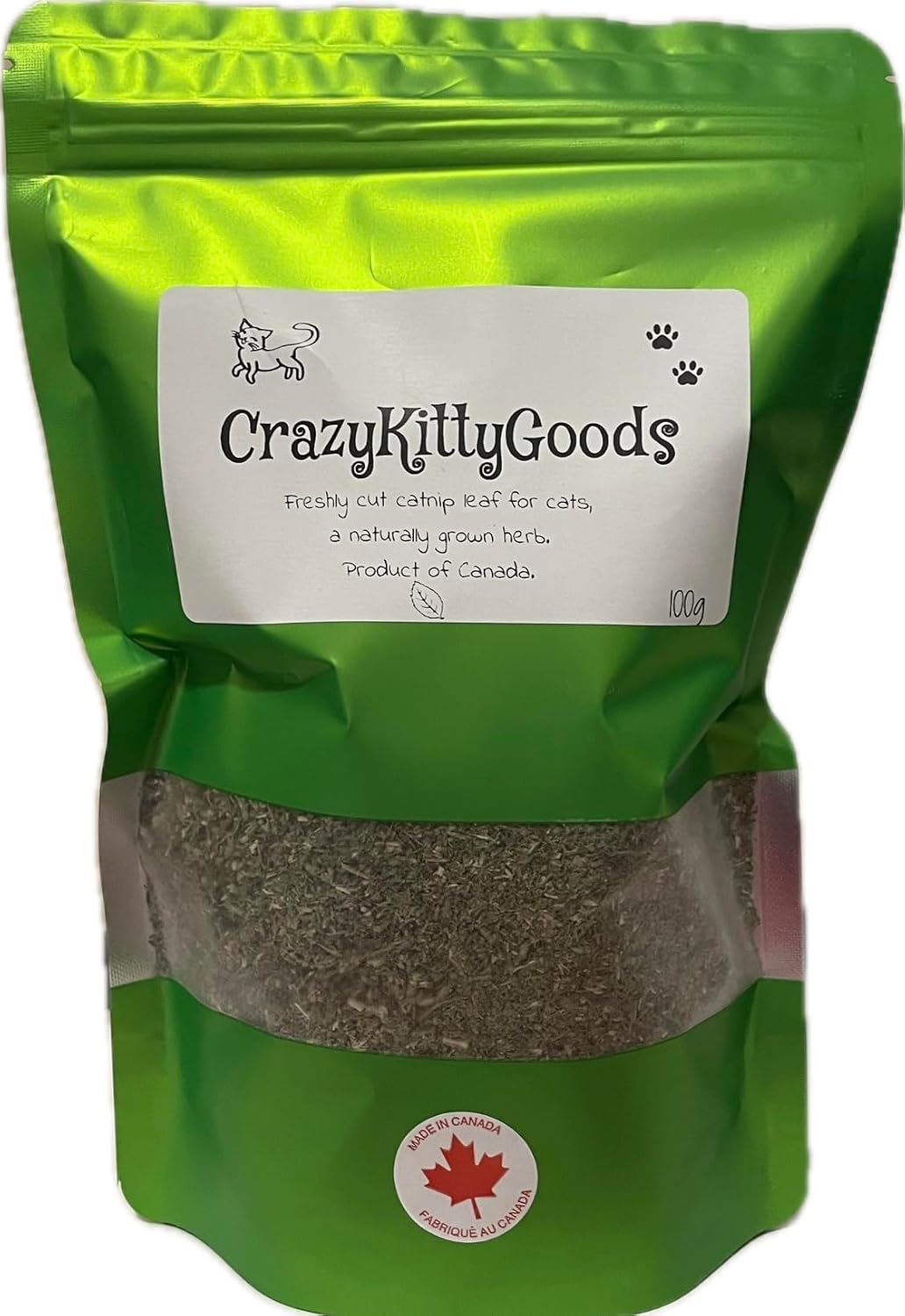
Pros
- Fresh, potent aroma that quickly attracts most cats and encourages active play.
- Large quantity at an affordable price point - excellent value for budget-conscious cat owners.
- Resealable bag maintains freshness between uses, reducing waste.
- Natural, single-ingredient product with no fillers or chemicals.
Cons
- Contains some hard, woody stems that may be sharp; some cats may need the leaves picked out or crushed.
- Strong scent may be overwhelming for some cats initially, requiring gradual introduction.
- Not all cats react to catnip; effectiveness varies by individual feline.
This catnip product is a straightforward, natural herb designed to stimulate your cat's play instincts. It consists of coarsely cut dried leaves from the Nepeta cataria plant, sold in a 100g (3.5oz) resealable bag. For cat owners looking to add enrichment to their indoor or outdoor cat's life, this is a classic, no-fuss option.
Best suited for both new and experienced cat parents, this catnip can work well in multi-cat households, apartment settings, and for budget-conscious shoppers. It's also a practical gift for cat lovers who want to keep their feline friends entertained. The resealable bag is a thoughtful touch, helping to preserve the herb's freshness and aroma between uses.
In terms of performance, the catnip's strong scent is a major draw. Based on user feedback, many cats become immediately playful, rolling, rubbing, and zooming around. The coarse cut means the leaves are larger and more textured, which some cats seem to enjoy. However, a few reviewers noted that the batch can contain hard, woody stems that could be a choking hazard or cause discomfort if ingested. While most cats are fine, owners of kittens or cats with sensitive mouths may want to inspect the product or crush it before offering.
Build quality is basic but effective: the bag is a simple resealable plastic pouch, which does the job. The catnip itself is natural and free from additives. For safety, it's a single-ingredient herb, but always supervise your cat's initial interaction. The product is not intended for consumption in large amounts, and as with any treat, moderation is key.
Setup and daily use are effortless: just open the bag, sprinkle a small amount on a toy, scratching post, or blanket, and watch your cat engage. Cleaning is unnecessary since the herb is used up or discarded. Storage is easy thanks to the resealable bag. The main limitation, as mentioned, is the presence of hard stems. Some users have reported picking them out or steeping the leaves for tea themselves. Also, about 50% of cats may not respond to catnip due to genetics, so results vary.
Overall, this catnip offers excellent value for the price, especially for multi-cat households or those who go through catnip quickly. It's a natural, effective way to encourage exercise and mental stimulation. If you're looking for a budget-friendly option to keep your cat happy and active, this product is a solid choice. Just be mindful of the stem content and introduce it gradually to see how your cat reacts.
Frequently Asked Questions
Can dried catnip provide the same enrichment if my live plant is dying in 2026?
Yes, coarse-cut dried catnip delivers concentrated nepetalactone oils that trigger the exact same playful behaviors as fresh leaves. Many pet parents rely on packaged dried herbs while diagnosing Why Are My Catnip Leaves Turning Yellow on their living windowsill plants. High quality dried leaves come sealed in airtight pouches to retain natural aroma and volatile oils. A small pinch sprinkled over scratchers or inside plush toys immediately engages bored felines without risking overwatered garden pots.
How much dried catnip should I offer to prevent digestive upset?
A single pinch measuring about one half teaspoon is ideal for most adult cats. Checking guidelines on how much dried catnip to give a cat ensures your pet enjoys stimulating play without loose stools or nausea. Cats typically sniff, roll, and play for ten to fifteen minutes before losing sensitivity to the herb. Storing the remaining coarse-cut blend in a sealed pouch keeps the natural scent potent for future enrichment sessions.
Does overwatering cause yellow leaves on catnip herbs?
Yes, waterlogged soil suffocates root systems and represents the primary cause of yellowing foliage on potted herbs. When roots lack oxygen, lower leaves pale and turn yellow before falling off the stem. Gardeners should allow the top inch of potting soil to dry out completely before watering again. Ensuring containers have drainage holes and loose soil prevents soggy roots and restores healthy green foliage.
Is coarse-cut catnip leaf safe for daily cat play?
Yes, 100 percent natural field-grown catnip leaf is completely non-toxic and feline-safe. Coarse cuts retain leaf texture without hard stems that could scratch sensitive gums or paws during playtime. Cats engage in lively scent rolling and kicking when this dried herb is rubbed onto cardboard scratchers. Rotating enrichment sessions two or three times weekly maintains feline interest and prevents behavioral habituation.
Why do older catnip leaves turn yellow naturally?
Natural plant aging causes lower, shaded leaves to lose chlorophyll as the herb redirects energy toward new top growth. When investigating Why Are My Catnip Leaves Turning Yellow, checking the location of pale foliage helps differentiate normal aging from moisture stress. Pruning away fading bottom foliage improves ventilation around lower stems and discourages indoor mold. Healthy green shoots will promptly replace pruned foliage when sunlight and watering routines remain consistent.




Write Your Review
No reviews yet. Be the first to share your experience!