

Managing Litter Scatter in Compact Living Spaces
Tracking loose pellets and clay across bathroom tile or tight apartment hallways creates constant daily frustration for pet parents. Confined quarters leave little room for oversized pans, yet crowded boxes can cause high-spraying cats to miss the pan entirely. Identifying the best small litter cat box setup requires balancing compact dimensions with smart litter containment and reliable odor control. A well-designed pan gives felines sufficient room to turn around while keeping stray granules from spreading onto living room rugs. Adding a protective cat litter catcher outside the entryway also helps capture stray material before paws track it into adjacent rooms.
Different materials and enclosure designs tackle everyday cleanup in distinct ways. Seamless options made from stainless steel resist persistent waste odors and surface scratching, while hooded plastic models retain privacy and capture high sprays. Matching pan size with compatible clumping clay, paper pellets, or tear-resistant liners prevents moisture from sticking to corners during routine maintenance. Whether you manage a lively kitten or a senior cat with stiff joints, selecting suitable dimensions keeps routine scooping quick and painless.



Frequently Asked Questions
How do stainless steel litter pans compare to standard plastic boxes?
Stainless steel pans feature non-porous surfaces that do not absorb lingering waste smells or scratch during vigorous digging. The manufacturer specifications for the Idymere Stainless Steel High Sided Cat Litter Box note that metal avoids residue buildup and dries rapidly after washing. In contrast, standard plastic models can harbor micro-scratches over time where bacteria and odors accumulate. Plastic pans, however, often provide lightweight handling and budget-friendly replacement.
Are high-sided litter pans effective for cats that kick litter?
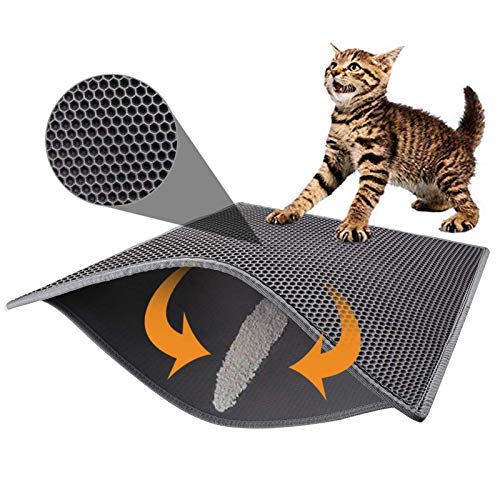
Yes, raised sidewalls physically block scatter and prevent high urine spray from escaping onto baseboards. Models like the Arm & Hammer Rimmed Open Cat Litter Box feature tall splash barriers measuring over ten inches to contain flying particles. Pairing these elevated walls with a cat litter catcher mat adds another layer of floor protection around the entry step. This combination helps keep compact utility closets and bathrooms tidy.
Can you use clumping clay litter in pellet-based systems?
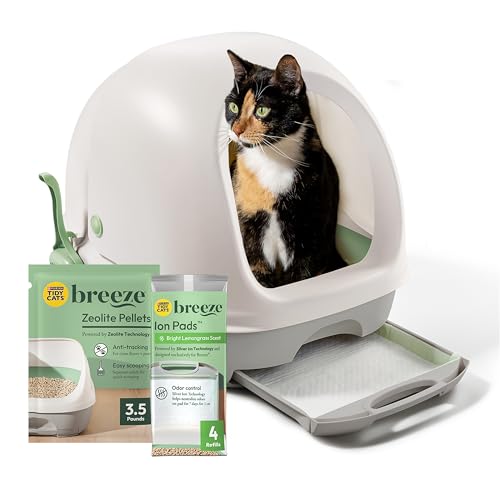
No, dedicated systems require specific non-clumping media to function properly. The Purina Tidy Cats Breeze Covered Cat Litter Box relies on specialized zeolite pellets that let liquid pass down to an absorbent pad below. Traditional clumping clay would clog the grated drainage tray and interfere with the moisture-locking pad. Always follow the listed manufacturer instructions regarding compatible media for hybrid systems.
How often should you change cat litter box liners?
Product directions recommend changing disposable liners during routine full-box turnovers or whenever soiled. The Fresh Step Drawstring Cat Litter Box Liners utilize heavy-duty plastic with drawstring closures to lift used litter out in a single motion. Digging cats may occasionally tear thinner film, so monitoring the pan bottom ensures the plastic remains intact. Using durable liners prevents stuck-on waste from adhering to the corners of your Best Small Litter Cat Box.
Do hooded litter boxes help with apartment odor control in 2026?
Yes, enclosed enclosures help contain airborne smells and litter dust within a confined interior. The Nature’s Miracle Hooded Flip Top Cat Litter Box incorporates a built-in charcoal filter to trap odors before they drift into living spaces. A flip-top lid also provides convenient access for daily scooping without detaching the entire hood. Some anxious cats, however, prefer open pans with clear sightlines, so individual feline temperament remains an important consideration.



Write Your Review
No reviews yet. Be the first to share your experience!