

Practical Litter Box Upgrades for Cleaner Living Spaces
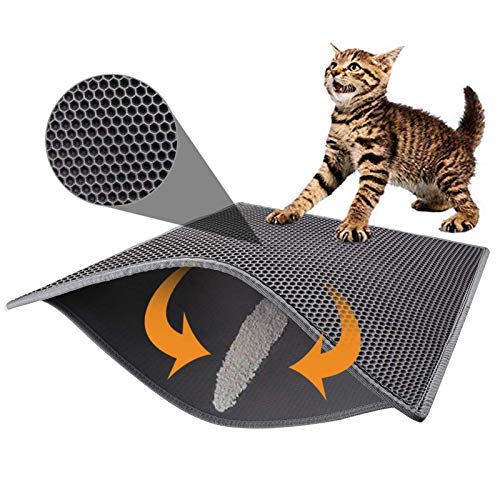
Litter scatter and stubborn odors create constant headaches for indoor cat owners. Standard plastic trays frequently absorb liquids, scratch easily during daily scooping, and trap strong smells over time. Selecting the best milorganite litter cat box setup helps eliminate lingering smells while keeping your living area tidy. Many modern designs utilize non-porous stainless steel or automated raking mechanisms to prevent waste from sticking to interior surfaces. Combining an enclosed or high-walled basin with a reliable cat litter catcher to minimize mess further limits stray granules around the room.
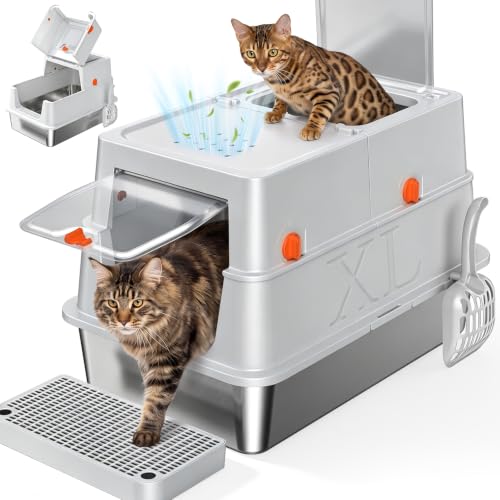
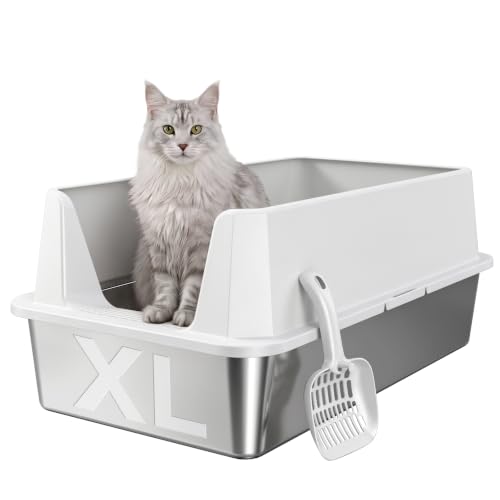
Basin construction also dictates how much effort you spend on daily maintenance. Stainless steel options from brands like Tevila and Idymere feature smooth surfaces that let clumps slide out effortlessly without harsh scraping. Meanwhile, open-top automatic models from otoging and Mimfam handle sifting cycles at quiet sound levels near 32dB, reducing manual chore time. For pet parents dealing with high sprayers or vigorous diggers, tall splash guards keep waste inside the pan where it belongs. Understanding these material benefits ensures you pick a configuration that suits your cat’s natural habits while preserving indoor hygiene.







Frequently Asked Questions
Why do stainless steel litter pans control odor better than traditional plastic boxes?
Stainless steel features a non-porous surface that does not absorb urine or harbor trapped bacteria. Traditional plastic scratches easily under cat claws, creating tiny grooves where residue and unpleasant odors accumulate. When evaluating the Best Milorganite Litter Cat Box in 2026, metal trays like those from Tevila and Idymere offer a smooth finish that allows wet clumps to slide out cleanly. This durable material resists corrosion and rust, keeping your home smelling fresh over years of daily use.
How do high-sided walls help with cats that kick litter or spray urine?
High sides block flying granules and contain elevated urine sprays directly inside the basin. Enclosures with overlapping walls, such as the Tevila XL models, seal tightly against the metal base to stop leaks from reaching the floor. Energetic diggers stay contained while turning freely inside the roomy tray. Placing a protective cat litter catcher outside the entryway captures any remaining bits from your cat’s paws.
Do self-cleaning litter boxes require Wi-Fi or smartphone apps to operate?
No, several self-cleaning models operate independently without requiring an app or internet connection. For instance, the otoging automatic litter box runs via a simple power button, eliminating downloads and complex pairing steps. Infrared and hall sensors detect when your cat enters and exits, pausing cycles safely until your pet leaves. These plug-and-play units provide automated scooping while keeping operation straightforward.
What litter types are compatible with sifting and automatic litter systems?
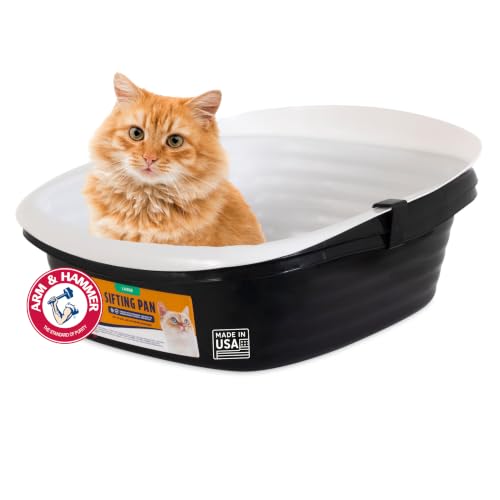
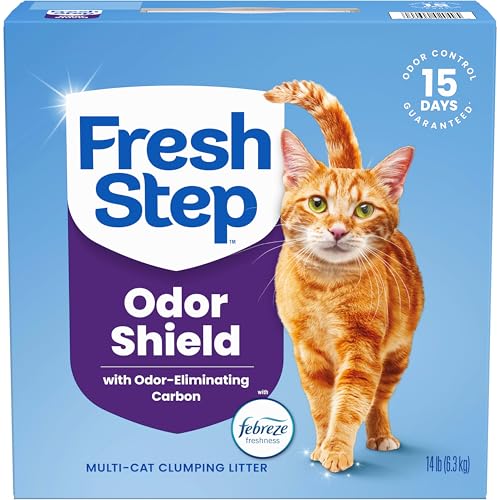
Compatibility depends entirely on the design of the specific tray or machine. The Arm & Hammer sifting box accommodates clumping clay, crystal, and wood pellets using its lift-to-sift mechanism. In contrast, the PetSafe ScoopFree Legacy relies strictly on low-tracking silica crystal trays that absorb moisture and dry solid waste. Adopting a structured routine alongside heavy-duty cat litter care practices helps maintain proper litter depth and sifting efficiency.
How often does an automatic waste compartment need to be emptied?
Emptying frequency varies by the number of cats and the waste bin capacity. Models such as the Mimfam AS11 feature a 10-liter container that can hold up to 10 days of waste for a single cat before needing disposal. In multi-cat households, pet owners will need to empty the bin more frequently, typically every few days. Removable waste drawers with disposable liners make this chore quick and hygienic.




Write Your Review
No reviews yet. Be the first to share your experience!