
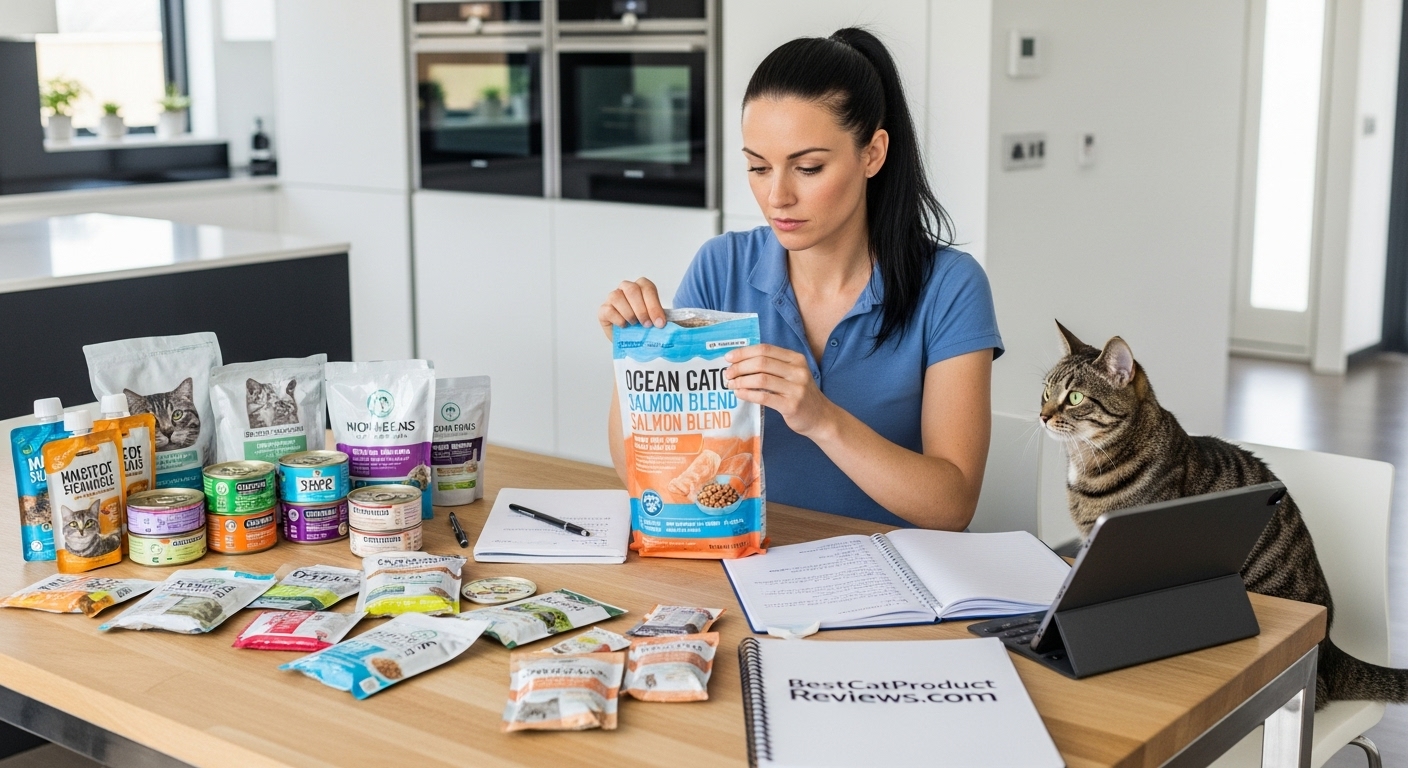

Managing Litter Scatter and Pan Hygiene
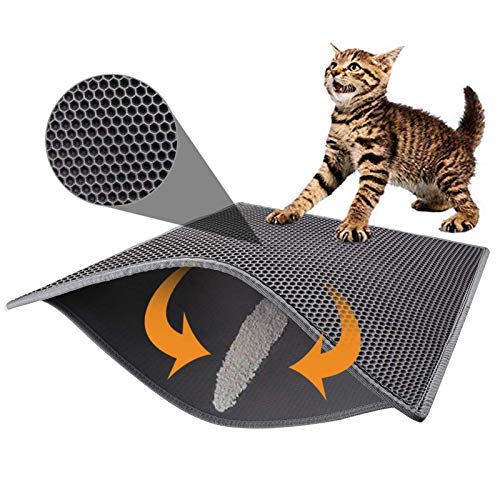
Tracking granules across floors and scraping sticky residue from pan corners make daily cleanup frustrating. Traditional plastic trays often absorb urine smells and develop surface scratches where bacteria linger over time. Upgrading your setup with the best maxicrop litter cat box style can simplify routine maintenance, especially when switching to non-porous stainless steel or modular high-sided basins. Many owners pair these pans with effective litter mats and catchers to trap stray particles right at the exit.
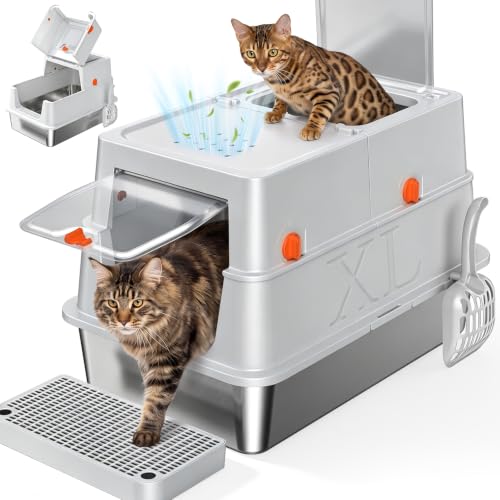
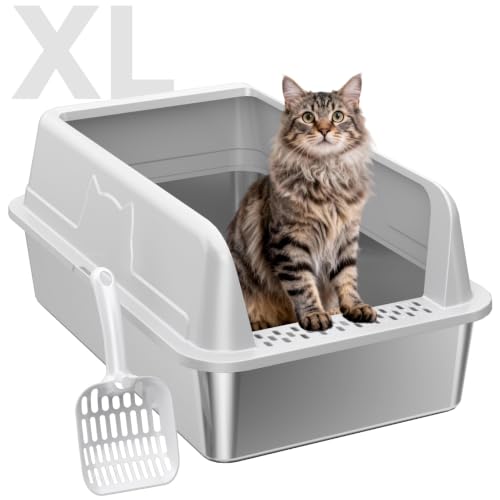
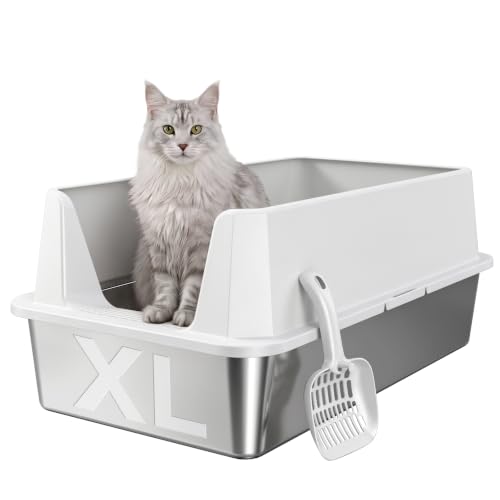
Manufacturers offer diverse containment styles, ranging from open-top pans with splash guards to fully covered enclosures. A durable metal base resists staining and avoids trapped odors, while high walls help contain messes from cats that kick vigorously or spray high. Checking spacious cat litter box setups helps ensure larger breeds have ample room to turn without scattering litter. Selecting proper pan dimensions and wall heights creates a cleaner, more hygienic bathroom space for your pets.






Frequently Asked Questions
Why do stainless steel litter boxes control odors better than plastic pans?
Stainless steel is non-porous and scratch-resistant, which stops liquid and waste from soaking into the material. Plastic pans easily develop tiny scratches from claws and scoops, creating spots where odors linger. Metal surfaces allow clumps to slide off smoothly during daily scooping, keeping the pan fresher over time.
What pan dimensions work best for large cats or Maine Coons?
A litter box should measure at least one and a half times your cat’s length. Extra-large options measuring over 22 inches in length provide sufficient room for bigger cats to turn and dig comfortably. Shallow or cramped pans often lead to litter scatter and accidental edge misses.
How do high-sided walls prevent urine leakage and litter scatter?
High-sided walls form a protective splash shield that blocks urine spray and redirects kicked litter back into the pan. Seamless overlapping enclosures stop liquids from leaking out onto household floors. Placing a litter catcher accessory by the entrance helps capture stray granules from your cat’s paws.
Can sifting litter boxes work with pine pellets and clumping clay?
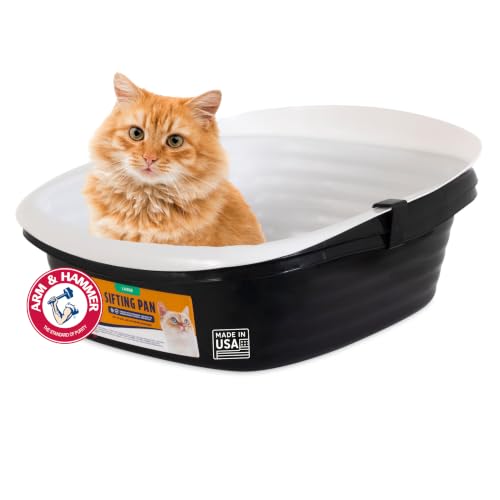
Yes, sifting boxes like the Arm and Hammer lift-to-sift model work with pine pellets, crystals, and traditional clumping litter. The sifting tray separates waste without needing a manual scoop. You simply lift the inner basket to let clean litter pass through into the base pan.
How often should you deep clean a metal cat litter box?
Most manufacturers suggest washing a stainless steel pan every two to four weeks. Because metal resists residue buildup, a simple rinse with warm water and mild dish soap cleans the surface completely. Using a mat to trap stray litter keeps surrounding areas neat between full washings.




Write Your Review
No reviews yet. Be the first to share your experience!