
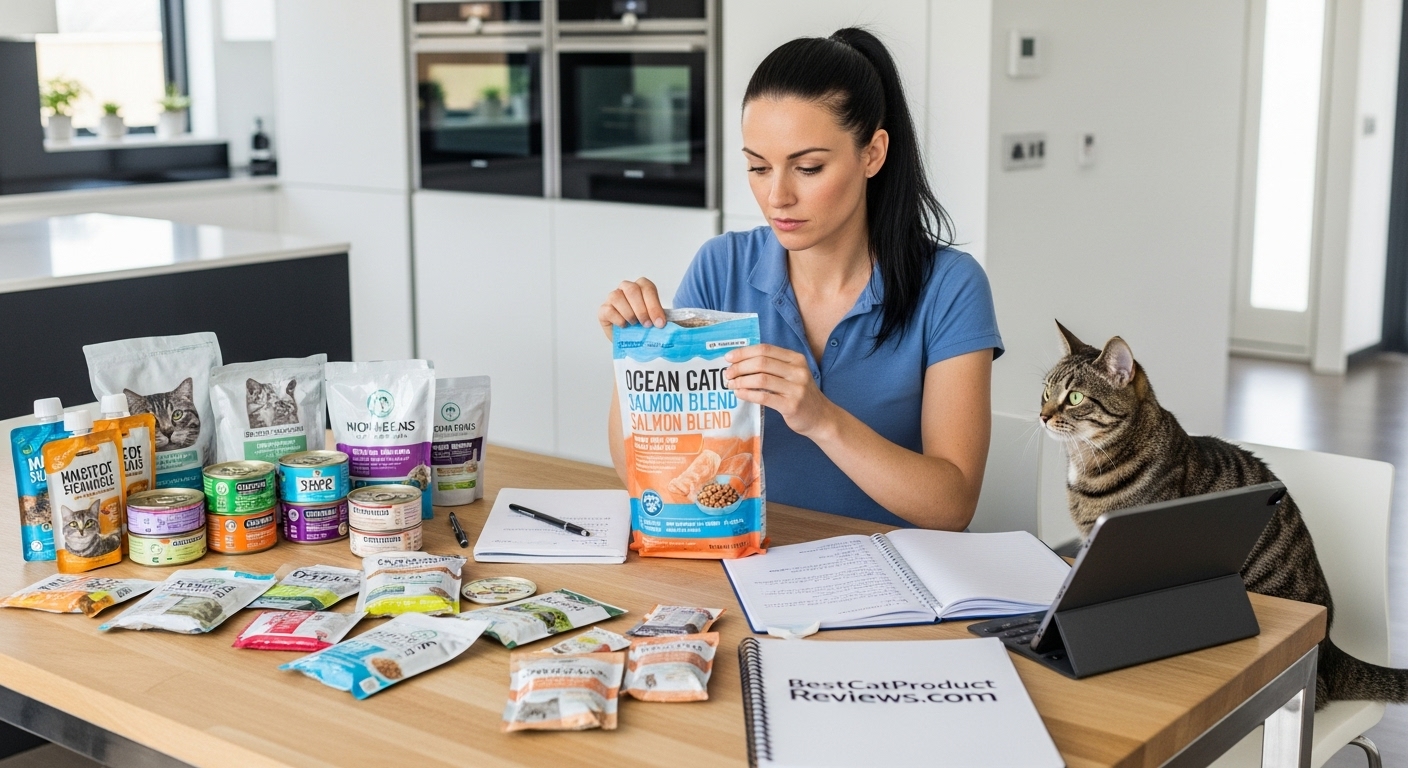

Figuring out the ideal feeding routine for a feline can quickly feel overwhelming when comparing varied pet food labels, feeding charts, and differing kibble shapes. Many pet parents struggle to pinpoint how much amount of cat food per day their indoor companion actually needs to thrive without packing on excess weight. Bag recommendations often display broad weight ranges that fail to account for a pet’s activity level, reproductive status, or indoor lifestyle. Looking closely at feeding guidelines alongside proven everyday feline nutrition options allows owners to establish a more tailored meal plan right from the start.
Establishing consistent meal portions protects cats from the widespread dangers of pet obesity, including joint strain and metabolic complications. Even small measuring inconsistencies with standard kitchen scoops can add dozens of surplus calories to a bowl each week. Cat owners looking to keep feeding routines predictable and economical can pair reliable portion control strategies with budget-friendly cat food selections to support balanced daily nourishment. By understanding how to calculate calories and measure meals accurately, you can maintain your feline’s optimal condition with total confidence.

A Practical Guide to Managing Daily Feline Feeding Portions
Calculating the correct daily food portion requires understanding your cat’s specific energy expenditure rather than simply filling a bowl. A typical ten-pound indoor adult cat generally requires between two hundred and two hundred and fifty calories daily. However, daily portions vary significantly based on whether you feed energy-dense dry kibble, moisture-rich canned food, or a combination of both. Taking control of daily portions prevents the stealthy weight gain that commonly affects indoor pets who spend most hours resting.
Understanding Caloric Density and Daily Energy Needs
Every commercial feline recipe features a specific calorie density that dictates how much volume belongs in the dish. Manufacturers list this measurement on packaging as kilocalories per kilogram, alongside a per-cup or per-can value. Two dry kibbles of equal weight can supply wildly differing caloric loads based on their crude fat and protein ratios. Feeding half a cup of energy-dense kitten food delivers far more calories than the same volume of indoor adult kibble. Checking the guaranteed analysis and calorie statement ensures you measure by energy rather than volume guesswork.
A cat’s daily caloric requirement depends heavily on metabolic rate, life stage, and physical activity. Neutered or spayed cats burn fewer calories because hormonal shifts lower overall resting energy requirements. Indoor cats who lounge on perches all afternoon burn far less energy than active cats exploring outdoor spaces. Setting a daily baseline begins with the manufacturer feeding chart, but you should treat those numbers as an initial estimate. Observing whether your cat maintains a lean silhouette indicates whether that daily caloric target requires slight adjustment.
Evaluating Moisture and Measuring Wet Versus Dry Meals
Dry kibble and canned wet foods deliver nutritional energy across completely different volume profiles. Traditional dry kibble usually contains around ten percent moisture, concentrating nutrients into compact, crunchy nuggets. In contrast, wet canned foods typically feature between seventy-five and eighty-two percent water content. This large difference in moisture means a cat must consume a visibly larger volume of wet food to absorb the calories found in a small scoop of kibble. Owners switching between formats often misjudge portion sizes because wet servings look much larger in the dish.
Combining wet food and kibble delivers beneficial hydration alongside texture variety, but it demands careful math. If an adult cat needs two hundred and twenty calories daily, feeding a full can alongside a standard cup of dry food causes severe overfeeding. You must divide the daily caloric allowance proportionally between morning wet food and evening dry servings. Consulting specialized cat nutrition guides helps clarify how alternating textures influence daily energy distribution. Calculating these portions accurately ensures your pet receives moisture benefits while keeping caloric intake within healthy boundaries.
Weighing food in grams provides far superior accuracy compared to standard plastic measuring cups. Volumetric scoops can introduce errors because kibble pieces pack irregularly depending on their specific size and shape. Scooping a heaping portion rather than a strictly level rim can inadvertently boost calorie intake by twenty percent each day. Digital kitchen scales eliminate this discrepancy by delivering consistent mass measurements regardless of kibble geometry. Taking a moment to calibrate portions by weight prevents gradual, unexplained weight gain across the year.
Adapting Portions Across Distinct Feline Life Stages
Kittens undergo rapid skeletal development and muscular growth, demanding intense caloric and nutrient density during their first year. Young kittens frequently require twice as many calories per pound of body weight as fully grown adults. Because their tiny stomachs cannot hold large single meals, kittens thrive when their daily allowance is divided across three to five smaller feedings. Feeding an authentic growth or all-life-stages formula ensures adequate levels of essential amino acids like taurine alongside controlled mineral ratios. Restricting calories during early kittenhood can stunt healthy bone development, making frequent, measured meals essential.
Adult cats between one and seven years of age require steady maintenance diets focused on weight control and muscle preservation. Once growth plates close and metabolic maturity settles in, excess calories convert rapidly into abdominal fat pads. Indoor lifestyle factors compound this risk, especially when cats lack interactive play or climbing space to burn energy. Maintaining fixed feeding times rather than leaving open food bowls keeps digestive rhythms predictable and prevents boredom-driven snacking. Monitoring adult weight on a monthly schedule allows caregivers to adjust daily kibble counts before subtle weight creep becomes noticeable obesity.
Senior felines often exhibit shifting metabolic needs that demand individualized dietary observation. Some geriatric cats experience digestive enzyme declines and dental sensitivity, causing them to absorb nutrients less efficiently and lose muscle condition. Other older cats become sedentary, burning minimal calories and requiring controlled lower-fat recipes to prevent joint stress. If an aging cat begins shedding weight unexpectedly, increasing daily feeding volumes or transitioning to softer, higher-calorie textures can help stabilize body mass. Regular physical checkups confirm whether shifting appetite stems from natural aging or underlying metabolic changes that warrant professional care.
Pitfalls of Free Feeding and the Value of Structured Schedules
Leaving an endless supply of dry food in a communal bowl remains a leading cause of feline weight trouble. While wild ancestors hunted small prey throughout the day, domestic housecats readily consume food out of stress, boredom, or sheer availability. Free-choice feeding also masks early warning signs of illness, as an owner cannot easily determine whether a cat skipped a meal. Stale kibble left exposed to room air also oxidizes over time, degrading delicate aromatic fats and reducing palatability. Transitioning to scheduled mealtimes establishes an unmistakable feeding rhythm that benefits both pet and caregiver.
Structured mealtimes offer physiological benefits by allowing the digestive tract to process and rest between feeding events. Cats naturally operate on a cycle of hunting, eating, grooming, and sleeping, which scheduled feeding mimics effectively. Offering two to four discrete meals per day encourages steady blood glucose levels and reduces begging behavior once the cat learns the routine. Scheduled feeding also makes it simple to integrate prescribed medications or supplemental meal toppers into an individual dish. Setting regular meal intervals transforms feeding into an intentional, monitored care routine.
Treats and functional snacks also count toward the total daily caloric cap and must not be treated as invisible extras. Crunchy dental treats, lickable puree tubes, and freeze-dried protein morsels all carry significant calorie counts despite their tiny size. General guidelines suggest keeping supplemental treats beneath ten percent of a cat’s total daily caloric allowance. If you plan to reward your cat with treats during training or grooming, you should deduct an equivalent caloric amount from their primary meal dish. Maintaining strict accounting for every edible morsel keeps overall dietary balance intact.
Utilizing Automated Feeders to Regulate Daily Quantities
Automatic pet food dispensers offer a reliable solution for pet owners managing busy schedules or demanding cats that wake them early. Programmable devices like the Ciays Automatic Cat Feeder, 5.6L, 4 Meals Per Day provide strict portion control without human error. This model allows caregivers to set up to four personalized meal schedules throughout the day, training pets to anticipate their feeder rather than pestering their owners. The unit dispenses food in precise portion increments of roughly five grams per portion, offering from one up to twenty portions per meal. Breaking a cat’s daily kibble allotment into small automated disbursements prevents gorging and vomiting while maintaining consistent portion control.
Proper kibble sizing represents a crucial mechanical consideration when relying on automatic dry food dispensers. The Ciays pet dry food dispenser is engineered specifically for dry kibble sizes between two millimeters and ten millimeters in diameter. Using larger specialty kibbles, irregular biscuits, or sticky air-dried chunks can cause dispensing chutes to jam, potentially leaving a pet without their scheduled meal. Inspecting the physical dimensions of your chosen dry recipe ensures smooth mechanical operation through the dispensing wheel. The feeder’s transparent food container also lets owners monitor remaining food levels visually without repeatedly opening the sealed lid.
Dependability and hygiene are equally vital when entrusting daily feeding portions to an automated device. The Ciays dispenser incorporates a dual power supply mode, pairing standard household electricity with a backup battery system that lasts up to forty-five days during power cuts. A built-in ten-second personalized voice call reminds pets when meals drop, helping timid animals feel secure while reinforcing routine. The feeder also features BPA-free construction and a dishwasher-safe stainless steel bowl, preventing bacterial buildup and feline chin acne. Utilizing well-designed feeding hardware eliminates portion guesswork while keeping daily distributions dependable and clean.
Managing Portions in Multi-Cat Households
Multi-cat homes face distinct challenges when attempting to enforce accurate individual daily food amounts. Dominant or food-obsessed cats frequently push timid companions away from bowls, consuming surplus calories while leaving other cats undernourished. Establishing physically separate feeding stations in different rooms or on elevated perches helps alleviate competitive mealtime stress. Spreading feeding areas across the home prevents resource guarding and ensures slower eaters can consume their measured rations in peace. Taking time to supervise meals guarantees that each pet receives their designated portion without opportunistic food theft.
Different cats within the same home often require distinct formulas based on age, weight goals, or medical background. One companion might need a reduced-calorie formula for weight management, while a younger cat requires an active adult blend. Selecting balanced feline meal choices that satisfy household nutritional goals makes logistics smoother, but individual bowls must still be monitored. Microchip-activated feeders or structured fifteen-minute timed feeding windows can prevent pets from swapping dishes. Enforcing strict individual dining boundaries ensures specialized dietary benefits reach the intended cat.
Recognizing Signs of Overfeeding and Underfeeding
Monitoring your cat’s physical silhouette is the most practical way to verify whether your daily food portions are accurate. Veterinary professionals utilize a nine-point Body Condition Score chart to evaluate fat coverage over the ribs, spine, and waistline. An ideally proportioned cat should display an easily felt ribcage beneath a light fat layer, alongside an observable waistline behind the ribs when viewed from above. If you cannot feel the ribs without pressing firmly, or if the abdominal fat pad sways prominently during walking, daily portions are likely too generous. Conversely, easily visible vertebrae and sunken flanks indicate the daily food volume needs a modest increase.
Behavioral signals and physical coat quality can also reflect dietary adequacy over extended periods. An underfed cat may exhibit relentless scavenging, vocal begging, lethargy, or a dull coat caused by insufficient fatty acid intake. On the other hand, chronically overfed felines often experience reduced grooming mobility, leading to unkempt fur and dandruff along the lower back. Stool consistency provides another reliable indicator, as overfeeding frequently produces loose bowel movements because the digestive system is overwhelmed with excess nutrients. Adjusting daily rations by five to ten percent and observing physical changes over two weeks helps you dial in the ideal intake.
Safe Transition Protocols and Veterinary Guidelines
Adjusting daily food amounts or changing food brands requires a slow, measured transition to safeguard gastrointestinal health. Abrupt shifts in protein sources or fat levels disrupt sensitive feline gut flora, resulting in vomiting, diarrhea, or acute food refusal. A standard transition involves blending twenty-five percent new food with seventy-five percent old food for several days, gradually shifting the proportion over a seven to ten day window. If your cat shows reluctance or digestive distress, slowing the transition allows the gastrointestinal tract adequate time to acclimate. Patience during recipe updates prevents food aversion and protects delicate stomach lining.
Dramatic changes in appetite or rapid weight shifts always warrant a professional veterinary evaluation rather than home calorie experimentation. Rapid weight loss in overweight cats carries the severe risk of hepatic lipidosis, a life-threatening liver condition triggered by sudden fat mobilization. If your cat refuses to eat for more than twenty-four to forty-eight hours, seek prompt medical attention rather than waiting for appetite to return naturally. Veterinarians can rule out underlying metabolic concerns like thyroid disorders, kidney issues, or diabetes before designing a tailored therapeutic feeding plan. Partnering with a veterinary professional ensures weight goals and daily feeding plans prioritize your cat’s safety.
Practical Takeaways for Long-Term Feeding Success
Mastering daily feeding amounts comes down to consistency, precision measuring, and active observation of your pet’s physical condition. Swapping arbitrary kitchen scoops for gram scales or automated dispensers like the Ciays unit eliminates the human inaccuracies that drive unwanted weight gain. Always check product-specific calorie densities and adjust base feeding guidelines to match your cat’s age, sterilization status, and daily movement. When you take the guesswork out of daily portions, you protect your feline companion’s vitality, joint health, and overall longevity for years to come.


Write Your Review
No reviews yet. Be the first to share your experience!