


Managing a cat’s urinary health often leads pet owners to navigate complex nutrition labels and conflicting advice. When owners notice increased drinking, frequent litter box visits, or changes in urination, distinguishing between bladder complications and renal decline becomes critical. Many caregivers wonder is urinary tract cat food good for kidney disease, hoping an everyday formula might protect both organs simultaneously. However, urinary tract formulas and renal support diets target entirely distinct physiological challenges within the feline body.
While both conditions involve the broader renal system, over-the-counter urinary formulas are specifically balanced for lower tract issues like bladder crystals. In contrast, chronic kidney disease requires strict management of mineral waste, phosphorus retention, and blood acidity. Cat owners looking through general feline nutrition choices, such as an all-life-stages cat food options reference, often find that adult maintenance recipes behave very differently from therapeutic clinical diets. Understanding how these recipes function ensures your cat receives appropriate daily nourishment without inadvertently stressing compromised kidneys.
Pros
- Affordable price point for quality, veterinarian-recommended nutrition
- Helps maintain urinary health in adult cats, reducing risk of common issues
- High customer satisfaction with 4.8-star rating from thousands of reviews
- Easy transition instructions provided to avoid digestive upset
- Available in multiple bag sizes to fit different household needs
Cons
- Some cats may be picky about dry kibble and prefer wet food
- 7 lb bag may require more frequent repurchasing for multi-cat households
- Contains grains, not suitable for cats on a strict grain-free diet
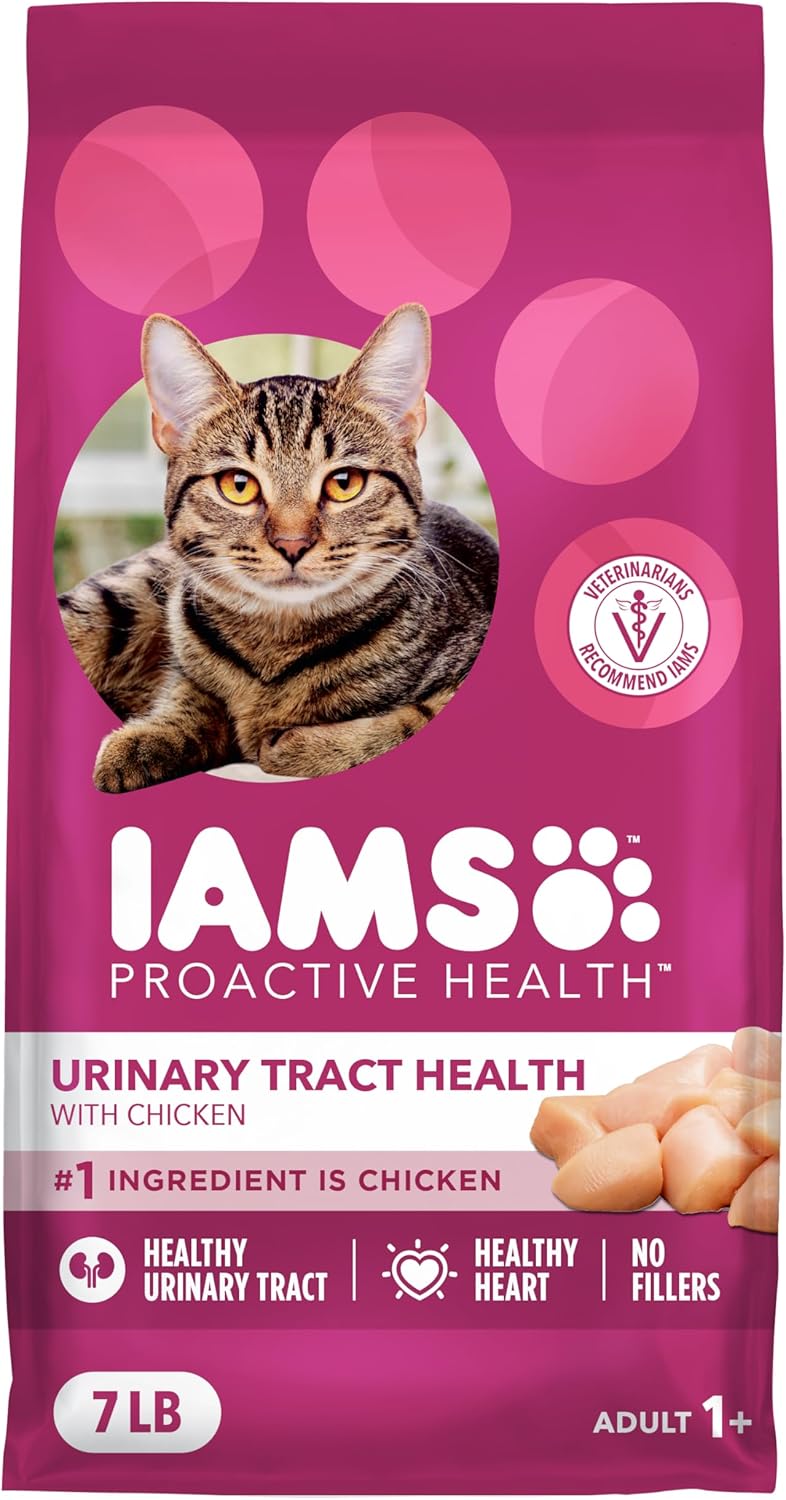
IAMS Proactive Health Adult Urinary Tract Health Dry Cat Food is a dry kibble formula designed for adult cats, with a focus on urinary health. Made with real chicken as the first ingredient, it provides high-quality protein to support lean muscles while delivering balanced minerals to help maintain a healthy urinary tract. This 7-pound bag offers a convenient option for single-cat households or as a trial size for new users.
This cat food is best suited for adult cat owners who want a reliable, everyday meal that promotes overall health without breaking the bank. It's a great pick for budget-conscious pet parents, multi-cat families looking for a cost-effective option, and even gift buyers seeking a practical present for cat lovers. New cat owners will appreciate the straightforward feeding guidelines and the brand's long-standing reputation.
Based on product specifications and user feedback, this formula delivers on multiple health fronts. The balanced mineral content helps reduce the risk of urinary crystals, while calcium and potassium support heart health. Added omega-6 and omega-3 fatty acids nourish the skin and coat, leading to a shinier, healthier appearance. Many cat owners report that their cats enjoy the taste and have fewer digestive issues thanks to the natural fiber and prebiotics in the recipe.
Build quality is solid given IAMS's history as a veterinarian-recommended brand. The kibble is free from artificial fillers and provides complete nutrition for adult cats. The 7-pound bag dimensions (5.25 x 8.75 x 16 inches) are easy to store in a pantry or cabinet. Feeding is simple: follow the suggested amounts based on your cat's weight, and transition slowly over 4 days to avoid stomach upset.
One realistic limitation is that some cats may prefer wet food over dry kibble, especially if they are picky eaters. Additionally, the formula contains grains like corn and wheat, which may not be ideal for owners seeking a grain-free diet. The 7-pound size may require more frequent purchases for households with multiple cats, though larger bags are available.
Overall, IAMS Proactive Health Adult Urinary Tract Health Dry Cat Food is a trustworthy and affordable choice for maintaining your adult cat's urinary health and general well-being. It's a practical solution for both new and experienced cat owners who want a balanced diet without premium pricing. Pairing it with IAMS wet food can add variety and extra moisture to your cat's meals.
Pros
- Effectively supports urinary tract health in healthy adult cats
- Palatable texture and flavor that cats accept readily
- Good non-prescription option for cats with mild urinary concerns
- Can be fed to multiple cats in a household for preventive care
- Backed by a reputable brand with a long history in pet nutrition
Cons
- Premium price point may be prohibitive for budget-conscious owners
- Only available in a 3 lb bag, which may not last long for multi-cat homes
- Some cats may need a prescription diet for severe urinary issues
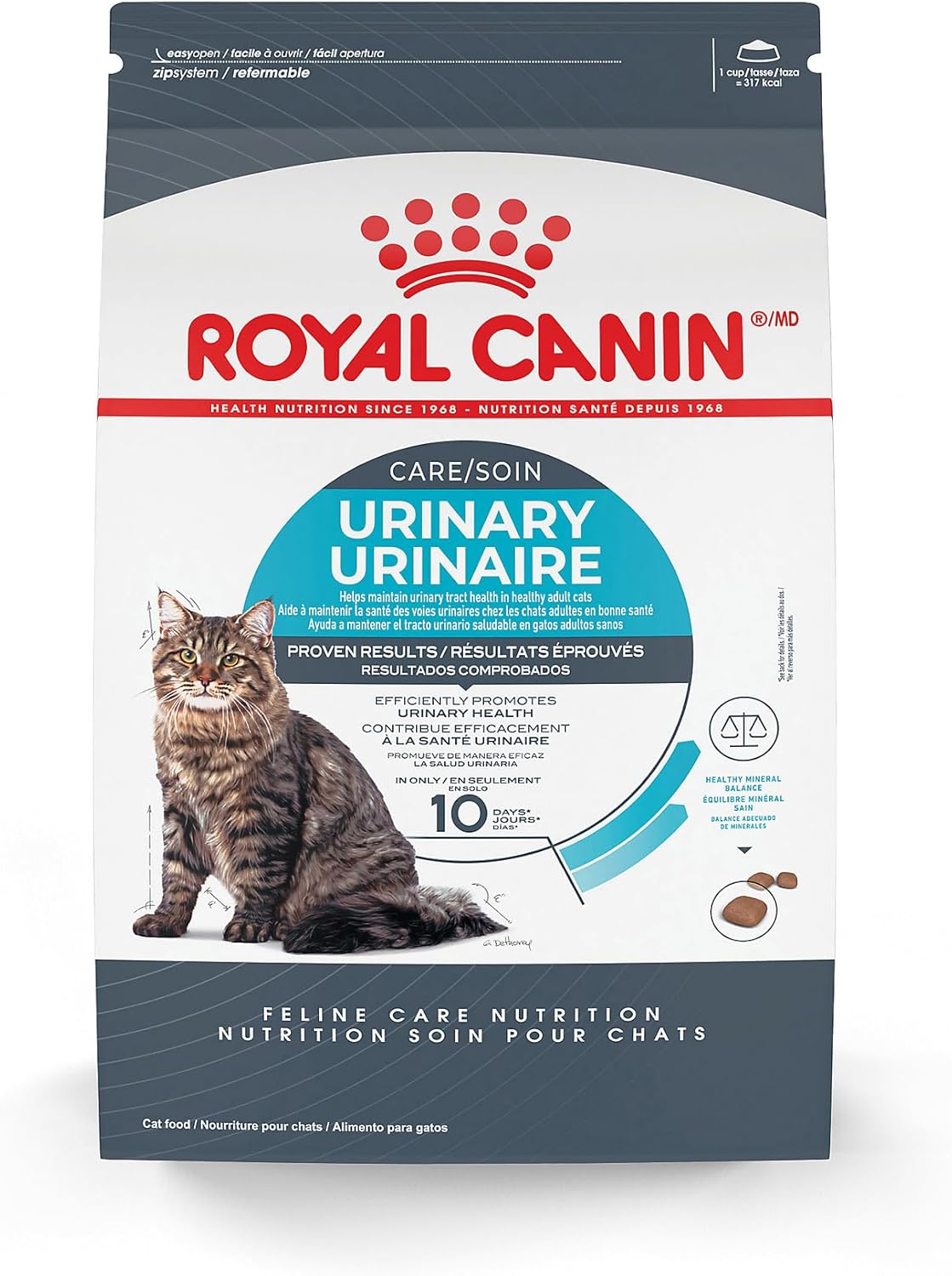
Royal Canin Feline Care Nutrition Urinary Care Adult Dry Cat Food is a dry kibble designed to support urinary tract health in adult cats. It's a non-prescription option that helps maintain a healthy mineral balance in urine, reducing the risk of crystals and other urinary issues. This food is best suited for cat owners who want to proactively support their cat's urinary health, especially those with senior cats, multi-cat households, or cats with a history of mild urinary problems.
Based on product descriptions and user feedback, this formula delivers a precisely balanced nutritional profile that promotes a healthy urine concentration. Many reviewers report that their cats accepted the kibble readily, even picky eaters. The kibble size and shape are designed to be easy to chew and palatable, which is important for cats that may be reluctant to change foods. Some owners noted improvement in their cat's urinary health within a few weeks, helping avoid costly vet visits.
The build quality is typical of Royal Canin's dry foods: consistent kibble size, fresh aroma, and a texture that cats find appealing. The food is made with chicken as the primary protein source and includes a blend of vitamins and minerals. While it's not a prescription diet, many veterinarians recommend it as a maintenance food for cats prone to urinary issues. For cats that need extra hydration, pairing this dry food with Royal Canin's wet urinary care formula can be beneficial.
In terms of daily use, this food is straightforward to incorporate into a cat's routine. Just measure the recommended portion based on your cat's weight and activity level. No special preparation or cleaning is needed beyond storing the bag in a cool, dry place. The 3 lb bag size is convenient for trial or for households with one cat, but multi-cat homes may need to buy multiple bags or consider larger sizes if available.
Realistic limitations include the price, which is higher than many standard dry cat foods. Some owners find it expensive, especially for long-term use. Additionally, this food is not a substitute for a prescription diet if your cat has a diagnosed urinary condition. It's designed for healthy adult cats, so always consult your veterinarian before making dietary changes, especially for cats with existing health issues.
Overall, Royal Canin Urinary Care Dry Cat Food is a reliable choice for cat owners who prioritize urinary health and are willing to invest in a quality diet. It works well for senior cats, multi-cat households, and as a preventive measure. If you're looking for a vet-recommended, non-prescription option to support your cat's urinary tract, this food is worth considering.
This dry cat food is specifically formulated to support urinary tract health by maintaining a healthy mineral balance in urine. The precisely balanced nutrition helps reduce the risk of struvite crystals and other urinary issues in healthy adult cats. The kibble also promotes a healthy urine pH and concentration, which is crucial for preventing urinary tract problems.
Many cat owners report that switching to this food helped their cats avoid recurrent urinary infections and reduced the need for veterinary interventions. The formula is designed to work in as little as 10 days, according to the manufacturer's internal study. For best results, ensure your cat has access to fresh water at all times, and consider mixing with Royal Canin's wet urinary care food to support hydration.
This food is not a treatment for existing urinary diseases but serves as a preventive maintenance diet. It's especially beneficial for male cats, who are more prone to urinary blockages, and for senior cats whose kidney function may be declining. Always consult your veterinarian before making dietary changes, particularly if your cat has a history of urinary issues.

Pros
- Effective urinary health support - low magnesium and pH-balancing formula helps prevent crystals and blockages, especially in male cats
- High-quality ingredients - real chicken provides great taste and protein without fillers, and the brand is trusted for safety and quality control
- Palatability - most cats love the taste, even picky eaters, making it easy to transition from other foods or prescription diets
- Good value - offers similar benefits to prescription urinary diets at a much lower cost, making it accessible for budget-conscious pet parents
Cons
- Not suitable for cats with active crystals or blockages; prescription diet may be necessary initially before switching to this maintenance formula
- Directions state it should not be mixed with other cat foods to maintain effectiveness, which can be challenging for multi-cat households with different dietary needs
- Some cats may prefer other flavors or textures, though the chicken flavor is generally well-accepted
If you are a cat owner, especially of a male cat, you know the worry that comes with urinary tract issues. The Purina ONE +Plus Urinary Tract Health Formula is a high-protein dry cat food specifically formulated to help maintain a healthy urinary system. It works by reducing urinary pH and providing low magnesium levels, two key factors in preventing the formation of struvite crystals that can lead to painful blockages. This food is designed for adult cats and offers a practical, everyday solution for proactive urinary care.
This formula is best suited for new cat owners who want to start their feline friend off right, experienced cat parents looking for a reliable maintenance diet, and especially those with male cats who are more prone to urinary obstructions. It is also a fantastic option for budget-conscious pet parents who want an effective alternative to expensive prescription urinary diets. Many long-time users in the reviews have shared how this food has kept their cats healthy for years, preventing recurrence of UTIs and blockages without the need for veterinary prescription foods.
In terms of real-world performance, the product delivers on its promises. The crunchy kibble not only helps with dental health by reducing plaque buildup but also provides the protein needed for strong muscles and a healthy heart. The addition of omega-6 fatty acids supports a soft, shiny coat. Cat acceptance is generally very high; reviewers note that even picky cats take to this chicken-flavored food readily. The easily digestible SmartBlend means fewer digestive upsets, and the inclusion of four antioxidant sources bolsters the immune system. For multi-cat households, if all cats can eat this formula, it simplifies feeding and ensures consistent urinary health support for everyone.
Build quality and nutritional integrity are strong points. Purina ONE is produced in Purina-owned U.S. facilities and undergoes thousands of quality checks. The ingredients contain no artificial flavors or colors, and every component can be traced back to trusted sources. The formula is complete and balanced, requiring no additional supplements unless directed by a vet. However, note the manufacturer's caution: this food should be fed exclusively to maintain its efficacy, so mixing with other foods or treats may reduce its urinary pH-lowering benefits. This is something to consider if you have a cat that requires a different diet for other health issues.
Daily use and maintenance are straightforward. You simply follow the feeding guide on the bag based on your cat's weight and activity level. The 3.5 lb bag is convenient for trying out or for smaller households, but larger sizes are available for better value. As with any diet change, it's wise to transition gradually over a week to avoid stomach upset. Some cats may initially prefer the taste of other foods, but most adjust quickly. The only realistic limitation is that if your cat has a current urinary blockage or crystal issue, a prescription diet or veterinary treatment is needed first; this food is intended for maintenance and prevention.
Overall, this Purina ONE Urinary Tract Health Formula is a highly recommended choice for cat owners seeking proactive urinary care. Its proven track record, backed by thousands of positive reviews and long-term user testimonials, makes it a trustworthy option. Whether you are a new cat owner preparing for a healthy future or an experienced caregiver managing a cat prone to issues, this food offers peace of mind at a reasonable price. It strikes an excellent balance between quality nutrition, health benefits, and everyday practicality for American cat owners.

Pros
- Vet recommended, providing reliable support for urinary tract health.
- Effectively reduces hairball issues through easily digestible natural fibers.
- Balanced omega fatty acids and vitamin E improve skin and coat condition.
- Made in the USA with quality ingredients, ensuring consistent nutrition.
Cons
- Formulated specifically for adult cats 1-6 years, not suitable for kittens or senior cats.
- Some picky eaters might not accept the chicken recipe immediately.
- May be priced higher than some standard maintenance cat foods.
Hill's Science Diet Urinary Hairball Control Dry Cat Food is a specialized dry food designed for adult cats ages 1 to 6. It combines urinary tract support with hairball management, making it a smart choice for cat owners concerned about both issues. This chicken recipe is particularly suited for new cat owners, experienced parents, and those in multi-cat households looking for a vet-recommended option.
Based on product specifications and user feedback, this formula supports urinary health by maintaining optimal magnesium levels, which helps keep the entire urinary system functioning properly. The inclusion of natural fiber gently reduces hairball formation, a common problem for indoor cats. Additionally, the fatty acids and vitamin E contribute to a healthier, shinier coat, which many cat owners may appreciate.
The food is made in the USA with ingredients you can trust, including real chicken as the primary protein source. It contains no artificial flavors or preservatives, aligning with the needs of health-conscious pet parents. Hill's Science Diet is widely recommended by veterinarians, adding peace of mind for those prioritizing their cat's long-term health.
Transitioning to this food is straightforward: mix increasing amounts with the old diet over a week. The kibble size is small enough for easy chewing, and the 7 lb bag is convenient for storage. Cat owners should monitor their cat's weight and adjust portions as needed, as the package includes clear feeding guidelines.
One limitation is that this formula is only for adult cats up to 6 years old, so kitten or senior households will need different products. Some cats may be hesitant to switch from their usual brand, so a gradual transition is key. Overall, for owners seeking a balanced dry food that addresses urinary health and hairballs, this is a reliable, vet-backed choice.

Pros
- Supports urinary tract health with low magnesium and pH control.
- High protein from real chicken helps maintain muscle mass and energy.
- Antioxidants from four sources boost immune system support.
- Crunchy kibble promotes dental health by reducing plaque.
- No artificial additives, made in the USA with trusted ingredients.
Cons
- Some cats may be picky about the texture or taste, especially if transitioning from wet food.
- Not suitable for kittens or pregnant/nursing cats due to specific adult cat formulation.
- The 7 lb bag may be small for multi-cat households with high consumption rates.
Purina ONE +Plus Urinary Tract Health Formula is a dry cat food designed specifically to support your cat's urinary system while providing complete nutrition. Made with real chicken as the first ingredient, it delivers high-quality protein that helps maintain strong muscles, including the heart. This formula is particularly beneficial for adult cats that may be prone to urinary issues, as it contains low magnesium levels and helps maintain a healthy urinary pH.
This food is best suited for adult cat owners who want to proactively support their cat's urinary health without sacrificing taste or nutrition. It works well for single-cat households as well as multi-cat homes, though larger bags may be more economical for multiple cats. New cat owners will appreciate the straightforward formulation and trusted Purina brand, while experienced cat parents will value the specific health focus.
According to product specifications and user feedback, the crunchy kibble texture not only satisfies cats' natural chewing instincts but also helps scrape away plaque and tartar, contributing to better dental health. The inclusion of four antioxidant sources - such as vitamins E and C - supports a strong immune system, which is especially important for indoor cats or those with sensitive health.
The food is made in Purina-owned facilities in the United States, using high-quality ingredients without artificial flavors or colors. The 7 lb bag size is convenient for storage and maintaining freshness, though it may require more frequent repurchasing for households with multiple cats. The resealable packaging (if applicable) helps keep the kibble crisp and aromatic.
One realistic limitation is that some cats may need a gradual transition from their current food to avoid digestive upset. Additionally, while the formula is excellent for urinary health, it is formulated for adult cats specifically, so it is not recommended for kittens or pregnant/nursing cats. Overall, this Purina ONE option offers a practical, health-focused diet that many cat owners find effective for maintaining urinary tract wellness without breaking the bank.
Purina ONE +Plus Urinary Tract Health Formula is a complete and balanced dry food for adult cats. The recommended feeding amounts vary by your cat's weight and activity level, typically ranging from 1/3 to 1 cup per day for a 10 lb cat. Always provide fresh water alongside dry food. This formula is designed to be fed as a sole diet, but can also be mixed with wet food for variety. The low magnesium content and pH-balancing properties work continuously to support urinary health. Store in a cool, dry place and use within the manufacturer's recommended time frame for best freshness.

Pros
- Proven urinary tract support reduces risk of crystals and infections, as reported by many cat owners
- Cats generally love the taste of real chicken, easing the transition from other foods
- Affordable alternative to expensive prescription urinary diets, offering significant savings
- Vet-recommended and backed by extensive research from Purina's team of scientists
Cons
- Not suitable for kittens or cats with advanced kidney disease without veterinary guidance
- Some picky eaters may still resist switching from a different brand or formula
- Does not address hairballs, so supplementing with a hairball control product may be needed
Purina Pro Plan Urinary Tract Health Formula is a dry cat food designed specifically to support urinary health in adult cats. This chicken and rice recipe helps maintain a healthy urinary pH and provides low dietary magnesium, both of which can reduce the risk of struvite crystals and urinary tract infections. For cat owners who have dealt with the stress and expense of UTI vet visits, this food offers a proactive, everyday solution.
This formula suits a wide range of cat owners. It is especially valuable for those with cats prone to urinary issues, multi-cat households where prevention matters, and budget-conscious pet parents looking to avoid costly prescription diets. New cat owners will appreciate the vet-recommended reliability, while experienced cat parents can feel confident in the science-backed nutrition from Purina.
In real-world use, many cat owners report that their cats enjoy the taste and readily accept this food as a daily staple. The kibble is crunchy and appropriately sized for adult cats. The low magnesium content (0.075% max) is key for urinary health, and linoleic acid supports a soft, shiny coat. While not a cure-all, the formula has helped numerous cats avoid recurrent UTIs, as highlighted in user reviews.
Build quality is typical of Purina Pro Plan: consistent kibble shape, fresh aroma, and a sturdy resealable bag (though note the bag may have a new look during transition). The ingredients are selected for purpose, with no artificial colors or flavors. The brand is manufactured in USA facilities and backed by Purina's team of over 500 scientists, nutritionists, and veterinarians.
Daily use is straightforward: feed according to your cat's weight and activity level, as directed on the bag or by your vet. Storage is simple in a cool, dry place. One limitation is that this food does not address hairballs, so some owners may need to supplement with a hairball control treat or wet food. Additionally, transitioning cats gradually over 7-10 days is recommended to avoid digestive upset.
Overall, Purina Pro Plan Urinary Tract Health is a practical, effective choice for maintaining feline urinary wellness without breaking the bank. It is particularly recommended for male cats (more prone to blockages), multi-cat households, and owners seeking a reliable, vet-trusted diet. For most adult cats without advanced health issues, this formula delivers excellent value and peace of mind.
Understanding Urinary Tract Diets and Feline Kidney Health
Directly addressing feline dietary needs requires understanding how commercial recipes process through a cat’s organs. Although the kidneys and bladder work in unison to eliminate metabolic waste, their nutritional requirements during illness point in opposite directions. The short answer to whether urinary tract food suits feline kidney disease is generally no. Standard urinary diets do not offer the targeted mineral, protein, and pH modifications needed to protect declining kidney function.
Anatomical Differences Between Bladder and Kidney Conditions
The feline urinary system divides functionally into upper and lower sections, each facing very different medical challenges. The upper tract includes the kidneys and ureters, which filter blood, regulate electrolyte balance, and produce urine. The lower tract consists of the bladder and urethra, which store and expel urine from the body. Most commercial urinary foods focus strictly on lower tract health, particularly preventing crystals in the bladder.
When owners see urinary support listed on a bag, they frequently assume it offers comprehensive protection from kidneys to bladder. Commercial formulations like Royal Canin Feline Care Nutrition Urinary Care target urine concentration and mineral saturation in the bladder. Kidney disease, however, represents a progressive loss of functional nephron filtration capacity inside the kidneys. Treating an upper tract filtration deficit with a lower tract bladder formula fails to address the underlying physiological problem.
The Danger of Urine Acidification in Kidney Disease
One of the primary mechanisms found in over-the-counter urinary foods is the intentional acidification of feline urine. Recipes such as Purina ONE High Protein Dry Cat Food explicitly note their ability to reduce urinary pH to discourage struvite crystals. Struvite crystals typically precipitate in neutral to alkaline urine, making an acidic environment advantageous for bladder crystal management. For healthy adult cats prone to sterile cystitis or struvite formation, maintaining an acidic urine pH serves a protective purpose.
Unfortunately, cats diagnosed with chronic kidney disease already struggle to maintain normal acid-base homeostasis within their blood. Failing kidneys lose their ability to excrete hydrogen ions efficiently, leaving affected felines highly vulnerable to metabolic acidosis. Feeding an acidifying urinary formula can exacerbate this systemic acidity and accelerate clinical decline. Metabolic acidosis strains cellular function, promotes muscle wasting, and can further damage compromised renal tissue over time.
Phosphorus Control and Mineral Balance
Phosphorus control represents the single most documented dietary intervention for slowing the progression of feline kidney disease. Healthy feline kidneys filter excess phosphorus from the bloodstream with ease, maintaining safe serum levels. As nephron function declines, phosphorus accumulates in the circulation, causing hyperphosphatemia and triggering secondary hyperparathyroidism. This hormonal imbalance pulls calcium from the bones and promotes dangerous soft-tissue calcification within the kidneys themselves.
In contrast, over-the-counter urinary formulas are formulated to meet standard adult maintenance profiles established by nutritional guidelines. Formulas such as Hill’s Science Diet Urinary Hairball Control prioritize magnesium regulation rather than aggressive phosphorus restriction. While managing magnesium helps prevent magnesium-ammonium-phosphate crystals in the bladder, it does not restrict phosphorus sufficiently for renal health. Feeding standard phosphorus levels to a cat with kidney disease directly undermines long-term renal management.
Dietary Protein Levels and Nitrogenous Waste
Dietary protein presents another stark contrast between standard urinary formulas and therapeutic kidney recipes. Several commercial urinary foods, such as Purina ONE High Protein Dry Cat Food, feature high crude protein levels to support lean muscle mass. While high protein is suitable for healthy adult felines, metabolizing large amounts of protein produces nitrogenous waste products like blood urea nitrogen. Healthy kidneys filter these metabolic byproducts without difficulty, passing them harmlessly into the urine.
When kidney function is substantially impaired, these nitrogenous wastes accumulate in the bloodstream, leading to clinical uremia. Cats suffering from uremic toxicity frequently experience nausea, severe appetite loss, oral ulcers, and lethargy. Therapeutic renal diets carefully moderate total protein while selecting highly digestible sources to limit waste production while preserving muscle mass. Relying on an over-the-counter high-protein urinary kibble can cause an unnecessary buildup of toxins in a cat with advanced renal disease.
Evaluating Common Over-the-Counter Urinary Diets
Examining the stated specifications of popular urinary formulas highlights their intended purpose for adult maintenance rather than disease treatment. The IAMS Proactive Health Adult Urinary Tract Health kibble provides complete and balanced nutrition for adult cats with real chicken and controlled magnesium. Similarly, Royal Canin Feline Care Nutrition Urinary Care relies on precise mineral regulation to maintain a balanced urine concentration. Neither recipe claims to modify phosphorus levels or buffer systemic blood pH for cats experiencing kidney failure.
Formulations such as Hill’s Science Diet Urinary Hairball Control combine urinary support with natural fibers for digestive hairball reduction. When reviewing a detailed brand nutrition comparison, pet owners can see how general wellness diets balance vitamins and fatty acids for whole-body health. Purina Pro Plan Urinary Tract Cat Food also uses targeted dietary magnesium and urinary pH management to maintain lower tract wellness. These products serve a clear purpose for healthy adult cats prone to bladder irritation, but their nutritional balance is not designed for chronic renal disease.
Moisture and Hydration Tradeoffs
If there is one nutritional factor that benefits both lower urinary tract health and kidney function, it is dietary moisture. Cats have a naturally low thirst drive and historically obtain most of their hydration directly from prey in the wild. When cats consume exclusively dry kibble, their urine becomes significantly more concentrated, which raises the risk of crystal formation in the bladder. For cats with kidney disease, failing kidneys lose the ability to concentrate urine, leading to frequent urination and chronic dehydration.
All the featured options in this review category, including Purina ONE and IAMS, are dry kibble diets formulated for convenience and palatability. While these recipes utilize mineral ratios to manage urine chemistry, dry food inherently provides very little dietary water compared to canned alternatives. Increasing fluid intake through canned wet food, water fountains, or broth additions helps flush the bladder and supports kidney perfusion. Caregivers managing kidney conditions must pay special attention to total fluid intake regardless of the dietary recipe selected.
Accidental Ingestion and Exposure Risks
In multi-cat households, curious felines often investigate neighboring food bowls and consume items intended for their companions. If a cat diagnosed with mild or early-stage kidney disease eats a single serving of urinary food by mistake, pet owners generally do not need to panic. A brief ingestion will rarely cause an immediate metabolic crisis or acute kidney injury in an otherwise stable feline. The primary danger arises from prolonged, exclusive feeding of an acidifying, phosphorus-rich maintenance formula over weeks or months.
Caregivers should observe the cat closely following an accidental dietary mix-up for any signs of gastrointestinal distress or behavioral shifts. Symptoms such as sudden lethargy, decreased water intake, repeated vomiting, or unusual litter box avoidance warrant a prompt call to your veterinary clinic. If the cat consumes another pet’s meal repeatedly, separating feeding stations into different rooms or using microchip-activated feeders provides a reliable solution. Preventing repeated access protects the sensitive metabolic balance your kidney-care routine works hard to maintain.
Managing Feeding in Multi-Cat Households
Managing dietary routines in multi-cat households presents a complex logistical puzzle when one cat requires urinary support and another requires kidney care. It can be tempting for busy owners to find a single over-the-counter bag that claims to support all urinary organs equally. However, feeding an acidifying urinary formula to both cats compromises the health of the renal patient over time. Conversely, feeding a protein-restricted and phosphorus-limited renal diet to a healthy young cat may not provide optimal nutrition for active maintenance.
Cat owners exploring specialized feeding routines can review a limited ingredient feeding guide to understand how single-purpose diets operate in shared homes. Setting up timed, supervised feedings in separate rooms allows each cat to finish their specific formula without competition. Automated microchip feeders that only unlock for a specific pet’s collar tag also solve cross-feeding issues effectively. Investing time into separate feeding habits protects each cat from receiving inappropriate mineral levels or unwanted urine acidifiers.
The Role of Veterinary Diagnostics and Prescription Diets
Nutritional therapy for feline kidney disease is not a one-size-fits-all strategy that can be solved with over-the-counter retail bags. Feline chronic kidney disease develops across multiple stages, beginning with subtle filtration loss before progressing to severe azotemia. A veterinarian evaluates diagnostic blood panels, measuring markers like symmetric dimethylarginine, serum creatinine, blood urea nitrogen, and electrolyte levels. These clinical measurements, alongside blood pressure checks and urinalysis, determine the exact level of dietary phosphorus and protein management required.
Veterinary prescription renal diets undergo specialized formulation to buffer blood acidity, restrict phosphorus, and supply elevated levels of omega-3 fatty acids and potassium. These clinical formulations differ fundamentally from commercial urinary care kibble designed for general adult maintenance. Attempting to self-manage feline renal disease with retail urinary formulas can allow kidney damage to progress unchecked. Pet parents should always review diagnostic results with their veterinary team before introducing new therapeutic foods or altering an established feeding plan.
Practical Feeding Transitions and Patient Monitoring
Transitioning a cat with suspected or confirmed renal complications to a new veterinary diet requires patience and careful monitoring. Sudden food changes often trigger gastrointestinal upset, food aversion, or complete refusal to eat, which can be dangerous for cats. Felines with renal disease frequently suffer from fluctuating nausea, making them especially sensitive to subtle differences in aroma and texture. Introducing a new diet gradually over seven to ten days helps the cat acclimate without rejecting the new food entirely.
During any transition period, monitoring daily food consumption, litter box output, and body weight provides essential feedback on your cat’s response. Cats that refuse to eat for more than twenty-four to forty-eight hours face the risk of secondary hepatic lipidosis, making consistent intake paramount. Warming wet food slightly or adding warm water can release aromatic compounds that encourage finicky eaters to investigate their bowl. Keeping open communication with your veterinarian ensures that any necessary adjustments to flavor, moisture, or feeding schedules occur smoothly.
Making informed decisions about your cat’s diet requires looking past broad label promises to understand the distinct biological needs of their organs. Over-the-counter urinary formulas provide valuable mineral balance for healthy adult cats prone to bladder crystals, but they cannot replace targeted renal care. By prioritizing appropriate veterinary diagnostics, controlled phosphorus intake, and adequate daily hydration, you can provide the specialized nutritional support your cat truly requires.




Write Your Review
No reviews yet. Be the first to share your experience!