


Understanding Cat Boredom And Plant Sensitivity
Feline boredom can turn a calm living room into a landscape of shredded couch corners and toppled knickknacks in the blink of an eye. Cat parents often buy aromatic green herbs hoping to spark joyful playtime, only to find their whiskered companion casually walking away without a second glance. That anticlimactic moment makes many people wonder why do some cats not react to catnip while other pets roll around in sheer bliss. Based on our detailed comparison of material safety, odor control features, and user feedback across top feline enrichment guides, genetic traits quietly dictate how scent receptors respond to herbal oils. Pairing sensory playtime with routine grooming using the best brush for cats with mats keeps indoor felines calm, comfortable, and stimulated even when herbal remedies fall flat.
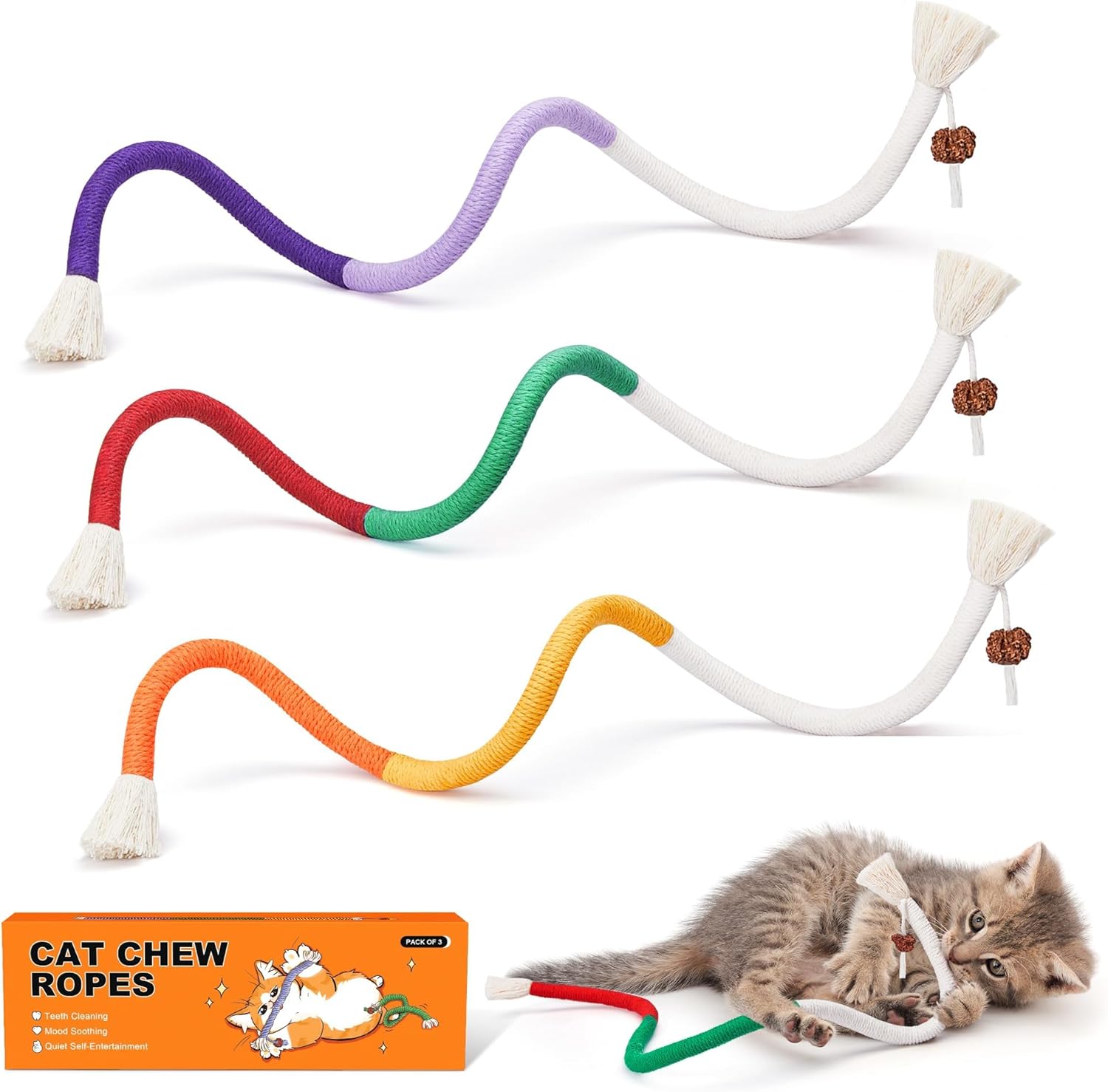
Understanding feline sensory biology takes the guesswork out of enrichment routines so you don’t feel like your money went down the drain. It’s completely normal for a cat to shrug off herbal aromas, especially since roughly one out of three felines lacks the inherited receptor gene for nepetalactone. Reliable feline literature like Why Do Cats Like Catnip? and Why Do Cats Meow? (Penguin Young Readers, Level 3) helps demystify these quirky behaviors for pet lovers of all ages. Focusing on safe textures, tactile kicker toys, and healthy enrichment ensures your four-legged buddy stays active and completely content every single day.

Pros
- Entertaining collection of fascinating facts that spark curiosity about the world around us
- Low price point makes it an easy, low-risk purchase for cat lovers and trivia fans
- Answers are brief and accessible, suitable for teens and adults alike
Cons
- Not exclusively about cats; only a small portion directly relates to feline behavior
- Some reviews note the answers can be superficial and the ebook contains typos from scanning
- Book is somewhat dated (published 2012) and may lack the most current scientific findings
If you have ever wondered why cats go nuts for catnip or how the planets formed, this trivia collection by Martin M. Goldwyn offers a lighthearted look at over 300 questions. Based on the author’s 30-year teaching career, the book compiles the most intriguing queries from his students, along with concise answers and playful cartoons. While the title suggests a feline focus, only a few entries actually discuss cats and catnip, making it more of a general science and nature read than a dedicated cat-care guide.
This book suits curious minds of all kinds, including new cat owners, long-time cat lovers, gift buyers, and families with kids aged 12 and up. For cat parents wanting to understand feline behavior, the few cat-related questions provide a fun starting point but won't replace a dedicated cat care book. Instead, think of it as a coffee table e-book that sparks conversation and satisfies random curiosity.
In terms of performance as a product, user feedback is mixed. Many appreciate the easy reading format and entertaining facts. However, some critics point out that the answers can be too basic or vague, and the ebook version suffers from typos due to poor character recognition during digitization. The book's publication in 2012 means certain scientific claims may not reflect the latest research.
Build quality is purely digital: the Kindle edition supports screen readers, word wise, and enhanced typesetting. With 455 pages of content, it offers substantial reading material. But the lack of X-Ray feature and reported formatting issues may disappoint perfectionists.
Realistically, this is a budget-friendly impulse buy. At around $2, it costs less than a cup of coffee and can provide hours of light entertainment. For cat lovers specifically, the title may be a bit misleading, but it's still a pleasant gift for trivia enthusiasts or as a stocking stuffer.
If you are looking for deep, authoritative answers about catnip or pet care, skip this and buy a dedicated cat behavior book. But if you enjoy random facts, casual learning, and a chuckle or two, this is a worthwhile, low-investment addition to your digital library.
Pros
- High-interest topic for cat-loving kids that encourages reading and learning.
- Simple, direct explanations that even adults can learn from, as noted by reviewers.
- Positive reviews from parents and educators about its educational value and readability.
- Good starting point for children doing a first report on cats or pets in general.
Cons
- May be too simple for advanced readers ages 9+ or children reading above grade level.
- Some reviewers noted the content could feel a bit basic for older kids (e.g., 10-year-olds).
- Enhanced typesetting and X-Ray not enabled for Kindle version, limiting interactive features.
Why Do Cats Meow? is a delightful children's book that turns everyday cat curiosity into a fun learning adventure. Part of the Penguin Young Readers Level 3 series, this 48-page book is designed for children ages 6 to 8 who are becoming confident readers. But it's not just for kids - many parents and teachers have found themselves picking up new facts about feline behavior, from the meaning behind different meows to the purpose of whiskers.
This book is best suited for new cat owners who want to help their children understand their new pet, as well as experienced cat families looking to deepen a child's bond with their cat. It's particularly great for second graders or early elementary students who love animals and may be preparing a school report on cats. The reading level is just right for independent reading, though some advanced readers around age 10 might find it a bit easy - as one reviewer noted, it's ideal for kids up to about 7 or 8.
Based on user feedback, the book excels at making complex cat behaviors accessible. It covers why cats meow, hiss, and purr, why they have whiskers, tails, and claws, all in a straightforward question-and-answer format. The colorful feline photos and drawings are a hit with young readers, and the Kindle version is easy to read on tablets. Many parents reported that their children eagerly shared "cat facts" with family members after reading, showing how engaging the content is.
The build quality of the physical book (from a reputable publisher like Penguin) is standard for a paperback reader - durable enough for classroom use or home reading. The Kindle version offers convenience for travel and bedtime reading on devices. The book's compact size makes it easy to slip into a backpack or take on car rides.
One realistic limitation is that for very advanced readers or older children (ages 9+), the content may not be challenging enough. A few reviewers mentioned it seemed a bit boring for older kids even though the topic was interesting. Additionally, the Kindle version lacks enhanced typesetting and X-Ray features that some e-readers might miss, but the straightforward text works well for young readers.
Overall, Why Do Cats Meow? is a smart purchase for any parent, grandparent, or gift-giver with a young cat lover. At an affordable price, it delivers solid educational value while fostering a love for reading and an understanding of our feline friends. For families with multiple children, it's a resource that can be read together and revisited. If you're looking for a way to combine a child's love of cats with reading practice, this book is a purr-fect choice.
This book serves as an excellent introduction to cat care and behavior for young readers. It covers essential topics like vocalizations (meowing, hissing, purring), body language (tail movements, ear positions), and physical features (whiskers, claws, tails). The question-and-answer format keeps children engaged while building their understanding of what their cat is trying to communicate.
Teachers and parents have praised how the book encourages respect and proper care for pets. By learning why cats do what they do, children are more likely to interact with cats in a safe, gentle way. The book also supports literacy development as part of the Penguin Young Readers leveled series, making it a practical tool for classrooms or homeschooling.
Looking for a thoughtful present for a cat-loving child? This book is an ideal choice for birthdays, holidays, or as a welcome gift when a family adopts a new kitten. At just $5.99, it's a budget-friendly option that pairs nicely with other cat-themed gifts like a stuffed animal, a cat coloring book, or even a real kitten supply kit.
It also works well as a classroom gift for a teacher's pet library or as a stocking stuffer. Because it's a Level 3 reader, it's appropriate for children who are comfortable with basic sentences and ready for longer stories. Many reviewers have successfully gifted it to nieces, nephews, grandchildren, and students.
Frequently Asked Questions About Why Do Some Cats Not React To Catnip
Is it normal for a cat to have no reaction to catnip?
Yes, it is entirely normal because roughly one in three felines does not inherit the specific gene needed to detect the active compound nepetalactone. Their olfactory receptors simply register the dried herb as an everyday plant scent rather than a stimulating trigger. This lack of response is purely biological and has no negative bearing on your pet’s overall health, happiness, or playfulness.
Can age explain why do some cats not react to catnip?
Yes, age directly affects feline olfactory development and sensitivity to aromatic plants. Kittens younger than six months typically possess immature scent receptors that cannot yet process nepetalactone molecules. Senior felines may also show a faded response over time due to the natural decline of their olfactory sharpness.
Do alternatives like silvervine work for cats that ignore catnip?
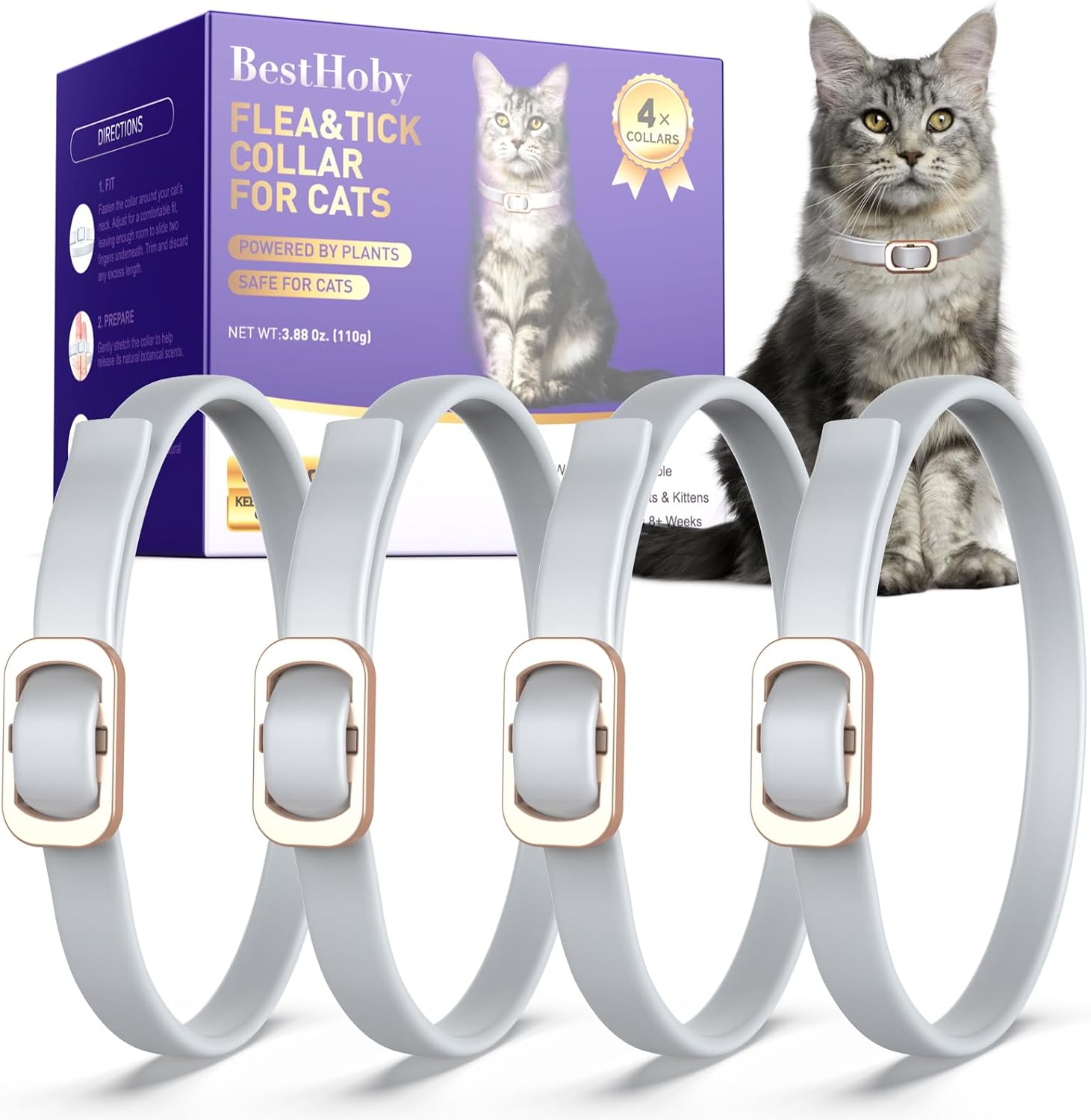
Yes, silvervine and valerian root frequently trigger playful reactions in cats that show zero interest in traditional catnip. These botanical alternatives contain distinct natural compounds, such as actinidine, which stimulate alternative olfactory pathways in the feline brain. Introducing diverse interactive toys alongside comfortable accessories like the best cat collar for sensitive skin helps support daily sensory enrichment.
Can stale or poorly stored catnip cause a lack of response?
Yes, degraded volatile oils are a frequent reason why cats seem indifferent to herbal toys. Nepetalactone oils break down quickly when exposed to sunlight, open air, and heat, turning potent dried leaves into dull botanical dust. Storing fresh catnip in an airtight glass container in a cool, dark cabinet helps preserve its natural potency for energetic play sessions.
Can stress or multi-cat household tension stop a cat from reacting?
Yes, environmental stress and social competition can completely suppress a feline’s natural play drive. If a timid cat feels watched or crowded by a bolder companion, safety instincts override curious play cues every time. Testing herbal toys in a quiet, isolated room allows your pet to relax and explore the scent without feeling guarded.




Write Your Review
No reviews yet. Be the first to share your experience!