

Managing Litter Scatter and Pan Durability
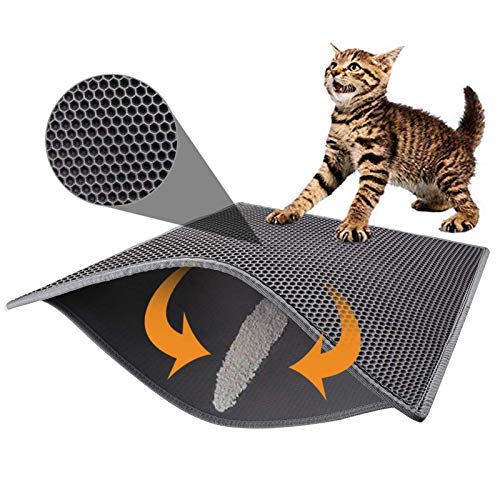
Litter scatter and lingering pan odors can quickly turn daily cat care into an exhausting chore. Standard plastic litter pans often develop microscopic scratches from vigorous digging, allowing urine and bacteria to settle into the base over time. Investing in the best dyna-gro litter cat box style setup can significantly reduce these daily frustrations by pairing smooth, hygienic materials with functional high walls. Pairing a sturdy box with a Purina cat litter catcher further prevents stray particles from spreading across your living spaces.
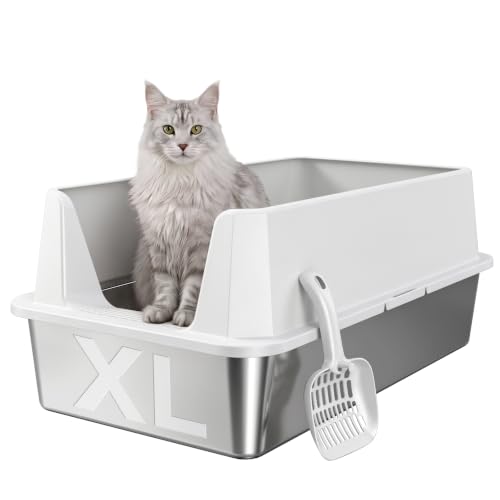
Modern metal and enclosed designs offer notable advantages for multi-cat households and cats that tend to spray urine high. A stainless steel litter box provides a naturally non-porous surface that resists persistent odors and prevents wet clumps from sticking to the bottom. Whether you prefer an open stainless steel tray or an enclosed modular setup, picking the right dimensions helps your feline turn comfortably while digging. For households tackling stubborn messes, pairing these durable designs with heavy-duty cat litter cleanup tools keeps everyday maintenance swift and straightforward.





Frequently Asked Questions
Why choose a stainless steel litter box over traditional plastic?
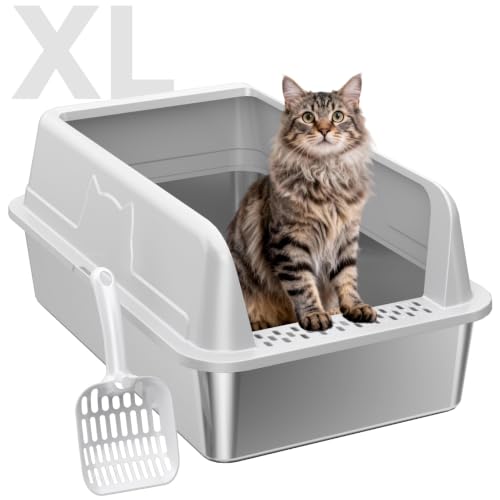
Stainless steel pans feature a non-porous, scratch-resistant surface that does not absorb urine odors or trap waste particles. Plastic litter boxes often develop small grooves from claws where bacteria and smells can linger. The smooth metal surface also allows wet clumps to slide away effortlessly during daily scooping routines.
How do high-sided litter boxes help manage messy diggers and high sprayers?
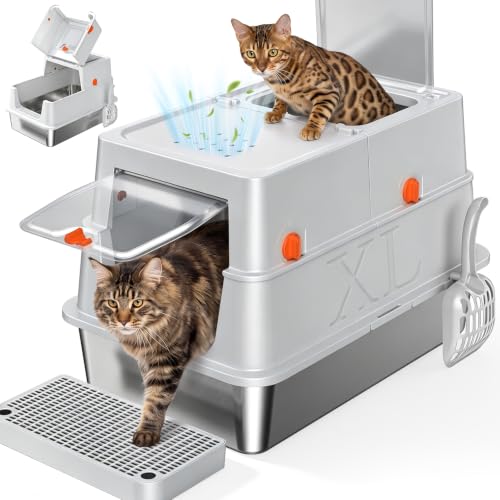
High walls create an effective barrier that contains kicked litter and directs high urine streams back into the pan. Many modern setups, such as the Tevila XL models or OneBug high-sided designs, incorporate tall splash guards or overlapping enclosures. Using a dedicated petkit cat litter catcher at the entry step can catch any residual granules clinging to paws.
What types of litter work best in sifting or pellet litter boxes?
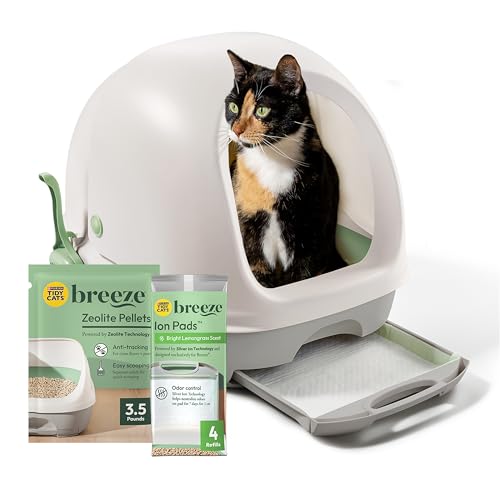
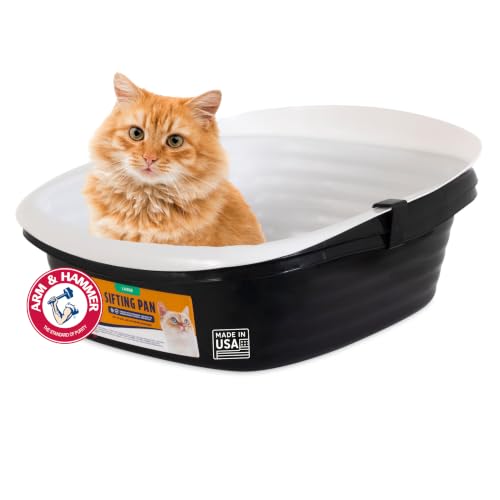
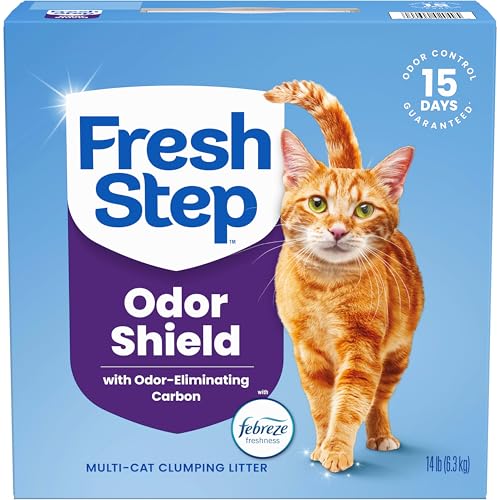
Sifting and pellet setups require specific litter types to function effectively according to manufacturer specifications. The Purina Tidy Cats Breeze system uses non-clumping zeolite pellets alongside absorbent pads, whereas the Arm & Hammer sifting box accommodates pine pellets, crystals, or traditional clumping clay. If you need cats to adjust to new tray setups, incorporating litter attract for heavy-duty box training can ease the transition.
How does a modular 3-in-1 litter box design function?
Modular designs offer adaptable configurations including fully enclosed, semi-covered, or open pan setups. Products like the Tevila enclosed series feature removable lids, carbon filter packs for odor containment, and top or front entry ways. These configurations allow owners to customize privacy levels or restrict curious dogs while suiting the individual preferences of their cats.
What size litter pan is recommended for large cats?
A suitable litter box should generally measure at least 1.5 times the length of your cat from nose to base of tail. Extra-large models measuring around 22 to 24 inches in length provide sufficient turning room for bigger breeds such as Maine Coons. Generous basin depth also holds adequate litter volume so cats can dig and bury waste naturally.




Write Your Review
No reviews yet. Be the first to share your experience!