

Practical Litter Solutions for Modern Cat Homes
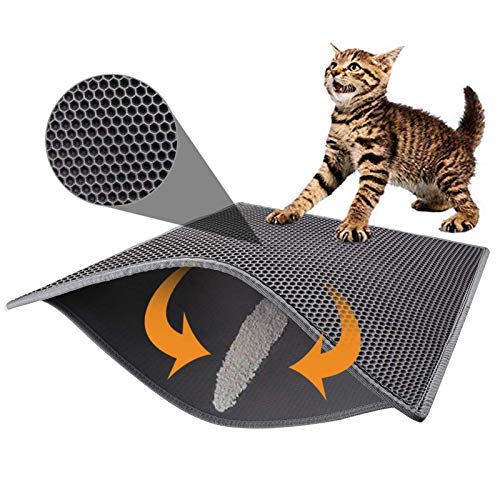
Tracking fine clay dust across hard floors creates an ongoing cleaning chore for any busy home. Pouring heavy granules that kick up powdery clouds makes box maintenance frustrating for sensitive noses. A dependable best earth litter cat box setup balances rapid moisture absorption with manageable daily scooping. Formulas made with diatomaceous earth or plant materials handle liquids differently depending on particle density. Placing an effective Petkit cat litter catcher right outside the entry helps trap wandering granules before they scatter.
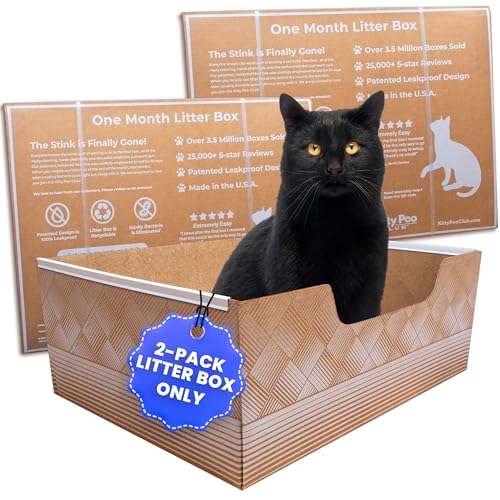
Material weight and clumping style influence how often you need to scrub pans or discard waste. Non-clumping diatomaceous pebbles absorb liquid without creating sticky scrapings, whereas tight-clumping clay keeps urine from pooling at the base. Non-porous stainless steel pans or structured disposable boxes further reduce retained odors over time. If you want faster routine cleanup, adding a heavy-duty litter scoop makes separating waste from clean litter much easier.




Frequently Asked Questions
What is the difference between diatomaceous earth litter and bentonite clay?
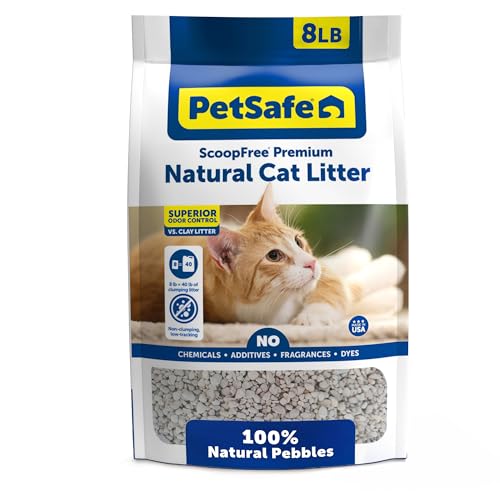
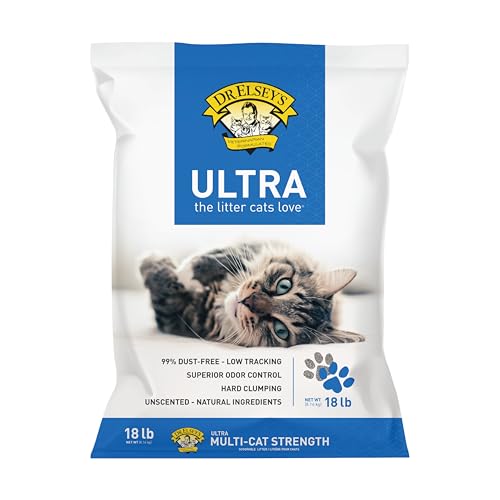
Diatomaceous earth litters use lightweight mineral pebbles that absorb moisture without forming scoopable clumps, while bentonite clay swells to create firm clusters around liquid. Products like PetSafe ScoopFree rely on porous mineral pebbles that dry out waste. Dr. Elsey’s Ultra uses bentonite clay to lock moisture into solid clumps for daily scooping.
Can you use natural mineral litters in automatic self-cleaning litter boxes?
Yes, but compatibility depends on the specific box design. For instance, PetSafe ScoopFree Natural litter works in ScoopFree crystal systems, while Purina Tidy Cats clumping litter is formulated for rotating units like the Litter-Robot. Always check manufacturer guidelines before adding coarse pebbles to sifting units.
How does a stainless steel litter box help reduce lingering odors?
Stainless steel features a non-porous surface that stops liquid waste and bacteria from penetrating the pan. Plastic boxes often develop claw scratches that harbor stubborn ammonia smells. As listed for the Tevila XL box, smooth metal resists residue buildup and cleans up with a simple wipe.
Are compostable litter liners safe for home vegetable gardens?
No, compostable liners with cat waste should never be used on edible crops. The packaging for Pawsitive Earth liners specifies that composted waste is strictly for decorative plants. Cat feces may contain parasites that common backyard composting temperatures cannot kill.
How do unscented litters control odors without artificial fragrances?
Unscented litters manage smells by absorbing moisture rapidly or locking away ammonia within dense mineral granules. Formulas like World’s Best Cat Litter use whole-kernel corn, while clay options trap wetness inside dense clumps. Placing a Purina cat litter catcher outside the pan also keeps scattered odor-causing particles off your floors.





Write Your Review
No reviews yet. Be the first to share your experience!