

Durable Solutions for Demanding Litter Box Setups
Cracked plastic trays, lingering urine odors, and energetic diggers kicking gravel across the room create daily frustration for pet parents. Standard pans often flex under heavy litter weight or absorb harsh smells over time, making routine scooping feel like an endless chore. Investing in a resilient setup like the best litter cat box for heavy-duty performance helps maintain a cleaner space with fewer full box replacements. Durable materials such as non-porous stainless steel resist scratches where bacteria cling, while sturdy high walls keep spray and scatter securely inside the pan.
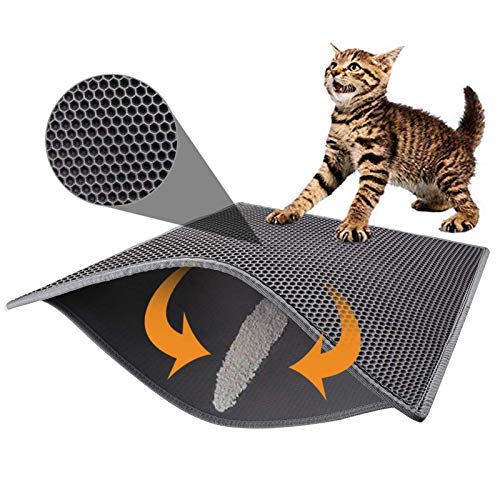
Managing waste in a multi-cat household also calls for dependable tools that stand up to daily scraping and shifting. Combining a solid pan with tear-resistant liners or an aluminum sifter scoop reduces physical strain and keeps clean litter from going to waste. Pairing your setup with a dedicated litter cat mat further prevents stray granules from traveling onto surrounding rugs and hardwood. Sticking to heavy-duty essentials allows you to simplify weekly maintenance while keeping your cat comfortable.




Frequently Asked Questions
Why should you consider stainless steel for the best litter cat box for heavy-duty use?
Stainless steel provides a non-porous surface that does not absorb odors or scratch easily. Plastic litter pans often develop micro-scratches from cat claws and scoops where waste and bacteria accumulate over time. Metal pans like those from Idymere and Tevila resist rust and allow wet clumps to slide off smoothly during washing. This material also holds up under heavy volumes of litter without cracking or bending.
Are heavy-duty litter liners tear-resistant against sharp claws?
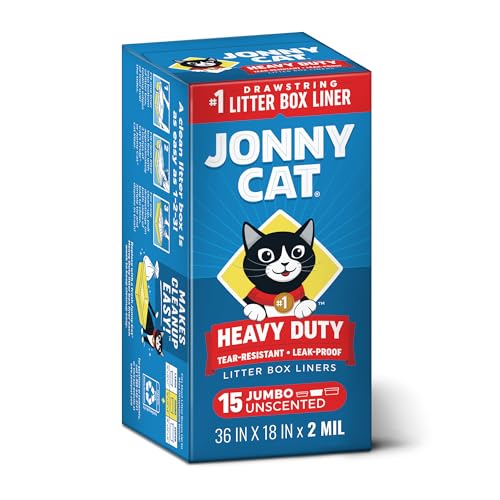
Yes, heavy-duty liners are engineered with thicker film to withstand digging. For example, options like the Jonny Cat liners feature a 2-mil thickness designed to keep paws and claws from ripping through the bottom. Using a thick liner keeps wet residue off the pan base and lets you lift waste out in one motion. If your cat scratches aggressively, pairing durable liners with deep litter helps prevent punctures.
What are the advantages of using a metal scoop with a long handle?
A metal scoop offers rigidity that prevents bending or snapping when lifting dense clay clumps. Models like the Depets adjustable scooper provide reach between 16 and 32 inches, which reduces back strain during cleanup. Aluminum sifters like the WePet scoop feature wide slots to let clean granules fall through quickly while trapping solid waste. These metal tools also rinse clean easily and resist corrosion.
How do high sides on heavy-duty litter boxes prevent floor messes?
High sides act as physical splash guards to block flying litter and contain high urination. Boxes such as the Tevila XL model include tall splash guards designed to prevent urine from leaking over the edges onto your flooring. Placing a practical cat litter catcher right outside the entry adds an extra barrier for scatter. This setup protects walls and baseboards in active multi-cat spaces.
How often should you change clay litter in a heavy-duty setup in 2026?
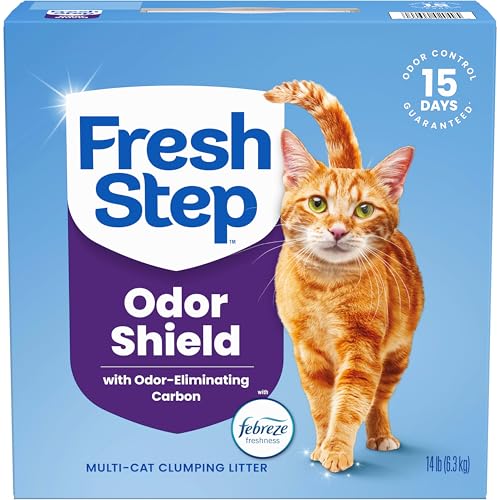
Full change frequency depends on your scooping routine and the number of cats using the pan. Multi-cat clay formulas with activated carbon, such as Fresh Step Advanced Heavy Duty, help manage odors between full turnovers. Scooping clumps daily keeps the remaining litter fresh for several weeks before a complete wash is necessary. Manufacturer instructions suggest maintaining a consistent three- to four-inch depth for optimal clumping.




Write Your Review
No reviews yet. Be the first to share your experience!