
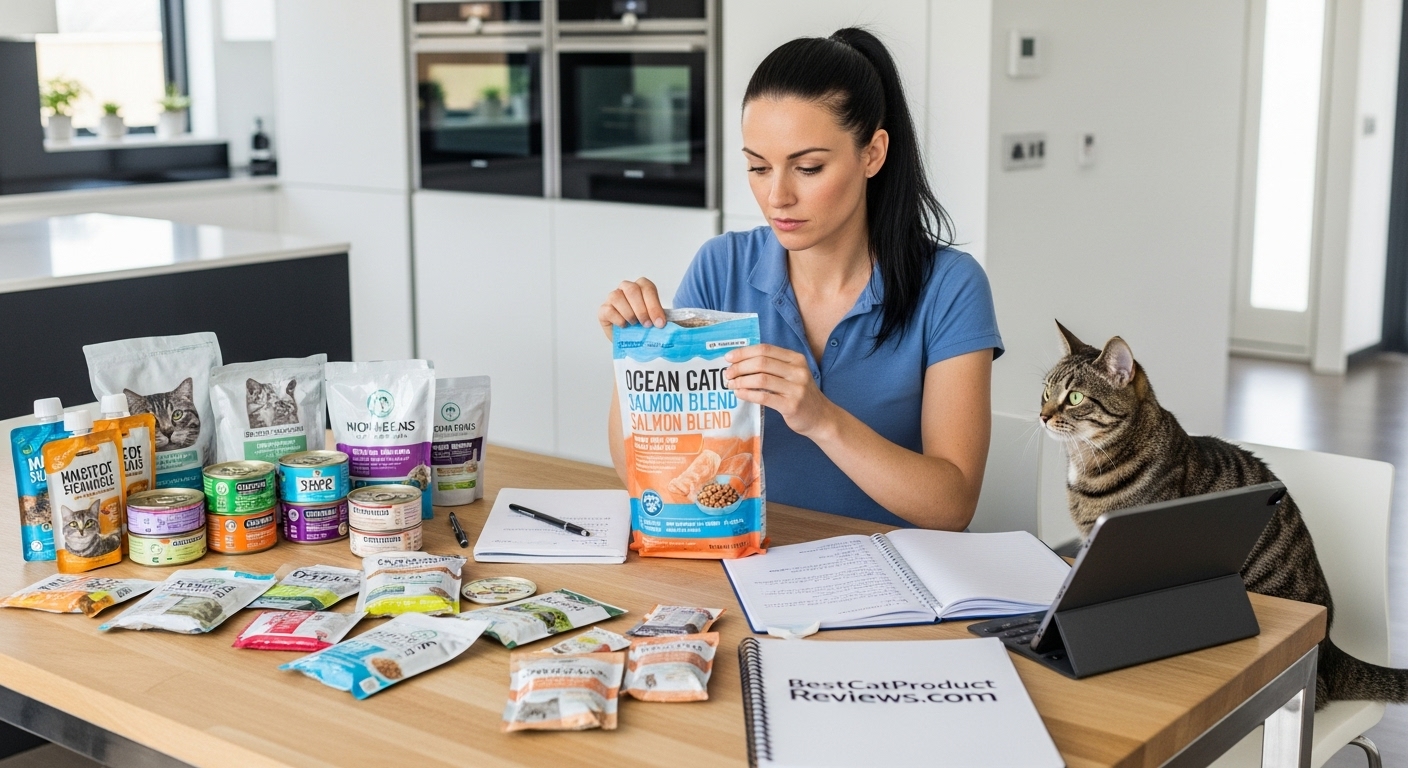

Unexplained scratching, patchy hair loss, and sudden dandruff often leave feline caregivers searching for answers across their daily routines. While environmental allergens or parasites frequently cause external discomfort, many pet parents wonder whether can cat food cause skin problems after noticing persistent scratching around the neck, face, and ears. An adverse food reaction can manifest dermatologically when a cat’s immune system or digestive tract reacts poorly to specific ingredients. Identifying whether a daily diet is behind your pet’s irritated coat requires understanding the difference between dietary intolerances and true protein allergies.
Evaluating your cat’s daily meals involves closely checking protein sources, essential fatty acid profiles, and overall nutrient balance. Caregivers exploring all-life-stages feeding options often find that adjusting moisture content and digestive fiber makes a tangible difference in everyday comfort. A diet formulated with targeted omegas and gentle proteins can help soothe reactive systems while maintaining comprehensive nutrition. Learning how feline biology interacts with commercial recipes allows you to make deliberate adjustments that support your companion’s skin barrier and coat vitality.
Pros
- Real deboned chicken provides high-quality protein without harsh fillers
- Prebiotic fiber helps firm up loose stools and control litter box odor
- High moisture content provides essential daily hydration for urinary support
- Pop-tab 3-ounce cans allow quick, mess-free portioning for single meals
Cons
- The 4-can pack size is small and may require frequent replenishment in multi-cat homes
- Picky cats sensitive to specific textures may require a slow transition period
- Only available in chicken flavor within this specific multi-pack option
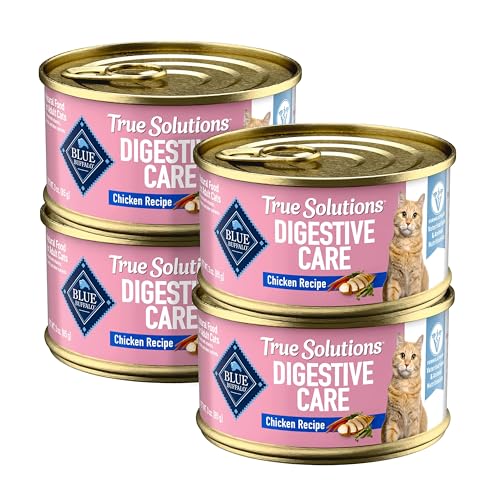
Blue Buffalo True Solutions Digestive Care Chicken Recipe is a specialized wet cat food designed to support felines with delicate digestion. Featuring real deboned chicken as the primary protein source, this recipe targets cats prone to loose stools, occasional vomiting, or sensitive digestive tracts. Packaged in practical 3-ounce pull-tab cans, this four-pack offers balanced daily nourishment enriched with prebiotic fiber, essential vitamins, and minerals to sustain healthy intestinal microflora.
This digestive formula suits adult cats across all breeds, making it particularly useful for indoor apartment cats, senior felines with sluggish digestion, and multi-cat households managing litter box odor issues. Cat parents caring for picky eaters or rescues recovering from dietary stress often find gentle poultry recipes helpful. While not intended as a replacement for prescription veterinary diets, it fits budget-conscious pet parents seeking veterinarian-formulated nutrition to address mild digestive sensitivities without clinical markups.
Digestibility directly impacts stool consistency and everyday litter box maintenance. With prebiotic fiber incorporated into the formula, this wet food aids nutrient absorption while helping firm up soft stools, which makes daily scooping much cleaner and reduces unpleasant odors in compact living spaces. The rich gravy and broth moisture naturally supplement water intake, promoting vital urinary tract health for cats that routinely avoid drinking from still water bowls or fountains.
True to standard Blue Buffalo formulations, this recipe avoids chicken or poultry byproduct meals, corn, wheat, soy, artificial flavors, and chemical preservatives. Animal nutritionists developed the meal using wholesome ingredients like chicken liver and dried egg product to provide easily accessible protein and crucial amino acids such as taurine. The smooth, palatable pate consistency also caters well to mature cats with sensitive gums or missing teeth who struggle with dry kibble.
Serving is straightforward thanks to the easy-open pop-top lids, reducing mealtime mess without requiring a can opener. Unused portions require simple refrigeration in an airtight container or under a reusable silicone pet food lid. A realistic limitation is the small four-count package size, which serves well as a trial run to test feline acceptance but necessitates frequent reordering for multi-cat households. As with any dietary shift, gradually transitioning over seven to ten days helps avoid sudden gastrointestinal upset.
For pet parents seeking a practical solution to digestive discomfort, Blue Buffalo True Solutions Digestive Care delivers a gentle, nutrient-dense meal option. It provides an effective balance of gut health support, clean hydration, and quality ingredients without relying on synthetic additives. Cat owners dealing with frequent tummy trouble or messy litter boxes will appreciate its targeted digestive support and dependable ingredient profile.
Digestive wellness serves as the foundation for overall feline vitality, energy levels, and immune resilience. The clinically proven prebiotic fiber in this formula feeds beneficial gut bacteria, which helps optimize nutrient absorption and balance the digestive tract. Cats suffering from frequent hairball regurgitation or sensitive stomach issues can benefit significantly from a gentle, moisture-dense food that moves smoothly through the gastrointestinal system.
In addition to gut support, the inclusion of taurine helps maintain sharp vision and a healthy heart, while balanced fatty acids support a soft coat and supple skin. The high moisture content also aids in kidney function and urinary health by keeping your cat consistently hydrated, which is a major advantage for indoor felines who consume little water on their own.
When introducing this food to your cat, a slow transition over a week to ten days is recommended to prevent stomach upset. Start by mixing approximately twenty-five percent of Blue Buffalo True Solutions with seventy-five percent of your cat's current food, gradually increasing the proportion of the new food every two to three days until the transition is complete.
For adult cats, feeding guidelines generally suggest feeding approximately two 3-ounce cans per six to eight pounds of body weight per day, adjusted as needed for your cat's age, activity level, and body condition. Always ensure clean, fresh drinking water is accessible at all times, and store opened cans in the refrigerator for up to three days.

Pros
- Reliable digestive support with prebiotic fiber helps minimize upset and maintain consistent stool quality
- Omega-6 fatty acids actively target dry, flaky skin and restore coat luster
- Significantly more budget-friendly than costly prescription sensitive stomach formulas
- Free from artificial dyes and artificial flavor additives
- Generous 13-pound bag provides great daily feeding value for multi-cat owners
Cons
- Formulated strictly for adult cats and is not suitable for growing kittens
- Dry kibble naturally lacks moisture, requiring pet parents to monitor daily water intake
- Contains poultry ingredients, so it is not suitable for cats with specific turkey or poultry allergies
Purina Cat Chow Gentle Sensitive Stomach & Skin is a complete and balanced dry cat food crafted specifically for adult felines prone to digestive sensitivity or dull coats. This recipe serves as a practical, wallet-friendly everyday staple for apartment dwellers, multi-cat households, and budget-conscious cat parents who want reliable gastrointestinal support without paying specialty clinic prices. Whether managing an indoor adult cat that frequently vomits dry kibble or caring for a mature cat whose stomach has grown delicate over time, this formula delivers gentle, targeted nutrition.
At the core of this formula is an easily digestible recipe paired with natural prebiotic fiber and real farm-raised turkey. Prebiotic fiber plays a key role in feeding beneficial gut bacteria, which helps stabilize stools and reduce the regurgitation incidents common in sensitive felines. In addition, the recipe incorporates omega-6 fatty acids to strengthen the natural skin barrier. Cats that suffer from seasonal flakiness, occasional itching, or rough fur can benefit from this targeted fatty acid profile that works from the inside out to restore a smooth, soft coat.
Unlike many standard grocery kibbles that rely on artificial dyes to create colorful morsels, Purina Cat Chow Gentle contains no artificial colors or artificial flavors. The kibble is carefully shaped for easy chewing and gentle breakdown, making it comfortable for fast eaters who tend to swallow their meals without chewing thoroughly. It is fortified with 25 essential vitamins and minerals, ensuring that your cat receives full nutritional support across vital organ function, immune defenses, and lean muscle maintenance.
Introducing this food into your routine is straightforward, though a standard seven to ten-day gradual transition is always recommended when managing sensitive digestive systems. Slowly mixing increasing amounts of this kibble with your cat's previous food gives gut flora ample time to adapt smoothly. The 13-pound bag offers a generous supply that stores easily in standard airtight pet food containers, keeping the kibble crunchy and aroma fresh between meals without taking up excessive pantry space in compact living areas.
While this formula offers dependable digestive relief for many felines, it is not a prescription hypoallergenic diet for severe medical food allergies, nor is it formulated for growing kittens who require higher calorie density. Additionally, because dry kibble has inherently low moisture, pairing it with fresh running water from a cat fountain helps maintain optimal urinary tract health. For pet parents seeking an affordable, easily accessible sensitive system food that supports comfortable digestion and a glossy coat, this 13-pound bag represents a dependable, balanced choice.
Purina Cat Chow Gentle is built on 100 percent complete and balanced nutrition for adult cat maintenance. The natural prebiotic fiber helps nurture delicate intestinal flora, facilitating smoother nutrient absorption and firmer, more consistent litter box cleanup for owners.
The balanced omega-6 fatty acids actively replenish the skin's lipid barrier, combating dander and soothing dryness from within. Fortified with 25 essential vitamins and minerals, this recipe supports overall vitality, immune defenses, and lean muscle mass while remaining gentle on delicate feline stomachs.

Pros
- Highly digestible formula that many cats with sensitive stomachs tolerate well, reducing vomiting
- Real duck and Arctic char as first ingredients appeal to cats and provide quality protein
- Includes taurine and vitamin A for vision and overall health, important for adult cats
- Convenient 24-pack of 3 oz cans is easy to portion and store
Cons
- Some cats may dislike the duck flavor, leading to food waste
- Can lids have sharp edges; care needed when opening to avoid cuts
- Premium pricing compared to standard wet cat foods, though justified by specialized formula
If your cat struggles with chronic digestive upset, itchy skin, or a dull coat, finding the right food can feel like a constant battle. The Purina Pro Plan Sensitive Skin and Stomach Wet Cat Food Variety Pack offers a science-backed solution tailored specifically for these issues. This pack includes 24 three-ounce cans split between two recipes: one featuring real duck and the other real Arctic char. Both are grain-free pate formulas designed to be gentle on the digestive system while nourishing the skin and coat from the inside out.
This variety pack is best suited for adult cats with known sensitivities, whether they experience frequent vomiting, loose stools, or dry, flaky skin. It is an excellent choice for senior cats whose digestive systems become more delicate with age, as well as for multi-cat households where one feline has special dietary needs. While it works for most healthy adult cats seeking a high-quality wet food, its primary strength lies in managing digestive and dermatological issues. New cat owners will appreciate the straightforward, vet-recommended approach to sensitive nutrition without needing to consult a specialist.
Real-world user feedback highlights remarkable results. Many cat owners report a significant reduction in vomiting and improved coat condition after switching to this food. One reviewer noted that her 15-year-old cat, who had been vomiting daily for years, finally found relief and became more active. Another mentioned that their cat's fur grew back, indicating a clear improvement in skin health. The natural prebiotic fiber and omega-6 fatty acids in the formula actively support digestive bacteria and skin barrier function, aligning with these positive outcomes. However, a minority of cats may reject the duck entree; one user reported that their cat vomited after eating it, but happily accepted the Arctic char. This suggests some individual taste preferences may require trial and error.
From a build quality perspective, Purina Pro Plan is a trusted brand with rigorous manufacturing standards. The food is produced in Purina-owned U.S. facilities, and the formula contains no artificial colors, preservatives, or fillers. Each can provides complete and balanced nutrition with taurine for heart and eye health, plus antioxidants for immune support. The pate texture is smooth and easy for cats to lap up, and the 3 oz size is perfect for single servings or mixing with dry food. One practical downside is the sharp edges on the can lids after opening, as several reviewers mentioned cutting their fingers. Using a can opener with a smooth edge or transferring the food to a bowl with a spoon can mitigate this risk.
Daily use is straightforward: feed one can per 3.5 to 4 pounds of body weight, divided into two or more meals. The variety pack adds convenience by allowing you to rotate flavors without buying separate cases. Storage is simple with the stackable cans, and the food maintains freshness when kept in a cool, dry place. Transitioning a cat to this food should be done gradually over 7-10 days to avoid further stomach upset. For picky eaters, mixing a small amount of their previous food with the new pate can encourage acceptance. While the price point is higher than standard grocery store brands, the specialized nutrition often reduces vet visits and medication costs, making it a worthwhile investment for sensitive cats.
In summary, the Purina Pro Plan Sensitive Skin and Stomach Wet Cat Food Variety Pack is a reliable, vet-formulated option for cats with digestive or skin sensitivities. It excels in reducing vomiting, improving coat quality, and providing balanced nutrition without artificial additives. Cat owners should be aware of potential flavor pickiness and the sharp can edges, but these are minor compared to the health benefits. Whether you are caring for a senior cat, a multi-cat household with one sensitive member, or a picky adult feline with chronic issues, this food offers a practical and effective solution. It is a strong recommendation for any cat owner prioritizing digestive health and skin nourishment through diet.

Pros
- Real chicken as the first ingredient provides high-quality protein for strong muscles and great taste.
- Grain-free, highly digestible formula with prebiotic fiber supports digestive health and soothes sensitive stomachs.
- Contains 25 essential vitamins and minerals, plus antioxidants and taurine for immune health and vision.
- Made in the USA with no artificial colors or preservatives, ensuring a clean, trustworthy ingredient list.
- Vet-recommended brand with a specialized formula that many cat owners report reduces vomiting and diarrhea.
Cons
- Premium pricing compared to standard wet cat foods, which may be a consideration for budget-conscious pet parents.
- Some cats may be picky about the pate texture, though most reviews indicate high acceptance.
- Pack of 24 cans may take up significant pantry space for those with limited storage.
Purina Pro Plan Sensitive Skin and Sensitive Stomach Wet Cat Food Pate in Grain Free Chicken Entree is a specialized canned cat food designed for adult cats with digestive sensitivities and skin issues. This 24-pack of 3-ounce cans offers a complete and balanced meal that prioritizes gentle nutrition without sacrificing taste or quality. It is an excellent choice for cat owners who have noticed their feline friends struggling with vomiting, diarrhea, or a dull coat, and want a reliable, vet-recommended solution.
This wet food is particularly well-suited for new cat owners who want to start their pet on a high-quality diet, as well as experienced cat parents dealing with a sensitive cat. It is also a great option for senior cat caregivers, since older cats often develop digestive sensitivities. Multi-cat households may find this formula helpful if one or more cats have stomach issues, and it can be a thoughtful gift for cat lovers who prioritize their pet's health. The grain-free recipe and limited ingredient list make it a safe choice for cats with food allergies or intolerances.
In terms of real-world performance, user reviews consistently highlight significant improvements in digestive health. Many cat owners report that their cats stopped vomiting, had firmer stools, and experienced less gas after switching to this food. The pate texture is soft and easy to mash, which is helpful for senior cats or those with dental issues. The formula also supports skin and coat health, with several reviewers noting a shinier, healthier coat. The inclusion of antioxidants and taurine supports immune function and vision, making it a well-rounded option for overall wellness.
Build quality is a strong point for Purina Pro Plan. The food is manufactured in the USA at Purina-owned facilities, ensuring strict quality control. The ingredient list is clean, with no corn, wheat, soy, artificial colors, or preservatives. The pate has a smooth, soft texture that is easy for cats to eat and digest. Each can is portioned for convenience, and the pack of 24 provides a good supply for multi-cat households or for stocking up. The brand is backed by a team of over 500 scientists and is recommended by veterinarians, adding to its credibility.
Ease of use is straightforward: simply open the can and serve. The pate can be easily mashed for cats that prefer a smoother texture or for mixing with dry food. Storage is simple, as the cans are stackable and have a long shelf life. Cleaning up is minimal, as the food is served directly from the can. Some cat owners may find the price point higher than standard wet foods, but many feel the health benefits justify the cost. The subscribe and save option on Amazon can help reduce the price for regular buyers.
Realistic limitations include the premium pricing, which may be a concern for budget-conscious pet parents. Additionally, while most cats accept the pate texture, a few picky eaters may prefer chunkier varieties. The 3-ounce cans are small, so larger cats or multi-cat households may need multiple cans per feeding. Overall, this is a highly recommended product for cat owners seeking a gentle, nutritious wet food that addresses sensitive stomachs and skin. It is especially suitable for senior cats, cats with known digestive issues, and owners who prioritize high-quality ingredients and veterinary backing.

Pros
- Prebiotic fiber formula helps ease digestive distress and firm up loose stool
- Omega-6s and vitamin E actively support coat shine and reduce dry skin discomfort
- Moisture-rich canned format delivers vital hydration for kidney and urinary health
- Pre-portioned 2.9 oz cans make daily portion control straightforward and mess-free
- Veterinarian-recommended brand trusted across American pet households
Cons
- Higher price point compared to standard grocery store wet cat foods
- Smaller 2.9-ounce cans may require feeding multiple cans daily in multi-cat households
- Finicky felines may require a gradual texture transition if switching from dry kibble
Hill's Science Diet Sensitive Stomach and Skin Wet Cat Food is a specialized canned formula engineered to address common feline digestive upsets and dermatological irritations. Packaged in a case of twenty-four 2.9-ounce cans, this wet food targets adult felines struggling with occasional vomiting, loose stools, dry skin, or coat dullness. For apartment pet parents and busy households, having a reliable, vet-recommended recipe ready in single-serve portions takes the stress out of managing daily meal routines.
This formula suits a wide spectrum of owners, particularly pet parents caring for rescue cats with sensitive bellies, indoor cats prone to digestive distress, and senior cats requiring gentler, highly digestible fare. Multi-cat households often find that switching a sensitive feline to this recipe reduces unpleasant litter box odors and minimizes cleanup accidents on carpets. It also appeals to cat lovers who want to prioritize preventative nutritional wellness without needing a veterinary prescription.
According to product specifications and user feedback, the highly digestible ingredients allow felines to absorb vital nutrients efficiently while soothing sensitive digestive tracts. The inclusion of prebiotic fiber fuels beneficial gut bacteria, which helps normalize bowel movements and keep litter box maintenance manageable. At the same time, the balanced blend of omega-6 fatty acids and vitamin E works to relieve dry, itchy skin and restore a lustrous sheen to the coat. Feeding canned food also delivers essential moisture, encouraging hydration in cats that habitually avoid still water bowls.
Practicality is evident in the packaging and manufacturing standards. Each 2.9-ounce can features an easy-open pull tab that eliminates the need for can openers, making morning feedings quick and clean. The compact can size aids accurate portion control, helping owners prevent excessive weight gain while ensuring meals stay fresh without lingering in the refrigerator. Made in the United States using dependable global ingredients, this formula reflects rigorous safety checks and nutritional integrity backed by widespread veterinary recommendations.
While the benefits are significant, there are a few practical considerations to keep in mind. The smaller 2.9-ounce can size means multi-cat owners or caregivers of large breed cats will go through cases quickly, resulting in higher recurring food expenses. Additionally, cats can be notoriously selective about texture changes. Pet parents should transition their feline companions gradually over seven to ten days, mixing small amounts of this wet food into the current diet to prevent initial food refusal or sudden dietary shock.
For cat owners dealing with messy litter boxes, recurring tummy troubles, or excessive scratching due to dry skin, Hill's Science Diet Sensitive Stomach and Skin offers a reliable, well-formulated daily solution. It delivers noticeable digestive balance and coat comfort within a convenient, portion-controlled package, making it an excellent investment for pet parents dedicated to long-term feline vitality.
The targeted blend of prebiotic fiber promotes a thriving gut microbiome, which helps stabilize loose stool and reduce foul-smelling litter box odors. By improving digestion, cats are able to absorb essential nutrients more efficiently.
Omega-6 fatty acids and vitamin E work together to soothe dry, irritated feline skin, reducing excessive scratching while promoting a softer, glossier coat. The moisture-rich wet formula also supports feline urinary health by boosting daily water consumption.
The 2.9-ounce can size provides practical portion management for adult cats, preventing overfeeding and minimizing leftover canned food that can dry out in the dish. It can be served as a complete meal or mixed with dry kibble to enhance mealtime interest.
When introducing this food to your cat, veterinarians recommend a gradual transition over a 7-day period. Gradually increase the proportion of the new sensitive stomach food while decreasing the old diet to ensure optimal digestive comfort and avoid stomach upset.

Pros
- Real whitefish as the first ingredient appeals to picky eaters and provides quality protein
- Omega-3 fatty acids promote healthier skin and a glossier coat, as noted in user reviews
- Poultry-free recipe is a great option for cats with chicken allergies or sensitivities
- Wet food texture adds hydration to your cat's diet, supporting urinary tract health
- Trusted Blue Buffalo brand with a focus on natural, wholesome ingredients
Cons
- Some cats may have digestive sensitivity to fish-based recipes; introduce gradually
- Premium pricing compared to standard wet cat foods may not suit all budgets
- Fish flavor might not appeal to every cat, especially those accustomed to poultry
If your cat struggles with a dull coat, dry skin, or you simply want to provide the best nutrition for their overall health, the Blue Buffalo True Solutions Skin & Coat Care Wet Cat Food is a targeted option worth considering. This wet food is formulated specifically to support skin and coat health, using real whitefish as the first ingredient and a blend of omega-3 fatty acids. It's a natural, poultry-free recipe that comes in a convenient 24-pack of 3-ounce cans, making it easy to incorporate into your cat's daily routine.
Based on user feedback, many cat owners have seen noticeable improvements in their cat's coat texture and skin condition after feeding this food. The high moisture content is another major plus - it helps ensure your cat stays hydrated, which is especially important for cats who don't drink enough water on their own. This feature is particularly beneficial for indoor cats or those prone to urinary issues. Several reviewers mentioned that even cats with poultry allergies or sensitive stomachs tolerated this food well, though every cat is different.
From a build and ingredient quality standpoint, Blue Buffalo leans heavily on natural, wholesome ingredients. This recipe contains no chicken or poultry by-products, no corn, wheat, or soy, and no artificial flavors or preservatives. It's developed by a team of PhD animal nutritionists and veterinarians, which adds credibility to its health claims. The whitefish provides a high-quality protein source that's rich in omega-3s, which are known to support skin health and reduce inflammation.
Feeding this food is straightforward: simply open a can and serve. The 3-ounce size is ideal for portion control, and you can easily adjust the amount based on your cat's weight and activity level. Any unused food should be refrigerated and used within a day or two. Many cat owners find it works well as a topper for dry food, or as a complete meal. The packaging is standard for wet cat food, with pull-tab lids for easy opening.
Of course, no product works for every cat. Some cats may not enjoy the fish flavor, and there have been occasional reports of digestive upset, especially when switching abruptly. It's always a good idea to transition slowly over a week. Also, this is a premium food, so it's priced higher than many grocery store brands. However, for cat owners who prioritize skin and coat health or need a poultry-free option, this Blue Buffalo recipe offers a solid, vet-formulated choice that delivers on its promises.
The Blue Buffalo True Solutions Skin & Coat Care formula is designed to address specific health needs related to your cat's skin and fur. The key ingredient, whitefish, is a high-quality protein that's rich in omega-3 fatty acids, which help reduce inflammation and support a healthy skin barrier. Omega-3s are also known to promote a softer, shinier coat and may reduce excessive shedding over time.
In addition to omega-3s, this wet food provides essential moisture that can aid in kidney and urinary tract health. Many cats don't drink enough still water, so incorporating wet food is an easy way to boost their daily fluid intake. The recipe is free from common allergens like chicken, corn, wheat, and soy, making it a safe option for cats with food sensitivities or allergies.
The formula is also low in carbohydrates and high in protein, which aligns with a cat's natural carnivorous diet. This can help maintain a healthy weight and muscle mass, especially for indoor cats. Overall, this food supports inner and outer health, from the skin to the immune system.

Pros
- High-quality, limited-ingredient recipe with real mackerel as the first ingredient.
- Grain-free and gluten-free, making it a good option for cats with food sensitivities.
- Very hydrating gravy texture that picky eaters and senior cats often enjoy.
- Ethical brand commitment to biodiversity restoration adds value for socially conscious buyers.
Cons
- Small can size (1.77 oz) may not be cost-effective for multi-cat households or cats with large appetites.
- Some cats may not enjoy the flaked texture or mackerel flavor, as it can be strong-smelling.
- Premium price point compared to standard wet cat foods, especially given the small serving size.
Almo Nature Supportive Formulas Cat Skin & Coat Support Formula is a wet cat food designed to promote a healthy coat and skin through the inclusion of fish oil as a source of omega-3 fatty acids, along with vitamins C and E. This flaked mackerel in gravy recipe comes in a case of six 1.77-ounce cans, making it a convenient option for cat owners looking to supplement their cat's diet with a high-moisture, grain-free meal.
This food is best suited for adult cats of all life stages, including picky eaters, senior cats, and those with sensitive stomachs or skin issues. New cat owners will appreciate the simplicity of a single-protein, limited-ingredient recipe, while experienced cat parents may find it a reliable choice for cats who need extra hydration or coat support. The small can size also makes it a practical option for treating or introducing a new flavor without committing to a larger quantity.
Based on product specifications and user feedback, the real-world performance of this food is notable for its high moisture content, which can help with hydration, especially for senior cats or those prone to urinary issues. The flaked mackerel in gravy texture is often well-received by cats who enjoy a wet, soupy consistency, and the lack of grains, gluten, by-product meals, and artificial additives makes it a clean choice for cats with food sensitivities. Some users report that even picky eaters finish every drop, while others mention that their cats with allergies or stomach issues improved after switching to this formula.
Build quality is focused on ingredient purity and ethical sourcing. The food is free from carrageenan, hormones, artificial flavors, and preservatives. Almo Nature also emphasizes its commitment to biodiversity restoration, donating 100% of revenue (after expenses and taxes) to this cause, which may appeal to environmentally conscious buyers. The cans are sturdy but can be difficult to open, according to some reviews, and the product is manufactured in Thailand, which may raise concerns about shipping emissions for some consumers.
In terms of daily use, the small can size is convenient for portion control but may require multiple cans per meal for larger cats or multi-cat households. The food should be refrigerated after opening and consumed within one day, which is manageable for single-cat homes but less practical for those with multiple cats. Cleaning up is straightforward, as the gravy-based food doesn't leave stubborn residue in bowls.
Realistic limitations include the premium price per ounce compared to standard wet foods, which may not suit budget-conscious pet parents. Some cats may not enjoy the mackerel flavor or the flaked texture, and the small can size means this is best used as a supplement, treat, or for cats with small appetites. Overall, this is a strong recommendation for cat owners who prioritize ingredient quality, ethical production, and hydration support, especially for senior or picky cats. For multi-cat households or those on a tight budget, it may be better suited as an occasional topper rather than a primary food source.
Understanding Diet-Related Skin Reactions and Dietary Solutions
Dietary components can directly trigger adverse skin reactions in cats through immune-mediated allergies or non-allergic food intolerances. When a feline body misidentifies a harmless dietary protein as a foreign threat, inflammatory mediators release into the bloodstream and concentrate heavily in cutaneous tissue. This biological response leads to localized irritation, intense itching, and chronic overgrooming across vulnerable areas like the head and neck. Understanding how food influences feline dermatology provides the clarity needed to address persistent discomfort before severe skin trauma develops.
The Biological Mechanism: How Diet Influences Feline Skin
Adverse cutaneous food reactions develop when a cat’s immune defenses interact negatively with ingested nutrients. In a true food allergy, specialized immune cells produce antibodies against specific dietary proteins that pass through the intestinal wall. These antibodies trigger the release of histamine and other inflammatory compounds directly into the dermal layers. The resulting inflammation manifests as intense pruritus, which compels the cat to lick, scratch, and chew at its fur relentlessly.
Food intolerances operate through non-immune pathways but produce outward symptoms that look remarkably similar to true allergies. A cat may struggle to digest certain compounds due to enzyme deficiencies, sensitive mucosal barriers, or irritation from specific dietary fats. When digestion falters, unabsorbed nutrients ferment in the gastrointestinal tract and generate metabolic byproducts that disrupt systemic wellness. Over time, chronic low-grade intestinal distress weakens the overall epidermal barrier and leaves the coat prone to dryness and flaking.
Individual sensitivity thresholds vary dramatically from one animal to another. A cat might tolerate a specific recipe for several years before suddenly developing an adverse cutaneous response without warning. Repeated daily exposure to the same primary protein source often serves as the underlying prerequisite for immunological sensitization. Recognizing that diet can disrupt the skin barrier helps caregivers investigate daily meals alongside typical external causes like seasonal irritants or fleas.
Recognizing Cutaneous Symptoms Versus Digestive Upset
Identifying food-induced skin disorders begins with recognizing the hallmark patterns of feline dermatological distress. Unlike dogs, who frequently develop foot-licking habits or ear canal infections, cats with dietary allergies predominantly show severe pruritus around the face, ears, and neck. Affected felines often scratch these regions until small crusts and open sores develop. Caregivers may observe patchy alopecia, reddened dermal plaques, or widespread scabbing known clinically as miliary dermatitis.
Overgrooming serves as another primary behavioral indicator of underlying cutaneous discomfort. When constant burning sensations bother a cat’s skin, the animal frequently licks its flanks, lower belly, and inner thighs down to the bare stubble. Managing this persistent grooming behavior may require using gentle grooming tools for cat coat care to prevent broken hairs from collecting into painful mats around irritated skin. Regular inspections of your pet’s coat texture and skin coloration can reveal microscopic abrasions before secondary bacterial infections take hold.
Cutaneous reactions frequently coincide with subtle gastrointestinal signs, though skin problems can also appear entirely on their own. Some cats experience intermittent vomiting of bile, loose stools, or excessive flatulence alongside their itchy skin patches. When both skin and digestive issues occur simultaneously, dietary factors become the prime suspect for systemic sensitivity. Tracking both litter box consistency and scratching frequency provides valuable context when evaluating whether a dietary change is warranted.
Common Dietary Culprits: Proteins, Additives, and Fillers
Intact animal proteins represent the overwhelming majority of recognized dietary triggers in feline food allergies. Felines are obligate carnivores that require high levels of dietary protein, which exposes their gastrointestinal tracts to substantial amounts of complex macromolecules daily. Chicken, beef, and dairy products are among the most frequently documented allergens simply because they appear ubiquitously across commercial feline formulations. Fish proteins can also trigger reactions in certain individuals despite their widespread popularity in feline recipes.
Secondary ingredients and common formulation additives can also provoke digestive and cutaneous sensitivity. Artificial colorings, chemical preservatives, and binding agents sometimes irritate delicate mucosal linings in sensitive cats. Formulas like Purina Cat Chow Gentle Sensitive Stomach & Skin avoid artificial colors and flavors, which helps eliminate unnecessary non-nutritional variables from the cat’s daily intake. Selecting recipes that focus on identifiable, purposeful ingredients reduces the likelihood of encountering unexpected irritants.
Carbohydrate sources and grain fractions receive significant attention from cat owners, although true grain allergies remain statistically rare in felines. Grains such as corn, wheat, and soy can occasionally cause digestive hesitation or soft stools in cats with sensitive tracts. While eliminating grains may improve stool firmness or digestion in certain pets, switching to grain-free food does not automatically guarantee resolution of allergic skin reactions. The primary protein source remains the critical factor that dictates whether an immune-mediated skin flare occurs.
The Role of Omega Fatty Acids in Epidermal Health
Essential fatty acids serve as the fundamental building blocks for a resilient feline epidermal moisture barrier. Omega-3 fatty acids, particularly eicosapentaenoic acid (EPA) and docosahexaenoic acid (DHA), possess natural anti-inflammatory properties that help modulate cutaneous reactivity. Diets enriched with fish oil, such as almo nature Supportive Formulas Cat Skin & Coat, deliver concentrated omega-3s directly to dermal tissues. These fatty acids compete with inflammatory arachidonic acid pathways, helping to decrease localized swelling and soothe persistent itch signals.
Omega-6 fatty acids play an equally vital role by maintaining the structural cohesion of the outer epidermal layer. Linoleic acid is an essential omega-6 fatty acid that cats cannot synthesize efficiently on their own, making dietary intake mandatory for survival. Products like Hill’s Science Diet Sensitive Stomach & Skin Wet incorporate balanced omega-6 fatty acids alongside vitamin E to nourish the hair follicles and prevent transepidermal water loss. Without sufficient dietary linoleic acid, feline skin becomes brittle, prone to micro-cracks, and highly susceptible to secondary environmental irritants.
Maintaining a precise balance between omega-3 and omega-6 fatty acids is necessary for sustained coat shine and skin suppleness. Excessive omega-6 intake without adequate omega-3 counterbalance can potentially tilt cellular pathways toward an inflammatory state. Conversely, high-quality specialized formulations calibrate these polyunsaturated fats to support skin cell turnover without overwhelming digestive processing. Checking that your selected formula explicitly highlights these vital fatty acids ensures baseline cellular support for irritated skin.
The Gut-Skin Axis and the Power of Prebiotic Fibers
The biological link between gut microflora and skin barrier integrity is known as the gut-skin axis. A thriving, diverse gastrointestinal microbiome supports balanced immune responses throughout the entire feline body. When harmful intestinal bacteria outnumber beneficial species, the intestinal mucosal lining can become more permeable than normal. This increased permeability allows larger protein fragments to enter systemic circulation, where they may stimulate inflammatory reactions that surface on the skin.
Prebiotic dietary fiber plays an indispensable role in nourishing beneficial gut bacteria like Bifidobacteria and Lactobacilli. Formulas such as Purina Pro Plan Sensitive Skin and Sensitive use chicory root as a natural source of prebiotic fiber to maintain digestive equilibrium. As these fibers ferment in the colon, they produce short-chain fatty acids that fortify the intestinal wall and regulate immune signaling. Supporting gastrointestinal ecology from the inside out frequently produces noticeable improvements in external coat quality and skin comfort.
Highly digestible carbohydrate and fiber blends also prevent undigested food matter from stagnating in the digestive tract. Products like Blue Buffalo True Solutions Digestive Care Chicken utilize clinically supported prebiotic fibers to maintain stool firmness and gentle digestion in reactive felines. When nutrients are broken down and absorbed efficiently, the digestive system expends less metabolic energy managing inflammation. A calm, functional digestive environment translates directly into calmer, less reactive dermal tissue over time.
Comparing Wet and Dry Formulations for Sensitive Skin
Moisture content represents one of the most substantial operational differences between wet canned food and dry kibble. Traditional dry kibbles usually contain around ten percent moisture, whereas canned wet foods routinely provide upwards of seventy-five percent water. Because cats possess a naturally low thirst drive inherited from desert ancestors, they often live in a state of borderline hydration when fed exclusively dry kibble. Adequate systemic hydration supports plumper dermal cells, improved elasticity, and more efficient flushing of metabolic waste products.
Dry foods offer undeniable feeding convenience, shelf stability, and concentrated caloric density for busy multi-cat households. Options like Purina Cat Chow Gentle provide complete and balanced nutrition with added omega fatty acids in an easily measured kibble format. Dry recipes also allow for free-feeding routines in homes where wet food would spoil quickly at room temperature. However, caregivers relying on dry food must actively monitor water consumption to ensure the cat maintains adequate systemic hydration for healthy skin turnover.
Wet food excels at delivering intense hydration while offering soft, palatable textures for cats with finicky appetites or sensitive mouths. Formulas like Blue Buffalo True Solutions Skin & Coat Care Wet combine real whitefish with high moisture content to nourish skin tissues while encouraging steady fluid intake. The pate or flaked textures also make it simple to blend in additional water or vet-approved supplements if needed. Many pet parents find success with a mixed-feeding approach that captures the benefits of both food formats without complicating daily routines.
Evaluating Dedicated Sensitive Skin and Stomach Recipes
Dedicated sensitive skin and stomach diets are formulated specifically to minimize common dietary stressors while optimizing nutrient absorption. Manufacturers typically select easily digestible single proteins or novel animal proteins that a cat may not have encountered previously. For example, Purina Pro Plan Sensitive Skin and Stomach Wet Cat features alternative protein sources like duck and Arctic char within a grain-free recipe. Introducing less common protein sources helps circumvent established antibody responses that cause persistent head and neck scratching.
Exploring lines like specialized Blue Buffalo cat food shows how manufacturers combine single novel proteins with strict ingredient exclusions. These recipes frequently eliminate corn, wheat, soy, and poultry by-product meals to reduce potential gastrointestinal friction. By focusing on clean, identifiable protein bases like deboned whitefish or farm-raised turkey, these formulas reduce overall allergen exposure. The inclusion of antioxidants and balanced vitamins further supports the immune system in maintaining a normal inflammatory baseline.
When evaluating these specialized commercial recipes, reading the guaranteed analysis and nutritional adequacy statement remains essential. Ensure that any product selected is labeled as complete and balanced for your cat’s specific adult maintenance stage. Products formulated for dual skin and digestive support provide a practical starting point for cats exhibiting mild, non-emergency irritation. Comparing ingredient lists helps you select recipes with simple, transparent compositions that avoid unlisted mystery meats or vague animal derivatives.
Navigating Elimination Diets and Safe Food Transitions
Diagnosing an adverse food reaction accurately requires a systematic, controlled feeding approach rather than rapid, erratic food switching. A formal food trial involves feeding a strictly controlled novel-protein diet or hydrolyzed-protein diet for a minimum of eight to twelve weeks. During this testing window, every other edible item must be completely eliminated from the cat’s daily routine. That means all commercial treats, table scraps, flavored medications, and lickable toppers must be paused to prevent accidental contamination.
Introducing any new dietary recipe requires a deliberate, gradual transition schedule to prevent acute gastrointestinal upset. Abruptly swapping from one food brand to another can trigger nausea, vomiting, and severe diarrhea that confuses the diagnostic picture. Caregivers should slowly mix increasing proportions of the new formula with the old food over a span of seven to ten days. This gradual integration gives the intestinal microbiome adequate time to adjust to new protein structures and fiber ratios without triggering digestive distress.
Maintaining detailed observation logs during any dietary transition provides clear clarity on whether symptoms are truly resolving. Note changes in scratching frequency, coat glossiness, skin flake presence, and daily stool consistency throughout the trial weeks. Skin lesions often take six to eight weeks of strict compliance to show visible healing because dermal cell turnover is a slow biological process. Consistency and patience remain the cornerstones of uncovering whether daily food is the true culprit behind your cat’s discomfort.
When to Seek Veterinary Evaluation for Chronic Itching
Severe or worsening skin reactions demand professional veterinary diagnosis before you attempt ongoing dietary experimentation at home. Open sores, oozing scabs, foul odor, or localized heat on the skin indicate secondary bacterial or fungal infections that require prescription antimicrobial therapy. A veterinarian must rule out external parasites like fleas, lice, and mites, as flea allergy dermatitis is statistically far more common than food allergies. Environmental atopy caused by pollens, dust mites, or household molds also produces symptoms that closely mimic dietary sensitivities.
Veterinarians can conduct diagnostic skin scrapings, cytology swabs, and wood’s lamp examinations to systematically eliminate non-dietary causes. If non-dietary irritants are ruled out, your clinician can help guide an evidence-based elimination trial using prescription veterinary formulations if commercial options prove insufficient. Self-managing chronic skin disease without medical guidance risks prolonging your pet’s physical distress while allowing treatable infections to spread. Professional diagnostics ensure that you are treating the true underlying condition rather than guessing at potential dietary solutions.
Dietary management serves as a powerful, non-invasive method for restoring skin integrity once true food sensitivities or digestive inefficiencies are identified. Selecting complete and balanced recipes rich in omega fatty acids, prebiotic fibers, and easily digestible proteins provides long-term foundational comfort for reactive felines. By pairing targeted commercial nutrition with vigilant daily monitoring, caregivers can help their feline companions enjoy calm skin and healthy coats. Attentive feeding practices create a stable digestive and dermatological environment where cats can truly thrive without persistent irritation.


Write Your Review
No reviews yet. Be the first to share your experience!