


Finding the right diet for a sick or recovering feline companion often leads pet parents to therapeutic nutrition formulas. When a veterinarian recommends a specialized therapeutic formula, many owners wonder whether do you need a prescription for hill’s prescription cat food before placing an order. These veterinary formulas target targeted health issues ranging from urinary tract crystals to severe gastrointestinal sensitivities. Navigating the checkout process can feel confusing if you are accustomed to buying standard grocery kibble or exploring budget-friendly cat food choices for routine feeding. Understanding retailer rules and clinic policies saves time and ensures your cat gets appropriate nutritional support without delay.
Therapeutic pet foods occupy a distinctive space in modern feline health care because they feature clinically tailored nutrient profiles. While these recipes do not contain pharmaceutical drugs, retailers enforce strict verification steps to protect your pet. Feeding a specialized formula without ongoing veterinary supervision can occasionally mask underlying symptoms or unbalance a healthy feline system. Learning how authorization works helps you manage recurring refills smoothly through trusted pet pharmacies or neighborhood veterinary practices. This practical guide walks you through legal definitions, purchasing procedures, and the specific purposes behind top formulas.

Pros
- Proven clinical effectiveness based on veterinary research and thousands of positive user reviews
- Carefully balanced mineral levels help prevent both struvite and calcium oxalate crystal formation
- Highly palatable; most cats accept it well even during transitions, based on buyer feedback
- Resealable bag packaging helps maintain freshness and makes storage convenient for everyday use
Cons
- Higher price point compared to standard cat foods, which can add up for multi-cat households or long-term feeding
- Requires a veterinarian's approval and prescription, so not suitable for casual purchase without prior consultation
- Some cats may need a gradual 7-day transition to avoid digestive upset, especially if switching from a different diet
Hill's Prescription Diet c/d Multicare Urinary Care with Chicken Dry Cat Food is a veterinary-formulated diet designed to support urinary health in adult cats. It is specifically indicated for cats prone to struvite and calcium oxalate crystals, urinary tract infections, and blockages. This product is a dry kibble option that combines clinical nutrition with high-quality ingredients to help manage and prevent recurring urinary issues.
This food is best suited for cat owners whose pets have been diagnosed with urinary conditions by a veterinarian. It is especially relevant for multi-cat households with male cats, who are at higher risk for blockages, as well as for budget-conscious pet parents looking to avoid expensive emergency vet visits. New cat owners should consult their vet before use, as this is a prescription diet that requires professional guidance.
Based on user reviews and product specifications, this food demonstrates strong real-world performance. Many cat owners report that their cats experienced fewer urinary symptoms and that existing crystals or stones dissolved without surgery. The kibble is described as palatable, with cats often accepting it readily even if they are picky eaters. The food promotes a healthy urine pH and reduces the mineral building blocks that lead to crystal formation. Additionally, the inclusion of omega-3 fatty acids and antioxidants supports overall well-being.
Build quality is high, with Hill's being a trusted brand in veterinary nutrition. The food is made in the USA with global ingredients and undergoes rigorous quality control. The bag is resealable, which helps maintain freshness and makes daily feeding easy. Portion control is straightforward using the feeding guide on the package, and the dry formula is convenient for free-feeding setups in multi-cat homes.
Cleaning and maintenance are minimal since this is a dry food. Owners simply scoop the desired amount and store the bag in a cool, dry place. Transitioning from another food should be done over 7 days to minimize digestive upset. A realistic limitation is the cost; it is more expensive than standard cat foods, and it requires a vet prescription. Some cats previously on high-carbohydrate diets may take time to adjust to the lower carbohydrate profile of this food.
Overall, this is a highly effective dietary solution for cats with urinary health concerns. It combines clinical evidence with practical feeding convenience, making it a strong recommendation for any cat owner whose vet has advised a urinary care diet. While the price is higher, the potential savings from avoiding urinary blockages and surgeries often justify the investment. For cats with no urinary issues, this food is not necessary and may be unnecessarily restrictive.

Pros
- Clinically proven nutrition to reduce urinary signs by 89% according to the product description
- High moisture content helps keep cats hydrated, which is crucial for urinary tract health
- Cats generally accept the chicken and vegetable stew flavor well, based on user feedback
- Formulated by veterinary nutritionists and recommended by vets for long-term urinary care
- Supports both struvite dissolution and calcium oxalate prevention in a single diet
Cons
- Requires a veterinarian's prescription, adding an extra step for purchase
- Premium pricing may be a concern for budget-conscious cat owners
- Some users report the small 2.9 oz cans are smaller than expected, requiring multiple cans per day for larger cats
Hill's Prescription Diet c/d Multicare Urinary Care Chicken & Vegetable Stew Wet Cat Food is a veterinary-exclusive diet designed for cats with urinary health concerns. This wet food comes in a 24-pack of 2.9 oz cans and is intended for adult cats who have a history of urinary crystals, stones, or blockages. It is a therapeutic food that requires a prescription from a veterinarian, ensuring it is used under professional guidance.
This product is best suited for cat owners who are managing their cat's urinary health, particularly those with cats prone to struvite or calcium oxalate crystals. It can be a good option for multi-cat households where one or more cats need a urinary support diet, although all cats in the home should be evaluated by a vet. Senior cats and indoor cats, who may be more sedentary and prone to urinary issues, can also benefit from this moisture-rich formula.
According to the product description, this formula is tested to lower the recurrence of common urinary signs by 89%. It works by promoting a desirable urine pH and controlling levels of key minerals like magnesium, calcium, and phosphorus. The stew texture provides extra moisture, which is important for diluting urine and reducing crystal formation. Many user reviews mention that their cats accepted the chicken and vegetable stew flavor well, even finicky eaters, though some note the texture is soft rather than chunky.
Build quality focuses on ingredient sourcing and nutritional science. The food is made in the USA with global ingredients, and it includes added antioxidants, potassium citrate, and omega-3 fatty acids for overall health. There is no grain-free claim or artificial preservatives mentioned, but the design is purely functional for urinary care. The cans are easy to open and stack for storage, but some users note the cans are smaller than typical wet food sizes, so larger cats may need two or more per day.
Daily use is straightforward: serve as directed by your vet, typically dividing a can into one or two meals. Transitioning from old food over 7 days is recommended to avoid digestive upset. Cleaning is simple since it is just a canned food, but storing opened cans in the refrigerator is necessary. One realistic limitation is the price, which is higher than over-the-counter foods. Additionally, some users reported shipping damage where cans arrived dented, so packaging during delivery might be a concern.
Overall, this is a practical choice for cat owners who need a reliable, vet-recommended urinary diet. It may not suit every cat's taste, and the prescription requirement adds a step, but for cats with recurrent urinary problems, this food offers targeted support. If your vet recommends it, it is worth trying for the potential health benefits and peace of mind.

Pros
- Vet-recommended and clinically proven to manage food sensitivities and improve digestive health.
- Hydrolyzed formula significantly reduces vomiting and itching in sensitive cats.
- High digestibility ensures nutrients are absorbed efficiently.
- Contains prebiotics for a healthy gut microbiome and better stool quality.
- Trusted brand with consistent quality and U.S. manufacturing.
Cons
- Requires a veterinary prescription, which may be inconvenient for some owners.
- Premium pricing compared to standard cat foods, but necessary for therapeutic benefits.
- Some cats may be hesitant to accept the taste initially and need a gradual transition.
Hill's Prescription Diet z/d Hydrolyzed Dry Cat Food is a specialized veterinary diet crafted for cats with food sensitivities. It features hydrolyzed proteins that are broken down into tiny pieces, making them less likely to trigger the immune system. This makes it an excellent choice for cats suffering from chronic vomiting, diarrhea, or skin issues linked to adverse food reactions. According to user reviews, many cats experience dramatic improvements in their comfort and well-being after switching to this formula.
This diet is particularly suited for senior cats, multi-cat households where one cat has sensitivities, and indoor cats prone to allergies. It is also a top recommendation for cat owners who have tried various foods without success. The formula includes a proprietary blend of prebiotic fibers, ActivBiome+, which rapidly activates the gut microbiome to support digestive health and improve stool quality. Combined with omega fatty acids, it helps maintain a healthy skin barrier and reduces itching.
Performance-wise, many cat owners report that their cats stop vomiting within days, and coat condition improves noticeably. The kibble size is described as manageable for all ages, and the food is well-digested. However, some picky eaters may initially refuse the food due to its altered protein structure, so a slow transition mixed with their old food is recommended. The product also supports urinary health by reducing the risk of struvite and calcium oxalate crystals.
Build quality and safety are strong points: the food is made in the USA with globally sourced ingredients, and it is formulated by Hill's nutritionists and veterinarians. The bag features a resealable top to maintain freshness, and the packaging includes clear feeding instructions and storage guidelines. It is designed for long-term feeding under veterinary guidance, making it a reliable staple for cats with chronic conditions.
Practical use is straightforward: you need a prescription from your vet, then you can order it directly from Amazon. It is easy to store in a cool, dry place. The main limitation is the cost, which is higher than standard cat foods, but many owners find it worth the investment for their cat's health. Some users note that the food may not appeal to all cats, but with patience, most adapt.
Overall, Hill's Prescription Diet z/d Hydrolyzed Dry Cat Food is a top-tier solution for cats with diagnosed food sensitivities. It delivers on its promises of reducing skin and digestive issues, and the prebiotic technology adds extra digestive support. If your veterinarian recommends it, this product is a trustworthy choice that can dramatically improve your cat's quality of life.
This hydrolyzed diet is specifically formulated to address adverse food reactions, which are common causes of chronic vomiting, diarrhea, and itchy skin in cats. By using proteins that are too small for the immune system to detect, it effectively eliminates food-related triggers. The addition of ActivBiome+ prebiotics supports a balanced gut microbiome, leading to better digestion and more consistent stool quality. Omega-3 and -6 fatty acids nourish the skin and coat, while antioxidants boost the immune system. Additionally, the diet promotes a urinary environment that helps prevent crystal formation.
Hill's Prescription Diet z/d is a complete and balanced diet for adult cats. It is designed to be fed long-term under veterinary supervision. The kibble is dry and can be served alone or mixed with wet food from the same line. Feeding amounts should be adjusted based on your cat's weight and condition, as per the package guidelines or your vet's advice. Always provide fresh water. A gradual transition over 7 days is recommended to maximize acceptance. The food should be stored in a cool, dry place to maintain freshness.

Pros
- High calorie density allows sick or weak cats to receive full nutritional support from smaller meal portions
- Smooth consistency is simple to mix with warm water for stress-free syringe or assisted feeding
- Strong, enticing scent encourages reluctant or picky eaters to resume self-feeding after hospital stays
- Veterinarian-formulated blend rich in targeted nutrients that assist cellular repair and immune defense
Cons
- Requires veterinary authorization or a valid prescription prior to retail purchase
- High-fat therapeutic profile makes it unsuitable for long-term daily maintenance in healthy cats
- Priced higher per can than standard commercial canned cat foods
Hill's Prescription Diet a/d Urgent Care Canned Food is a specialized therapeutic diet formulated specifically for cats and dogs recovering from serious medical conditions, physical trauma, or surgical procedures. For cat owners dealing with an unwell feline, ensuring adequate calorie and nutrient intake is one of the most stressful challenges. This wet food serves as a concentrated nutritional intervention, providing high levels of digestible protein and metabolizable energy in compact portion sizes so cats do not need to consume massive volumes to sustain their body weight.
This recovery formula is particularly suited for senior cat caregivers managing sudden weight drops, owners caring for pets post-surgery, multi-cat households supporting a sick family member, and pet parents assisting cats through periods of anorexia or hepatic lipidosis recovery. When a cat feels nauseated or fatigued, standard dry kibble or regular pate is often rejected. The rich, enticing aroma of this wet food works to awaken a dormant appetite, helping coax reluctant eaters back toward independent bowl feeding.
A standout feature of this formula is its workable texture. The uniform, smooth pate can be served as-is, mixed with warm water into a gravy, or thinned down into a smooth slurry that passes freely through feeding syringes without clogging. Many cat parents find this flexibility crucial when syringe feeding is medically necessary. Because every spoonful delivers substantial caloric value alongside high-quality fats, cats receive the critical fuel needed to avoid muscle wasting and support tissue regeneration during rest.
Nutritionally, the recipe provides elevated levels of B vitamins and potassium to help replenish reserves that quickly deplete during metabolic stress. Added zinc and clinically proven antioxidants work together to bolster immune defenses and aid wound healing. By using highly digestible ingredients, the food minimizes gastrointestinal workload, which is vital for pets with sensitive or compromised digestive systems.
Preparing and serving this food is straightforward. Unopened cans store neatly in the pantry, and opened cans should be covered and kept refrigerated for freshness. Serving the food slightly warmed often enhances the natural aroma, which can further encourage a hesitant cat to take a few bites. Leftover food left out in the bowl should be removed promptly to maintain sanitary conditions, especially around recovering pets.
While this diet is an exceptional tool for acute care, pet owners should remember that it requires veterinary authorization and is not designed for routine maintenance once a cat has fully regained health. For any caregiver nursing a cat through an injury, illness, or post-operative convalescence under veterinary guidance, this therapeutic food offers reliable nutritional peace of mind.
Hill's Prescription Diet a/d Urgent Care provides an energy-dense nutritional profile centered on highly digestible animal protein and fats. This high caloric concentration ensures that cats struggling with nausea or reduced stomach capacity can meet their daily caloric requirements through smaller, frequent feedings.
The pate is easily modified with warm water to create whatever consistency your cat accepts best. Whether feeding directly from a low-profile dish, offering small bites by finger, or using a veterinary-approved feeding syringe, the food maintains a smooth, uniform texture that makes assisted feeding significantly less stressful for both pet and owner.
During recovery from surgery or acute illness, a cat's body requires increased micronutrient support to repair damaged tissue and sustain vital organ function. This formula incorporates increased levels of potassium, zinc, and B vitamins to replenish nutrients lost during physical distress and to stimulate energy metabolism.
Additionally, clinically proven antioxidants provide vital support to the feline immune system, helping protect cells against oxidative stress. By helping maintain lean body mass and providing sustained cellular nutrition, this wet food actively aids the body's natural recuperative processes.

Pros
- Clinically proven to reduce urinary sign recurrence by 89%, giving owners confidence in its effectiveness
- Formulated under veterinary guidance to support balanced urine pH and stone dissolution
- Chicken recipe is generally well-accepted by most cats, even those with sensitive palates
- Dry kibble is convenient for portion control, storage, and long-term feeding without spoilage
Cons
- Requires a veterinarian's prescription, so you need to consult your vet before purchasing
- Price is higher than standard non-prescription cat foods, which may be a consideration for budget-conscious pet parents
- Some cats may not prefer the taste or texture of dry food, especially if accustomed to wet diets
Hill's Prescription Diet c/d Multicare Urinary Care Dry Cat Food is a specially formulated veterinary diet designed to manage and support feline urinary health. This chicken-flavored dry kibble is created by Hill's nutritionists and veterinarians to address common urinary issues such as struvite stones, calcium oxalate crystals, and inappropriate urine pH. It is a prescription-only food, meaning a veterinarian's recommendation is required before purchase, ensuring that the diet is tailored to your cat's specific medical needs.
This product is best suited for adult cats with a history of urinary tract problems, including recurring crystals or blockages. It may also be ideal for senior cats who are more prone to urinary issues or for multi-cat households where one cat requires a specialized diet while others can also benefit from the balanced nutrition. New cat owners dealing with a urinary diagnosis will find this diet a reliable, vet-backed solution that simplifies daily care.
In terms of performance, the formula is clinically tested to lower the recurrence of most common urinary signs by 89%, and it can dissolve struvite stones in as little as 7 days (average 27 days). By promoting a urine pH that discourages crystal formation, it helps create an environment that reduces the risk of both struvite and calcium oxalate crystals. Many cat owners report improved urinary health when switching to this food, though individual results may vary.
The build quality of Hill's Prescription Diet is backed by rigorous research and veterinary input. The dry kibble is made with quality ingredients, and the chicken flavor is designed to be palatable for most cats. The 4 lb bag is convenient for single-cat households or for trying out the diet, but larger bags are available for long-term use and multi-cat homes. Storage is straightforward with the resealable bag, helping maintain freshness.
One realistic limitation is the prescription requirement, which adds an extra step and cost for a vet consultation. Also, some cats accustomed to wet food may find dry kibble less appealing, although the chicken flavor is generally well-liked. The price point is higher than regular cat foods, but for cats with chronic urinary issues, the health benefits often justify the investment.
Overall, Hill's Prescription Diet c/d Multicare Urinary Care Dry Cat Food is a practical and trusted choice for cat owners who need a reliable, vet-recommended solution for urinary health. If your veterinarian has diagnosed your cat with urinary issues, this diet is worth serious consideration as part of a comprehensive care plan.

Understanding Veterinary Authorization and Hill’s Diet Formulations
The short answer to whether you need veterinary authorization is yes, retailers will require approval before releasing these products. While the term prescription suggests a pharmaceutical drug, therapeutic cat food is regulated under distinct pet food guidelines. Hill’s Pet Nutrition uses the registered trademark Prescription Diet to designate specialized therapeutic recipes designed for specific clinical needs. Consequently, reputable pet supply companies and pharmacies require a valid recommendation from a licensed veterinarian before completing your transaction. This policy safeguards feline health by preventing inappropriate dietary choices.
The Difference Between Medical Prescriptions and Diet Authorization
The Food and Drug Administration does not classify therapeutic pet food as a regulated drug containing synthetic chemical compounds. Instead, therapeutic feline diets consist of food ingredients modified in precise nutritional ratios to support specific physiological functions. Hill’s Pet Nutrition holds a trademark on the specific phrase Prescription Diet, which often leads to common consumer confusion. Because the food is formulated to address diagnosed medical conditions, manufacturers establish voluntary distribution agreements with veterinary clinics and licensed pet retailers. These distribution controls ensure that pets receive targeted formulas only under direct professional supervision.
State pharmacy boards and veterinary licensing agencies support this controlled retail process to prevent feline nutritional mismanagement. When you add a therapeutic bag or can to an online cart, the retailer contacts your veterinary clinic directly for verification. The clinic confirms that your cat has an active patient chart and that the specified formula matches the prescribed treatment plan. Without this clinical checkpoint, well-meaning pet parents might select a formula that contradicts their cat’s current metabolic needs. The process functions essentially like a medical prescription in retail practice, even if the legal classification differs under food labeling statutes.
Why Therapeutic Cat Foods Require Professional Veterinary Guidance
Commercial feline diets formulated for general maintenance are built around standard adult maintenance nutrient profiles. In contrast, therapeutic diets adjust essential minerals, amino acids, fats, and moisture levels far beyond conventional over-the-counter baselines. Feeding a diet that alters urinary acidity or drastically restricts dietary protein can harm a cat that does not have the corresponding medical condition. For instance, a diet engineered to dissolve specific urinary stones might prove inappropriate for a growing kitten or a senior cat with advanced kidney issues. Regular veterinary monitoring ensures the selected nutritional intervention continues to produce safe, positive outcomes.
Routine physical examinations and laboratory blood panels allow your veterinarian to track how your cat responds to dietary therapy. Chronic conditions such as pancreatitis, inflammatory bowel disease, and crystal formation require ongoing adjustments over time. When a cat thrives on standard everyday feline vitality food options, strict nutrient restrictions are usually unnecessary. However, when systemic health declines, precise clinical nutrition becomes an indispensable part of your pet’s long-term management strategy. Professional oversight guarantees that changes in body condition, hydration, and organ function are addressed promptly.
How to Obtain and Submit Veterinary Approval Online
Purchasing therapeutic cat food online is a straightforward process once your veterinary clinic has established an official treatment plan. Most major online pet supply retailers prompt you to input your clinic’s name, phone number, and address during checkout. The retailer’s pharmacy department then faxes or electronically transmits an authorization request directly to your veterinarian. Alternatively, some clinics provide a written authorization form or digital client portal document that you can upload directly to the retail website. Most approvals are processed within one to two business days, allowing recurring shipments to proceed smoothly.
Maintaining an active veterinarian-client-patient relationship, commonly abbreviated as a VCPR, is legally required for ongoing authorizations. In most veterinary jurisdictions, a clinical authorization remains valid for up to twelve months from the date of your cat’s last physical exam. If your annual exam lapses, your veterinarian cannot legally renew the food authorization until they evaluate your pet’s current health status. Planning annual wellness appointments well before your current food supply runs out avoids unexpected delivery delays. Once your clinic approves the renewal, automated subscription deliveries can resume without interruption.
Managing Urinary Tract Health with Hill’s Prescription Diet c/d Multicare
Feline lower urinary tract issues represent one of the most frequent reasons veterinarians recommend therapeutic diets. The Hill’s Prescription Diet c/d Multicare Urinary formula is developed to reduce the recurrence of common urinary signs by eighty-nine percent according to manufacturer testing. This specialized chicken dry cat food features controlled levels of dietary magnesium, calcium, and phosphorus to limit crystal formation. Additionally, the formula dissolves sterile struvite stones in as little as seven days, with an average dissolution time of twenty-seven days. It also promotes a desirable urinary pH to discourage both struvite and calcium oxalate crystal growth.
Urinary management often benefits from combining crunchy kibble with high-moisture canned foods to increase overall daily fluid intake. Offering the Hill’s Prescription Diet c/d Multicare Urinary chicken and vegetable stew wet cat food delivers valuable hydration alongside clinical urinary support. Cats dealing with urinary discomfort also respond favorably to a peaceful living space, which can include an enriching cat tree condo to minimize environmental stress triggers. For households managing smaller feeding quantities or single-cat spaces, the Hill’s Prescription Diet c/d Multicare Urinary four-pound bag provides convenient fresh portions. Consistent, lifelong feeding of c/d formulas prevents the painful mineral imbalances that trigger recurring blockages.
Restoring Digestive Balance with Hill’s Prescription Diet i/d Digestive Care
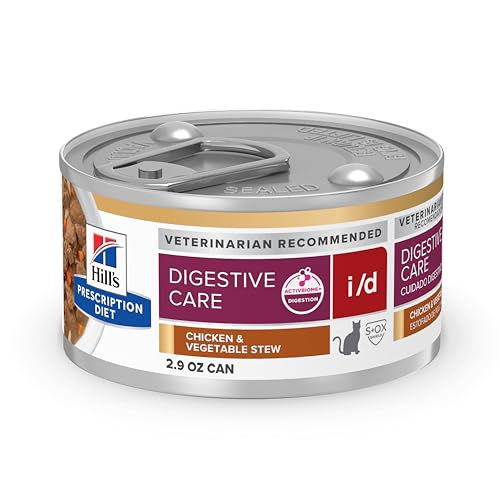
Gastrointestinal distress in felines often presents as vomiting, liquid diarrhea, sudden weight loss, or persistent food refusal. The Hill’s Prescription Diet i/d Digestive Care Wet formula is engineered to settle acute digestive upsets and noticeably improve stool consistency. This canned recipe utilizes highly digestible proteins and fats that allow inflamed intestinal tracts to absorb critical nutrients with minimal metabolic effort. It also incorporates Hill’s proprietary ActivBiome+ Digestion technology, which blends active prebiotic fibers to nourish beneficial gut microbes. Elevated levels of B vitamins and essential electrolytes quickly replenish nutrients lost during bouts of illness.
Many recovering cats appreciate having access to crunchy dry food once their initial digestive symptoms begin to stabilize. The Hill’s Prescription Diet i/d Digestive Care Dry recipe delivers the same microbiome-supporting prebiotics and digestible nutrient profile in a shelf-stable kibble format. Both wet and dry variations include added antioxidants to reinforce immune defenses alongside Omega-3 and Omega-6 fatty acids for coat support. Furthermore, this formula features the proprietary S+OXSHIELD standard, promoting a urinary environment that discourages struvite and calcium oxalate crystal formation. Your veterinarian can determine whether short-term feeding during recovery or long-term gastrointestinal maintenance is appropriate.
Addressing Severe Food Sensitivities with Hydrolyzed Protein z/d
Adverse food reactions in cats often manifest as chronic skin itching, hair loss, ear infections, or unexplained digestive turmoil. The Hill’s Prescription Diet z/d Skin/Food hydrolyzed dry cat food targets these uncomfortable issues by altering protein structures. In this specialized diet, intact animal proteins are broken down into microscopic peptides that the feline immune system cannot easily detect. By bypassing immune recognition, the hydrolyzed formula helps reduce chronic scratching and supports healthy gastrointestinal absorption. It provides a reliable diagnostic and therapeutic solution for pets suspected of having dietary protein allergies.
Eliminating common food allergens requires strict adherence to the prescribed hydrolyzed diet without accidental exposure to unapproved table scraps or standard treats. The z/d formula enriches the feline epidermal layer with generous levels of essential Omega-3 and Omega-6 fatty acids to restore damaged skin barriers. It also integrates ActivBiome+ prebiotic fiber technology to cultivate balanced gut microflora and promote firm, well-formed stools. Continued feeding under professional direction minimizes the frequency of painful flare-ups and secondary skin infections. Your veterinarian will typically recommend an initial trial period of several weeks before evaluating clinical improvement.
Critical Recovery and Assisted Nutrition with Hill’s Prescription Diet a/d
Cats recovering from invasive surgical procedures, severe trauma, or debilitating illnesses often suffer from acute appetite loss. The Hill’s Prescription Diet a/d Urgent Care Wet Dog and cat food provides concentrated caloric density in a silky, highly palatable pâté. This unique formulation delivers easily digestible proteins and fats to supply elevated energy needs when cats consume only tiny portions. Its smooth, moist consistency allows for easy bowl feeding, gentle spoon feeding, or smooth administration through an assisted syringe. Increased levels of zinc, potassium, and B vitamins actively support tissue repair and cellular recovery.
Appetite stimulation is vital because prolonged fasting in felines can quickly lead to hepatic lipidosis, a dangerous liver condition. The rich aroma and smooth texture of the a/d formula encourage reluctant eaters to resume voluntary food consumption during critical periods. Clinically proven antioxidants support delicate immune function during post-operative healing and systemic illness. Because this recipe is intensely energy-dense and nutrient-rich, it is formulated strictly for temporary recuperative feeding rather than lifelong maintenance. Your veterinarian will advise you on the exact daily volume to feed and when to transition back to your cat’s standard diet.
Transitioning to Therapeutic Foods and Practical Storage Tips
Switching a cat abruptly from an over-the-counter diet to a therapeutic formula can occasionally cause refusal or minor stomach upset. Felines possess sensitive scent and taste preferences, making a gradual introduction over seven to ten days highly recommended. You can begin by blending a tiny portion of the new therapeutic food with your cat’s familiar existing meal. Slowly increase the proportion of the therapeutic recipe each day while gradually reducing the previous food until the transition is complete. If your cat resists the new flavor, consult your veterinarian for practical feeding techniques before abandoning the therapeutic plan.
Proper storage preserves the taste, aromatic oils, and active nutrients inside every bag or can of specialized food. Dry kibble should remain inside its original barrier bag with the top sealed tightly, stored in a cool, dry pantry away from sunlight. Keeping the original bag also preserves the lot code and expiration date should your veterinarian ever need manufacturing details. Opened canned foods require immediate refrigeration covered with an airtight silicone lid and should typically be consumed within several days. Serving refrigerated wet food at room temperature or slightly warmed can dramatically improve aroma and palatability for finicky eaters.
What to Do If Your Prescription Authorization Is Delayed or Denied
Encountering a delay in food authorization can cause anxiety when your pet is running low on their daily therapeutic meal. The most common cause of retail delay is mismatched clinic contact information or an expired annual wellness examination on file. If an online retailer cannot reach your veterinary clinic within several days, contacting the clinic receptionist directly often speeds up the response. Many clinics are happy to approve electronic pharmacy faxes immediately once you inform them of your pending order. Alternatively, you can purchase a single bag or several cans directly from your local clinic to bridge the gap.
If your veterinarian denies an authorization request, it usually means your pet requires an updated clinical evaluation or a change in dietary strategy. Underlying health conditions can shift as cats mature, making a previous urinary, renal, or digestive formula less suitable than before. Scheduling an in-person physical exam and discussing your cat’s current symptoms ensures the medical chart matches their immediate needs. Never attempt to bypass authorization by buying unverified bags from third-party auction sellers, as counterfeit or improperly stored products carry safety risks. Trusting open communication with your veterinary team keeps your cat safe, nourished, and properly supported throughout their life.
Securing authorization for Hill’s Prescription Diet cat food is ultimately a protective measure designed to keep feline patients safe and thriving. While the checkout verification process adds an extra administrative step compared to grocery shopping, the targeted clinical benefits justify the effort. Working closely with your veterinarian ensures that recipes like c/d Multicare, i/d Digestive Care, z/d Sensitivities, or a/d Urgent Care match your cat’s precise physiological needs. Maintaining an active annual clinic relationship guarantees seamless renewals whenever you reorder your pet’s specialized nutrition. With proper authorization in place, you can confidently support your cat’s health journey with clinically formulated dietary care.


Write Your Review
No reviews yet. Be the first to share your experience!