


Many cat owners notice that the rich scent of fish immediately catches feline attention, which often prompts questions about how to make cat food with tuna at home. While cats frequently crave seafood proteins, feline nutritional biology requires a delicate balance of amino acids, minerals, and vitamins that plain fish simply cannot provide on its own. Pet parents looking into home preparation must distinguish between an occasional savory reward and a daily feeding plan that supports long-term vitality. Reviewing trusted guidelines and budget-friendly cat food options can prevent common nutrient gaps while satisfying your cat’s selective palate.
Preparing homemade meals requires careful consideration of essential nutrients such as taurine, calcium, and thiamine, which can degrade during cooking or be absent in plain fish fillets. When exploring how to make cat food with tuna, owners also need to understand how commercial complete formulas differ from supplemental broths and mixers. Balancing these homemade culinary efforts with reliable prepared meals ensures that your companion receives comprehensive nourishment without digestive stress. Learning the proper preparation techniques, ingredient ratios, and safe storage practices makes feeding tuna both rewarding and nutritionally sound.

Pros
- High-quality protein from real tuna supports lean muscle maintenance
- Light gravy texture entices cats who refuse pate or chunks
- Complete nutrition with added vitamins and minerals for overall health
- Manufactured in the USA with responsibly sourced ingredients
- Cost-effective when purchased in a 24-can pack
Cons
- Limited to one flavor - tuna - which may not suit cats who prefer variety
- Gravy style can be slightly messier than pate for some feeders
- Calorie content is lower than some pate varieties, which may require larger portions for active cats
The Purina Fancy Feast Grilled Tuna Feast in Gravy is a wet cat food designed to deliver both taste and nutrition in every meal. This product features slow-cooked, tender cuts of real tuna complemented by a light, savory gravy. It comes in a convenient pack of 24 3-ounce cans, making it a practical option for cat owners looking to provide consistent, high-quality meals without frequent trips to the store.
This food is best suited for adult cats, especially those that are picky eaters or have sensitive stomachs. Many cat owners report that the grilled texture and gravy appeal even to finicky felines. Senior cats also seem to enjoy this formula because the tender texture is easy to chew and digest. While it is not specifically formulated for kittens, the manufacturer's directions indicate that kittens can be fed up to twice the adult amount. Multi-cat households will appreciate the 24-pack size for daily feeding without running out too quickly.
Based on product specifications and user feedback, the performance of this cat food is strong in terms of cat acceptance. The combination of real tuna and gravy creates an enticing aroma and flavor that many cats find irresistible. Nutritionally, it provides 100% complete and balanced nutrition for adult cats, including essential vitamins and minerals to support whole-body health. The slow-cooking process helps retain the natural flavors and textures that cats crave.
Build quality is a highlight of this product. Fancy Feast is a well-known brand under Purina, and this recipe is made in U.S. facilities using responsibly sourced ingredients. It contains no artificial colors or preservatives, which gives owners peace of mind. The 3-ounce can size is easy to open and portion out, and the cans stack neatly for storage. Each case is packed securely to prevent damage during shipping, as noted in several positive delivery reviews.
In terms of daily use, this cat food is straightforward. Simply open a can, spoon the food into your cat's bowl, and serve. The gravy adds moisture, which can help support your cat's hydration. Leftovers should be refrigerated and used within a few days. The only realistic limitation is that this pack offers only one flavor - tuna. For cats that enjoy variety, you might need to order additional flavors separately. Also, some owners note that the gravy texture can be slightly messier than pate, but most find it manageable.
Overall, this is a reliable choice for cat owners seeking a nutritious, tasty wet food that satisfies even the pickiest palates. The 24-pack offers excellent value, especially for multi-cat homes or those who prefer to buy in bulk. If your cat enjoys tuna and gravies, this Fancy Feast variety is well worth trying. It is a practical, everyday option that balances quality, taste, and convenience for American pet parents.

Pros
- Simple, limited ingredient list with real tuna and salmon as the first protein source.
- Grain-free and free from artificial additives, appealing to health-conscious cat owners.
- High moisture content in broth helps support hydration, especially for cats that don't drink enough water.
- B Corp certification adds an ethical dimension for environmentally aware buyers.
- Many user reviews highlight high palatability, even for picky eaters and multi-cat households.
Cons
- Some users mention the broth quantity could be more generous for their liking.
- Priced at a premium compared to standard grocery store cat foods, which may not suit all budgets.
- As a complementary food, it is not a complete and balanced diet on its own, requiring pairing with a complete food.
Reveal Natural Wet Canned Cat Food in Tuna Fillet with Salmon in Broth is a grain-free, limited ingredient wet food designed for adult cats. This 24-pack of 2.47 oz cans focuses on simplicity, using real tuna and salmon as the first ingredients, with no artificial colors, flavors, or preservatives. It is best suited for cat owners who prioritize natural, high-protein nutrition and want to avoid fillers and grains, especially those with picky eaters or multi-cat households.
Many cat owners report that even the fussiest felines eagerly come running at mealtime, which speaks to the palatability of this recipe. The broth-based texture not only adds flavor but also helps increase your cat's moisture intake, a key benefit for cats that don't drink enough water on their own. This can be particularly helpful for indoor cats or those prone to urinary issues. The limited ingredient list also makes it a good option for cats with food sensitivities or those on a grain-free diet.
From a build quality perspective, Reveal uses 100% natural ingredients with no artificial preservatives, colors, or flavors. The brand's B Corp certification since 2021 adds an extra layer of trust for owners who value ethical and sustainable production. Each 2.47 oz can is easy to open and portion-controlled, making it simple to serve as a meal topper or a standalone treat. The broth-based texture is designed to be hydrating, and many cats seem to enjoy the shreds of real fish.
In terms of daily use, this food is straightforward to serve. Simply open a can, spoon out the desired amount, and serve at room temperature. It can be fed alone as a complementary meal or mixed with dry kibble to add moisture and flavor. The small can size is convenient for portion control, though some users have noted that the broth could be more abundant. Cleaning up is easy, as the cans are recyclable and any uneaten food can be stored in the fridge for a short time.
One realistic limitation is that this food is not a complete and balanced diet on its own, so it should be paired with a complete wet or dry food to ensure your cat gets all necessary nutrients. Additionally, the premium price point may be a consideration for budget-conscious pet parents. However, many users feel the quality of ingredients and the enthusiastic response from their cats justify the cost.
Overall, Reveal Natural Wet Canned Cat Food is a strong choice for cat owners who want a simple, high-protein, grain-free option that encourages hydration. It works well for picky eaters, multi-cat households, and those looking for a natural, limited ingredient diet. While it requires pairing with a complete food and comes at a higher price, the positive user feedback and ethical brand practices make it a worthwhile consideration for health-focused cat parents.


Pros
- High-quality, natural ingredients with visible chunks of real meat or fish.
- Limited ingredient list reduces risk of allergens and fillers.
- Great for hydration due to the gravy base, especially for cats that don't drink enough water.
- Pleasant natural smell compared to many other wet cat foods.
- Variety of flavors helps prevent mealtime boredom for picky eaters.
Cons
- Some cats may refuse certain flavors, particularly chicken, as noted in reviews.
- Contains carrageenan and locust bean gum, which may cause digestive issues in sensitive cats.
- Labeled as a topper or supplement, not a complete balanced diet for long-term feeding.
Reveal Natural Wet Cat Food is a premium wet cat food designed for cat owners who prioritize natural, limited-ingredient nutrition. This variety pack includes 12 cans of 2.47 oz each, featuring three flavors: Real Tuna Fillet, Tuna with Salmon, and Chicken Breast in Gravy. The product is grain-free and made with real protein as the first ingredient, aligning with a cat's carnivorous dietary needs.
This food is best suited for new cat owners looking for a simple, high-quality wet food, as well as experienced cat parents who want to supplement their cat's diet with extra moisture and protein. It works well in multi-cat households, where each cat may have different preferences, thanks to the variety pack. However, it is not a complete diet and should be used as a topper or mixed with complete food, according to the manufacturer's directions.
In terms of cat acceptance, many owners report that even fussy felines eagerly devour the tuna and salmon flavors, though some cats may turn up their noses at chicken. The food's texture is visible real meat flakes in a savory gravy, which looks and smells more like real food than many processed alternatives. This can help with hydration, as the gravy encourages cats to take in more water, potentially reducing the risk of urinary tract issues.
Build quality focuses on ingredient sourcing. The brand uses natural ingredients without artificial additives, and it holds B Corp certification, reflecting a commitment to ethical practices. However, some users have noted the presence of carrageenan and locust bean gum in the ingredient list, which can be problematic for cats with sensitive stomachs. The packaging is standard BPA-free cans with easy-open lids for convenience.
Feeding and cleaning are straightforward. Simply serve at room temperature, and the cans are easy to open and dispose of. The food does not require any special preparation, and leftovers can be refrigerated. One limitation is the small can size (2.47 oz), which may require multiple cans per day for larger cats, raising the cost compared to larger cans.
Overall, Reveal Natural Wet Cat Food is a reliable choice for cat owners who want a natural, grain-free topper or supplement. It's especially valuable for those concerned about hydration and ingredient transparency. However, budget-conscious pet parents and those with cats sensitive to gums should weigh the cost and ingredient list against their needs. For most healthy cats, this variety pack offers a tasty, high-quality addition to mealtime.
Reveal Natural Wet Cat Food is designed as a complementary food, not a complete diet. Feed up to 1-2 cans per day along with a complete wet or dry cat food to ensure balanced nutrition. The high moisture content of the gravy makes it an excellent choice for increasing your cat's water intake, which supports kidney and urinary tract health. Always provide fresh drinking water. The limited ingredient list with real protein as the first ingredient helps maintain lean muscle mass and supports a healthy coat. This food is suitable for all life stages, from kittens to seniors, but portion sizes should be adjusted based on your cat's weight and activity level. For cats with allergies or sensitivities, check the full ingredient list for carrageenan and locust bean gum, which may cause digestive upset in some individuals.
Reveal's natural, limited ingredient formulation supports overall feline health. The grain-free recipe reduces the risk of food sensitivities and provides a protein-rich diet that aligns with a cat's natural carnivorous diet. The high moisture content from the gravy helps prevent dehydration, a common issue in cats that can lead to urinary tract problems and kidney disease. Real protein as the first ingredient supports muscle maintenance and energy levels. The absence of artificial colors, flavors, and preservatives means fewer potential toxins in your cat's diet. While not a cure-all, this food can be a valuable part of a health-conscious feeding routine, especially for cats that need extra hydration or are picky about their food. Always consult your veterinarian before making significant dietary changes, particularly for cats with existing health conditions.
A Comprehensive Guide to Tuna-Based Feline Nutrition and Preparation
Understanding how to make cat food with tuna begins with recognizing that fish cannot serve as a solitary food source for felines. While cats find the strong scent and savory taste of tuna intensely appealing, feeding plain fish without proper nutritional fortification leads to severe dietary deficiencies. Feline caregivers must combine raw or cooked fish with specific minerals, vitamins, and amino acids to sustain daily metabolic health. Approaching home preparation with an understanding of essential feline biology ensures your cat enjoys seafood flavors safely.
The Biological Reality of Tuna in Feline Diets
Domestic cats are obligate carnivores with specialized metabolic pathways that demand high levels of animal-derived protein and specific micronutrients. Plain tuna muscle provides substantial protein and moisture, but it lacks vital minerals like calcium and essential amino sulfonic acids like taurine. In commercial manufacturing, nutritionists adjust the mineral profile so that the calcium-to-phosphorus ratio remains appropriate for skeletal and renal maintenance. Without these precise additions, a diet based primarily on pure fish meat can rapidly deplete skeletal calcium reserves.
Another biological consideration involves the concentration of polyunsaturated fatty acids found in marine fish. While omega-3 fatty acids offer notable nutritional benefits, an excess of unsaturated fats without corresponding antioxidants accelerates the oxidation of cellular lipids. This oxidative stress can lead to painful inflammatory conditions of the body fat, historically known as yellow fat disease or steatitis. Balancing any fish meal with adequate alpha-tocopherol, or vitamin E, provides the necessary protection against internal lipid peroxidation.
Additionally, tuna contains naturally occurring heavy metals that accumulate higher in the marine food chain. Feeding tuna daily as the primary calorie source increases long-term exposure to these trace elements compared to terrestrial protein sources like poultry or rabbit. For pet parents researching balanced cat nutrition formulas, alternating protein types reduces cumulative exposure while keeping mealtime engaging. Using tuna as an intentional component rather than an exclusive staple protects overall organ health over time.
Navigating Complete Meals versus Supplemental Toppers
Evaluating commercial labels clarifies the critical distinction between complete diets and supplemental feeding products. A complete and balanced wet food, such as Purina Fancy Feast Grilled Wet Cat Food Tuna Feast, contains deliberate vitamin and mineral premixes formulated to meet established feline maintenance profiles. The manufacturer designs this slow-cooked recipe with tender cuts in savory gravy to satisfy daily nutritional requirements on its own. In contrast, home-cooked tuna recipes that omit nutritional premixes fall squarely into the complementary category.
Complementary products highlight the growing demand for simple, limited-ingredient feeding formats. For example, Reveal Natural Wet Canned Cat Food Tuna Fillet with Salmon in Broth utilizes whole, natural ingredients without artificial additives, but it serves primarily as a complementary dish or hydrating mixer. These recipes provide rich moisture and high-quality protein, yet they are not formulated to supply every micronutrient needed for sole-source feeding. Recognizing whether a canned product is complete or supplemental prevents accidental nutritional deficiencies.
Caregivers can also examine variety selections like Reveal Natural Wet Canned Cat Food Fish and Chicken Variety in Gravy to observe how brands structure complementary proteins. This collection provides diverse textures through tuna fillets, salmon blends, and chicken breast portions designed to enhance palatability. Offering these foods alongside a nutritionally complete base kibble or balanced wet meal maintains dietary soundness while satisfying selective eaters. Understanding these product boundaries helps you decide whether your homemade tuna creation should serve as a complete meal or a supplemental topper.
Essential Nutrients and Supplements for Homemade Tuna Recipes
Creating a nutritionally complete homemade cat food requires specific nutritional supplements rather than simply mixing fish with vegetables. Educational recipe guides, such as Healthy Homemade Cat Food Recipes: All Natural by Majosta, emphasize that homemade meals must incorporate calibrated supplements to sustain feline wellness. The most crucial nutrient is taurine, an essential amino acid that felines cannot synthesize in sufficient quantities internally. A chronic lack of dietary taurine can lead to irreversible retinal degeneration and dilated cardiomyopathy.
Calcium represents another non-negotiable component that home cooks must measure with extreme precision. Pure fish meat is naturally high in phosphorus, creating an inverted ratio that forces the feline body to leach calcium directly from its bones. To counterbalance this, homemade recipes require food-grade bone meal, powdered eggshells, or calcium carbonate to achieve a balanced ratio close to 1.1 to 1.3 parts calcium for every 1 part phosphorus. Failing to balance this ratio can cause severe skeletal demineralization and secondary nutritional hyperparathyroidism.
Caregivers must also include essential fatty acids, comprehensive B-complex vitamins, and specific fat-soluble vitamins. Commercial feline supplement premixes are widely available and take the guesswork out of measuring micro-minerals such as zinc, iron, copper, and manganese. Many feline nutrition guides advise blending these premixes into the cooked fish once it cools to room temperature, preventing heat degradation of sensitive vitamins. Using a verified balancing premix ensures that your home culinary efforts produce a safe, nourishing bowl.
Safe Preparation Guidelines for Home Cooking
When preparing fish at home, sourcing the correct variety of tuna makes a substantial difference in safety and digestibility. Fresh, human-grade tuna steaks or canned tuna packed exclusively in spring water are the only appropriate choices for feline meals. Canned tuna packed in oil introduces excessive vegetable fats that can trigger gastrointestinal distress or pancreatitis. Furthermore, tuna intended for human consumption often contains added broths with hidden onion or garlic powders, both of which are toxic to feline red blood cells.
Thermal cooking is strongly recommended over serving raw fish to domestic felines. Gently steaming, poaching, or baking the tuna until it reaches an internal temperature of 145 degrees Fahrenheit destroys harmful bacterial pathogens like Salmonella and Listeria. Cooking also denatures harmful enzymes that otherwise destroy vital B vitamins before the feline body can absorb them. Allow the cooked tuna to cool completely, then shred or flake the meat finely to inspect for any lingering sharp bones.
Once the fish cools, incorporate any required feline supplement powder alongside measured amounts of cooking liquid or plain water. Retaining the poaching broth helps capture water-soluble nutrients that leach out during the simmering process, creating a flavorful moisture base. Blend the mixture to a pate texture or leave it in delicate shreds depending on your cat’s textural preferences. Never add salt, black pepper, butter, or culinary seasonings, as feline kidneys process sodium and spices poorly.
Understanding Thiamine Breakdown and Enzyme Risks
One of the most significant biochemical risks associated with raw fish preparation involves the enzyme known as thiaminase. This destructive enzyme is naturally present in many types of raw aquatic species and actively cleaves vitamin B1, or thiamine, rendering it biologically useless. Thiamine is indispensable for feline carbohydrate metabolism and central nervous system function. When cats consume raw fish containing active thiaminase over extended periods, they develop severe systemic thiamine deficiency.
Symptoms of thiamine deficiency progress rapidly from initial lethargy and appetite loss to severe neurological distress. Caregivers may observe ventroflexion of the neck, an involuntary posture where the cat cannot lift its head, alongside tremors and pupillary dilation. Fortunately, thermal heat denatures the thiaminase enzyme, which is why veterinary nutritionists advocate cooking fish thoroughly before feeding. Even with cooked fish, supplementing additional thiamine compensates for minor vitamin degradation caused by high temperatures.
Pet caregivers seeking affordable feline feeding options should note that relying on raw fish scraps to cut costs often results in unforeseen medical emergencies. Commercial manufacturers overcome this enzymatic degradation by formulating their recipes with stable, heat-resistant thiamine mononitrate after thermal processing. Following these same principles at home guarantees that your homemade fish recipes do not compromise neurological vitality. Cooking fish completely remains the safest approach for domestic meal preparation.
Hydration Support and Lickable Treat Applications
Many cat owners seek out homemade tuna recipes primarily to encourage greater fluid intake in stubborn or low-thirst felines. Domestic cats descended from desert ancestors and naturally possess a low thirst drive, deriving most of their moisture from prey. Serving high-moisture fish dishes or functional treats can significantly improve daily fluid consumption without requiring complete home-cooked diet overhauls. Commercial items demonstrate how targeted hydration products can utilize tuna flavor efficiently without unbalancing daily nutrition.
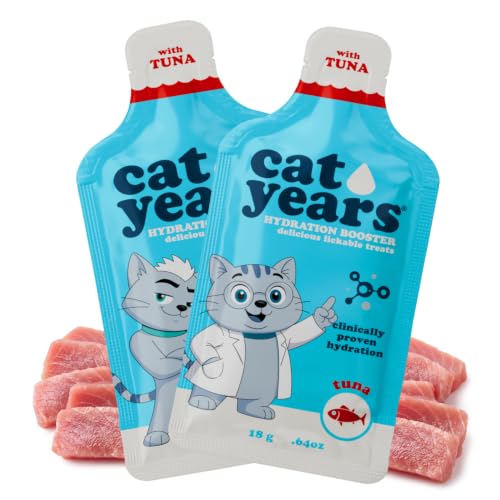
For instance, Cat Years Hydration Booster Daily Lickable Treat provides a science-backed method to boost fluid intake using wild-caught tuna and savory broth. Formulated with specific electrolytes, amino acids, and osmolytes, this daily lickable treat provides approximately 11 kcal per 18-gram serving. It contains clean ingredients like glycine, taurine, and chicken liver without added phosphorus or grains, making it an ideal supplemental food topper. Owners can use similar concepts at home by preparing a light, unseasoned tuna broth as a hydration topper over existing complete kibble.
Using tuna-infused liquids as intermittent meal toppers preserves the integrity of your cat’s primary diet while delivering crucial moisture. Supporting adequate urinary dilution helps maintain bladder comfort and promotes general renal well-being. However, supplemental broths and lickable treats should never exceed ten percent of a cat’s total daily caloric allowance. Keeping these moisture enhancers within moderate bounds prevents finicky behaviors and ensures that essential nutrients remain well balanced.
Safe Storage, Portions, and Transitioning Protocols
Proper food safety handling is critical when working with fresh or cooked seafood meals in domestic kitchens. Cooked tuna dishes lack the chemical preservatives found in commercial dry foods, meaning bacterial growth can occur swiftly at room temperature. Freshly cooked batches should be divided into individual meal portions and placed in airtight glass or BPA-free containers immediately after cooling. Portions kept in the refrigerator must be consumed within forty-eight to seventy-two hours to ensure freshness and microbial safety.
If preparing larger quantities of homemade cat food in advance, freezing offers the most dependable method for long-term preservation. Divide the prepared recipe into single-day silicone molds or freezer-safe containers, leaving slight headspace for expansion during freezing. Frozen portions retain their nutritional integrity for up to three months when maintained at zero degrees Fahrenheit. Thaw frozen meals gradually inside the refrigerator overnight, and never leave fish-based foods thawing on warm kitchen counters.
Introducing homemade tuna recipes into your cat’s routine requires a slow, structured transition over a week or more. Sudden dietary shifts frequently upset the feline digestive microbiome, leading to vomiting, loose stools, or flatulence. Begin by mixing ten to twenty percent of the new tuna preparation into your cat’s standard food, observing their digestive response carefully. Gradually increase the proportion of the new food over seven to ten days while monitoring appetite, energy, and litter box habits.
Analyzing Commercial Formulations versus Home Cooking
Deciding between preparing homemade tuna meals and purchasing commercial alternatives involves weighing nutritional reliability against culinary control. Commercial formulas undergo rigorous quality checks and nutritional profiling to ensure that every can delivers complete amino acid and mineral balances. Products like Purina Fancy Feast Grilled Tuna Feast provide pre-measured convenience and complete life-stage nutrition, reducing the risk of formulation errors. Conversely, homemade cooking grants total oversight over ingredient sourcing and eliminates unwanted processing additives.
However, homemade diets demand rigorous commitment, specialized recipe books, and continuous investment in balancing supplements. Incomplete homemade foods can create chronic health conditions that take months to diagnose and correct clinically. Many feline caregivers find an optimal middle ground by offering a reliable commercial complete food as the core diet while using simple homemade fish broths as occasional rewards. This hybrid feeding strategy satisfies your cat’s craving for fresh fish without jeopardizing their essential micronutrient intake.
When selecting commercial options to complement your home feeding strategy, look closely at the Guaranteed Analysis and ingredient lists. High-moisture recipes that specify real tuna fillets as primary ingredients deliver the authentic texture and aroma cats desire. Comparing the feeding practicality of canned selections alongside home-cooked treats allows you to make informed decisions that match your budget and lifestyle. Ultimately, maintaining nutritional consistency remains the guiding principle of any successful feline feeding program.
Important Feeding Boundaries and Veterinary Oversight
Caregivers should establish clear boundaries regarding how frequently tuna appears in their companion’s feeding bowl. Due to its intense palatability, cats can quickly develop an exclusive fixation on tuna, refusing to eat other essential proteins like poultry or beef. This behavioral habit, sometimes referred to as tuna addiction, makes dietary transitions exceptionally challenging if your cat ever requires a therapeutic diet. Limiting tuna meals to a few times per week prevents behavioral pickiness and encourages a well-rounded appetite.
Individual cats may also present underlying medical conditions that warrant customized dietary restrictions. Felines diagnosed with chronic kidney disease, for example, require strict control over dietary phosphorus levels, which are naturally elevated in pure fish meats. Similarly, cats prone to calcium oxalate or struvite bladder crystals may require tailored urinary diets rather than high-protein fish formulas. Always consult your primary veterinarian or a board-certified veterinary nutritionist before transitioning a cat with chronic health issues to a homemade food regimen.
Regular veterinary examinations and routine blood work provide objective verification that your chosen feeding strategy supports ongoing internal wellness. Monitoring body condition score, coat quality, and organ function indicators ensures that any early dietary imbalances are identified and adjusted promptly. If you observe persistent changes in water intake, litter box habits, or coat luster, re-evaluate your cat’s overall menu with a veterinary professional. Thoughtful monitoring combined with verified nutritional planning keeps your companion healthy, active, and satisfied.
Mastering the preparation of tuna for feline meals requires balancing exceptional palatability with rigorous nutritional discipline. Whether you choose to formulate complete homemade meals using verified supplement premixes or serve gentle poached tuna as a hydrating topper over commercial wet food, nutritional completeness must always remain the priority. Taking the time to cook fish thoroughly, balance essential minerals, and consult veterinary guidance ensures your cat enjoys seafood safely for years to come.




Write Your Review
No reviews yet. Be the first to share your experience!